

Fiberglass Insulation for Lubbock Homes: What You Need to Know in 2026
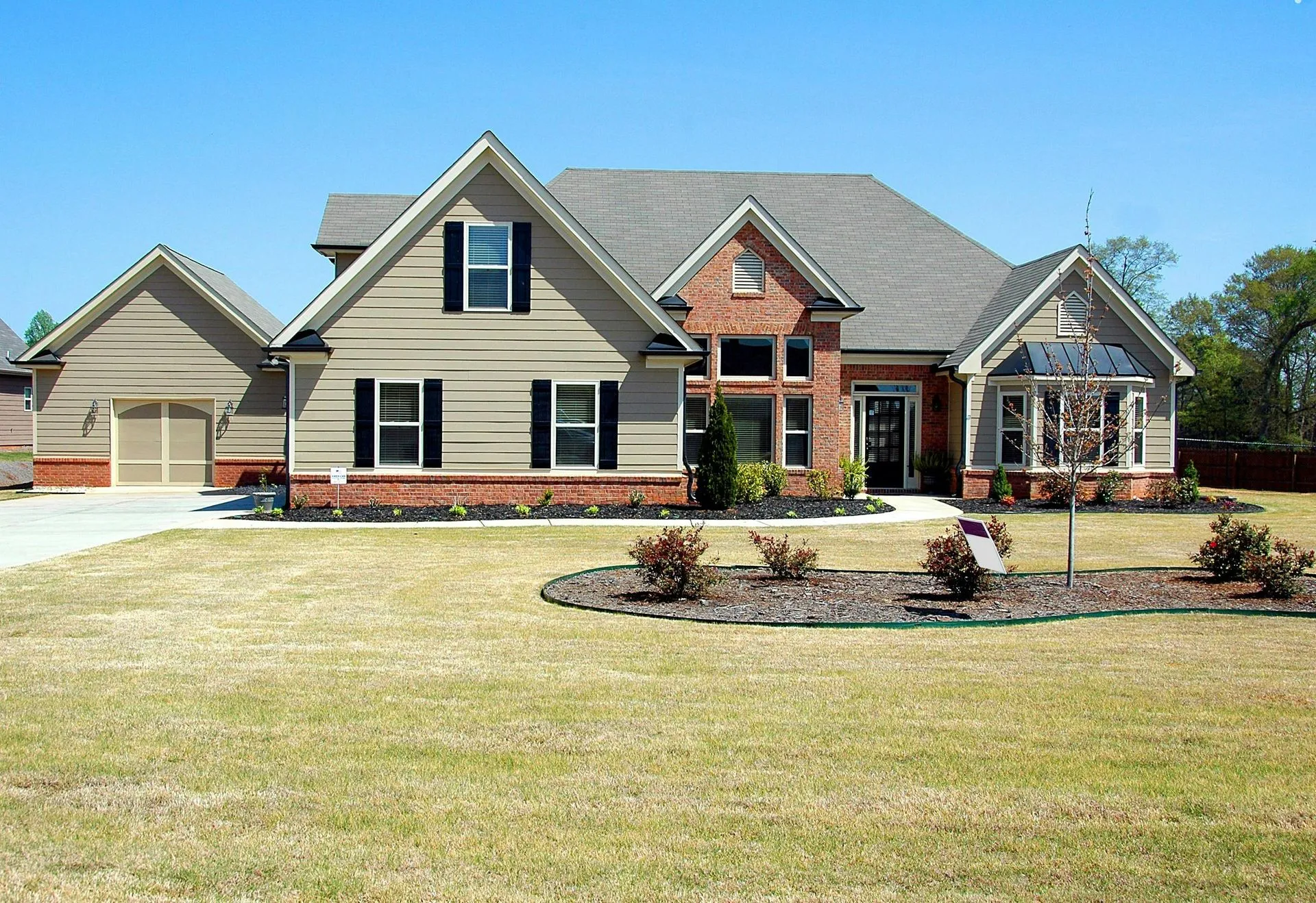
Fiberglass insulation is one of the most affordable and proven ways to improve comfort in a Lubbock home. When it is installed correctly, it slows heat moving through your attic, walls, and floors so your HVAC system does not have to fight the West Texas weather alone.
The weather can change quickly. Your home may face intense summer heat for weeks, followed months later by a fast-moving cold front that sends temperatures sharply downward. Wind and fine West Texas dust add another challenge, especially when gaps in your home allow outdoor air to move inside.
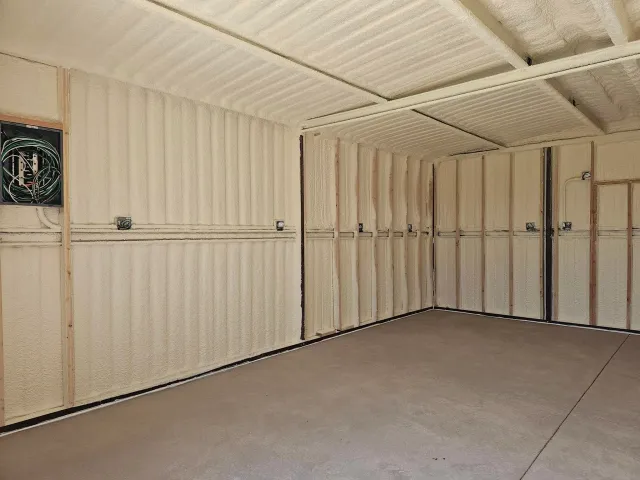
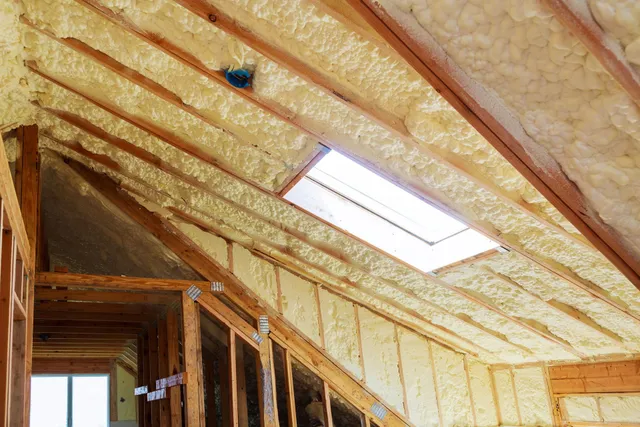
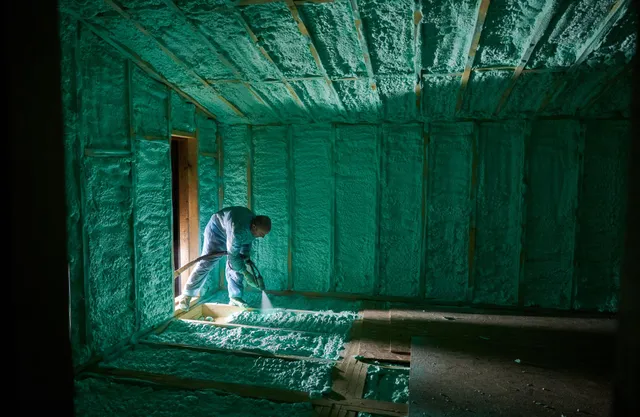
Duralock Spray Foam serves homeowners in Lubbock, Plainview, and nearby West Texas communities. We install fiberglass and spray foam insulation in new and existing properties, helping you choose an approach that fits your home rather than pushing a one-size-fits-all solution.
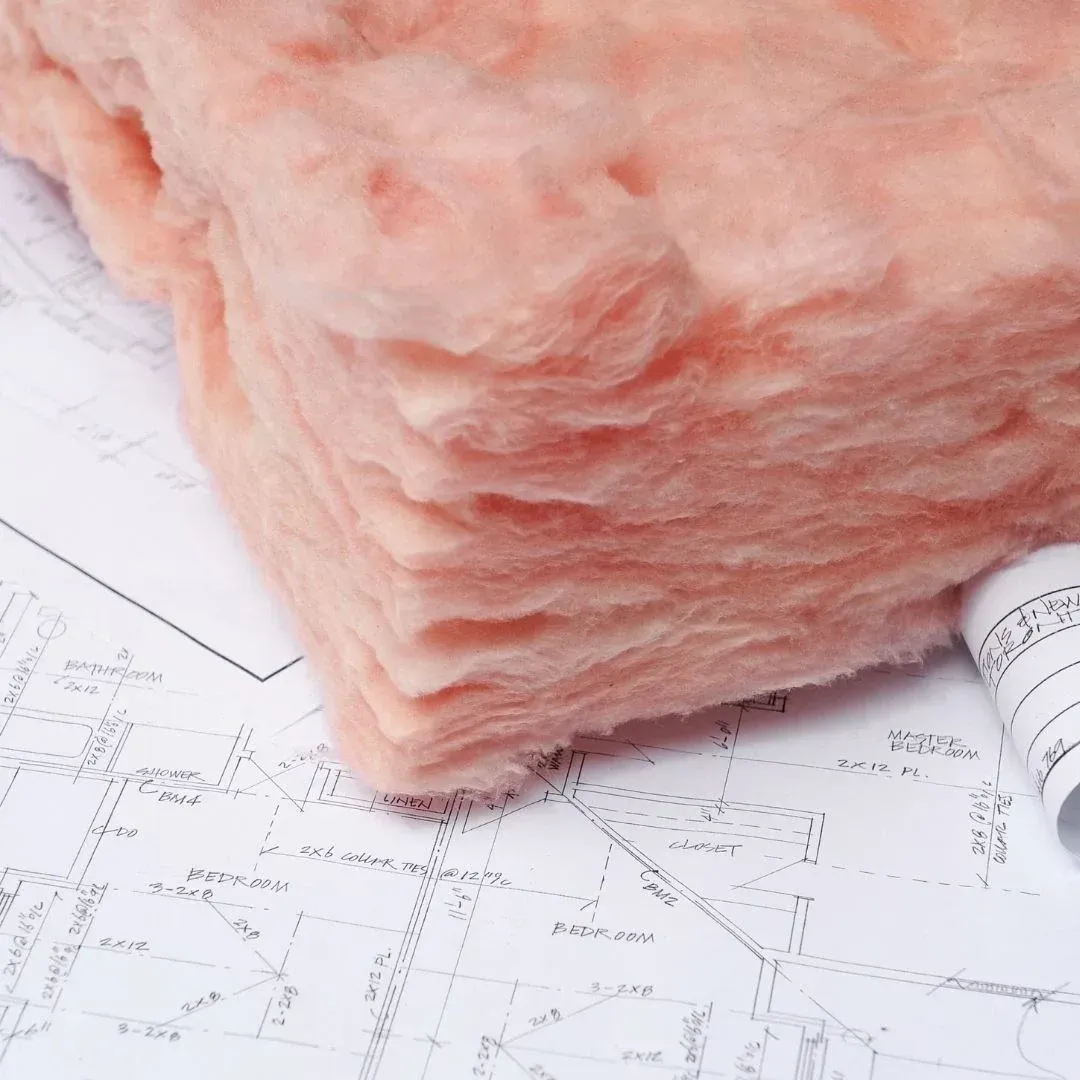
Why Lubbock Homes Need Effective Insulation
Your insulation helps slow summer heat from entering your home and indoor warmth from escaping during cold weather. In Lubbock, it must perform through strong sunshine, temperature swings, wind, dust, and freezing conditions.
According to the International Code Council’s U.S. climate-zone classifications, Lubbock County is in Climate Zone 3B, which is classified as a warm, dry climate. This designation helps guide appropriate insulation and building-envelope recommendations for local homes.
Insulation may need attention when you notice:
- Bedrooms that stay hot after sunset
- Cold ceilings or floors during winter
- Rooms that never match the thermostat setting
- Heating or cooling equipment running for long periods
- Drafts near attic hatches, outlets, or ceiling fixtures
- Dust collecting near gaps and penetrations
- Higher energy bills without a clear explanation
Fiberglass can address heat transfer through ceilings, walls, and floors. However, drafts and dust may also require air sealing because insulation alone does not close every opening in your home.
How Fiberglass Insulation Works
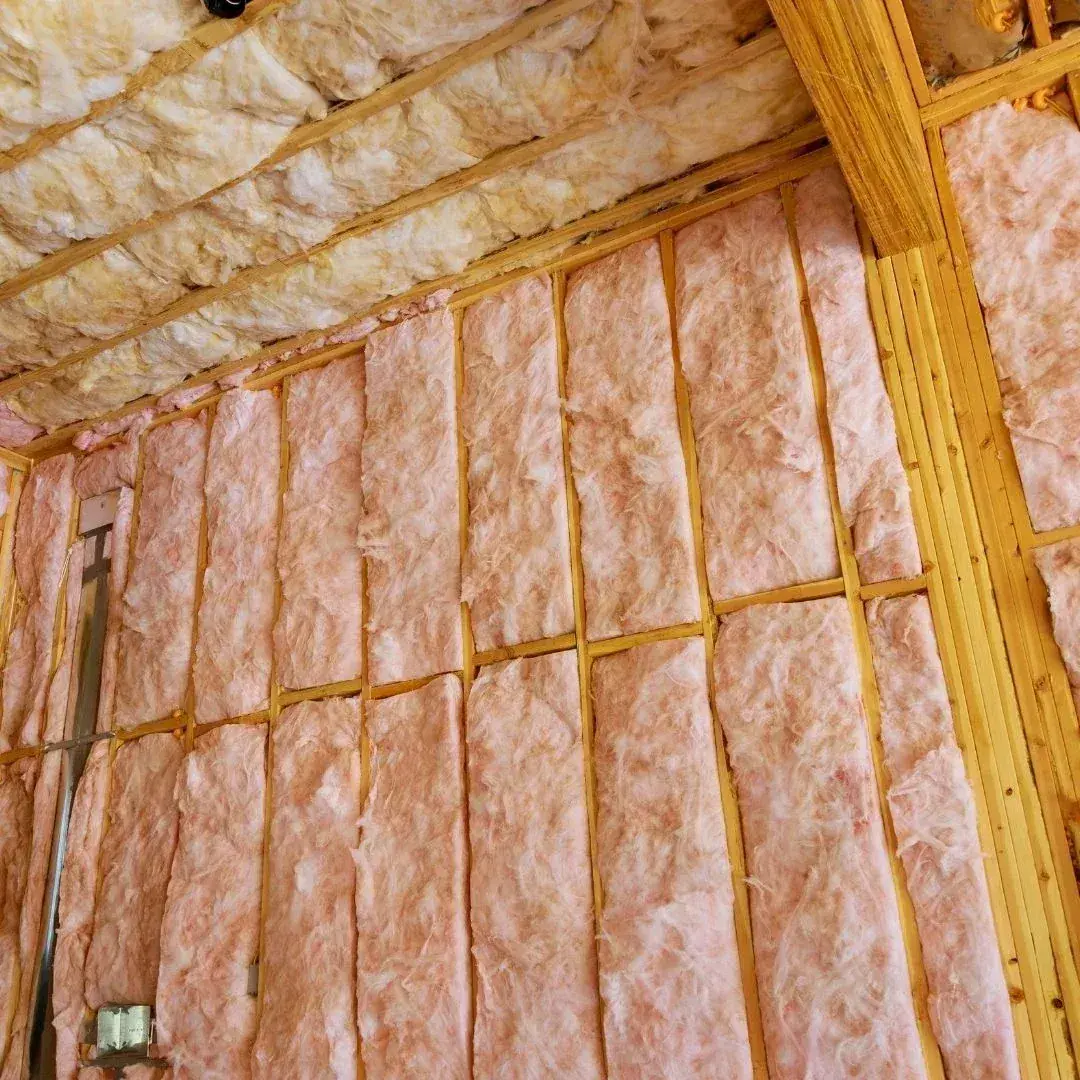
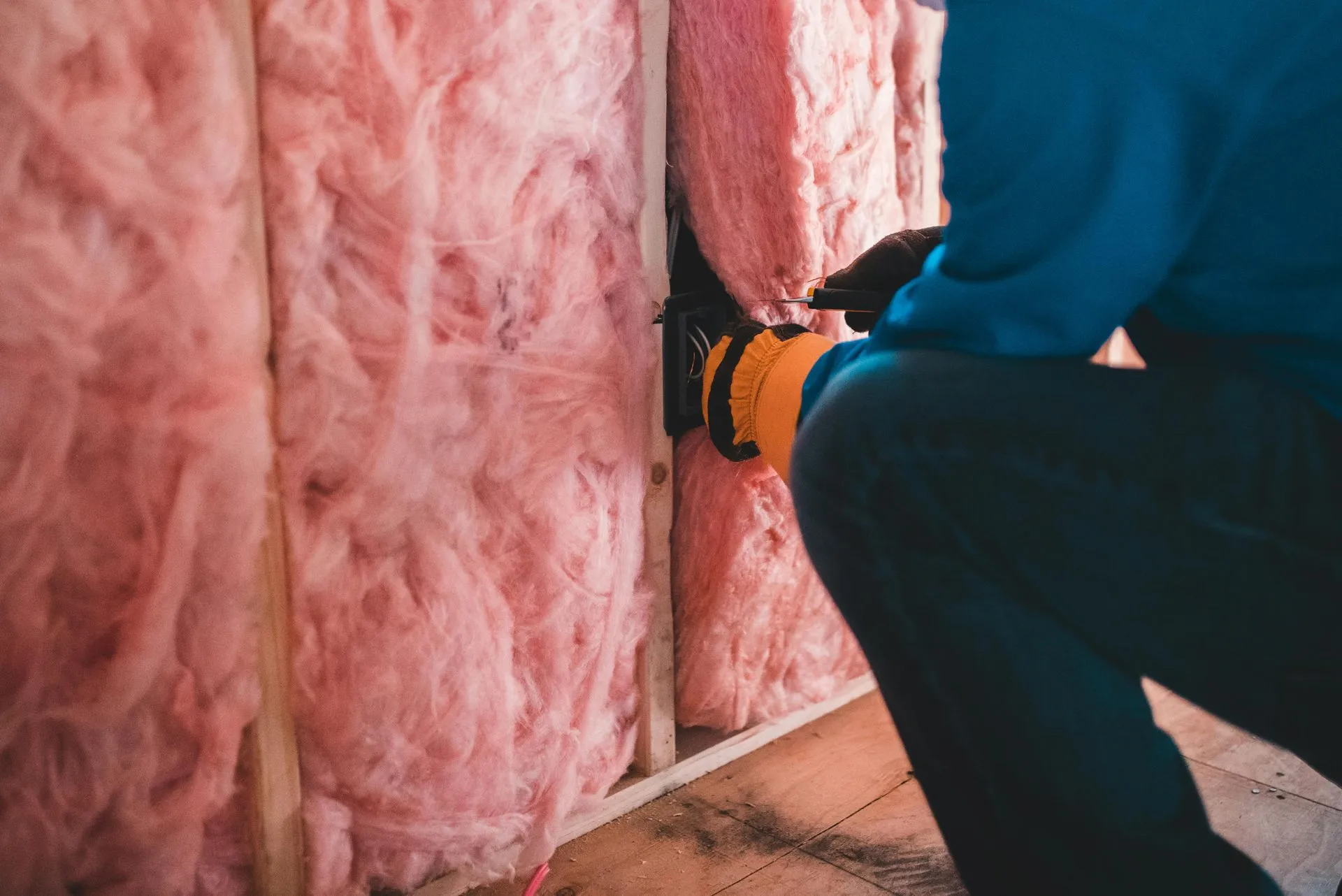
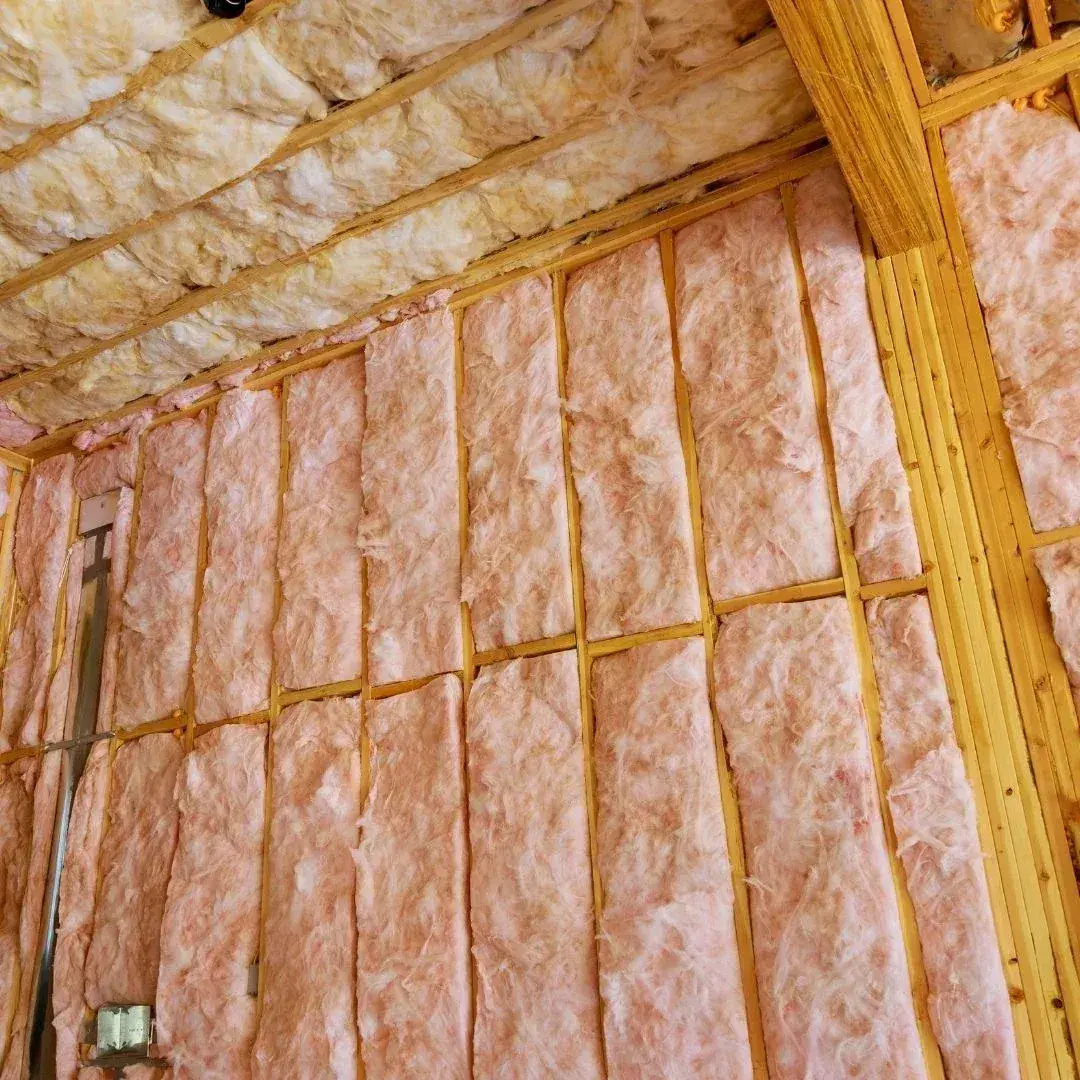
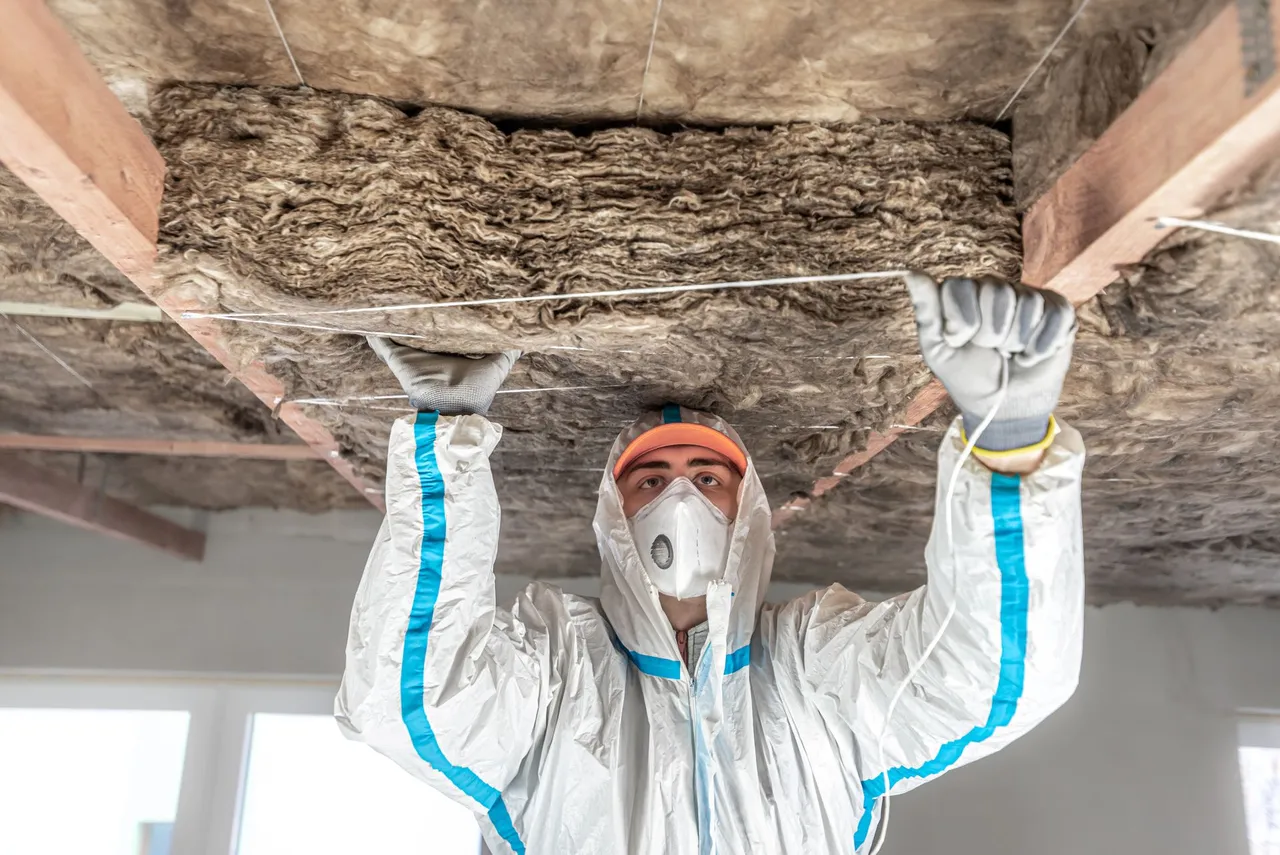
Fiberglass insulation works by trapping small pockets of air between fine glass fibers. Those air pockets resist heat flow, helping your living space stay cooler in summer and warmer when a West Texas cold front moves through.
Its performance is measured using R-value. A higher R-value means greater resistance to heat flow, but the listed value assumes the fiberglass is installed at the correct thickness and density.
Fiberglass may perform below its rated level when it is:
- Crushed behind wiring or plumbing
- Folded or squeezed into a cavity
- Installed with visible gaps
- Unevenly distributed across an attic
- Displaced by pests or repair work
- Wet from a roof or plumbing leak
- Missing around attic edges or penetrations
This is why installation quality matters as much as the product itself. Proper placement helps prevent gaps, voids, and compression that weaken the thermal barrier. ENERGY STAR’s guidance on a complete thermal enclosure also explains why insulation and air barriers must work together to provide consistent performance.
You can learn more about how professional insulation installation reduces energy bills and why careful coverage matters.
Why Fiberglass Insulation Does Not Stop Every Draft
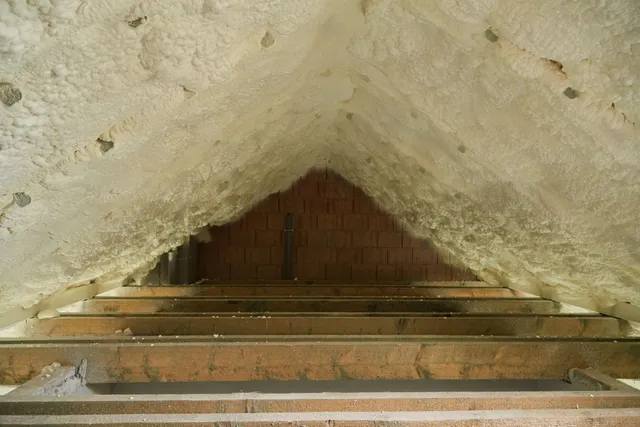
Standard fiberglass insulation slows conducted heat, but it does not create a complete air barrier. Outdoor air can still enter through cracks around wiring, plumbing lines, top plates, attic hatches, recessed fixtures, and other openings.
That moving air may carry dust into your home and create uncomfortable drafts. You can therefore have plenty of fiberglass in the attic and still feel cold air moving through the house during a norther.
A more complete improvement usually follows these steps:
- Identify major air leaks.
- Seal suitable gaps and penetrations.
- Correct moisture or ventilation problems.
- Install fiberglass evenly to the recommended level.
- Keep attic vents and required safety clearances open.
The ENERGY STAR methodology for estimated energy savings models average heating and cooling savings of about 14% for a typical Climate Zone 3 home when cost-effective air sealing and insulation improvements are completed together.
This is not a promise of savings from fiberglass alone. It is a modeled regional average based on improvements to a typical existing home, and your actual results will depend on your home, HVAC equipment, existing insulation, air leakage, energy use, and utility rates.
Where Fiberglass Insulation Works Best
Fiberglass performs best in areas where it can be
installed evenly and protected from moisture, pests, and disturbance. The right product depends on the shape of the space and whether the framing is open or already covered.
| Area of the Home | Common Fiberglass Option | Why It Works |
|---|---|---|
| Attic floor | Blown-in or loose-fill fiberglass | Covers broad areas and fits around framing and obstacles |
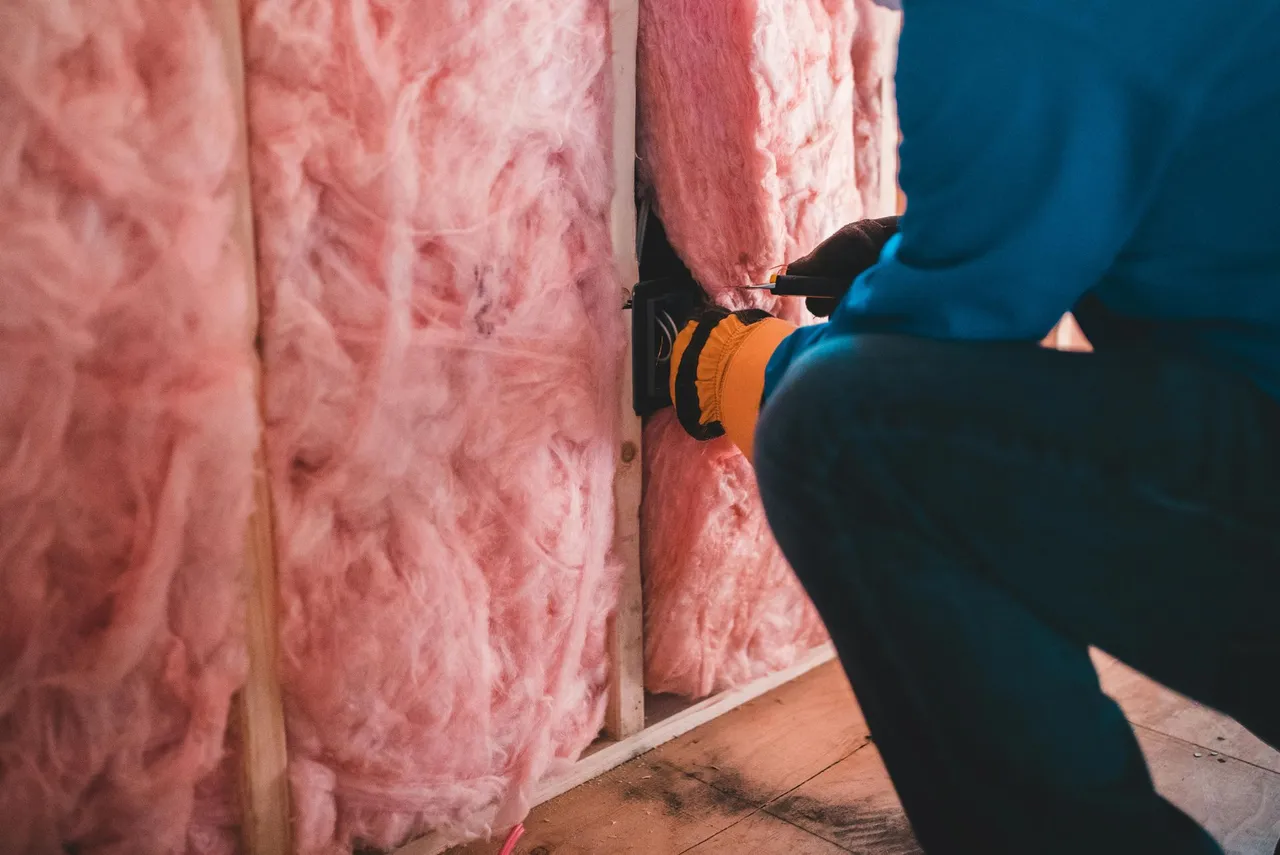
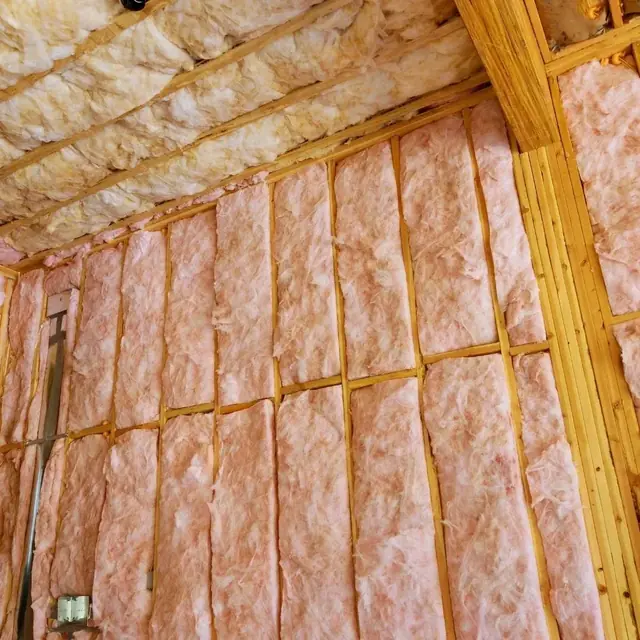
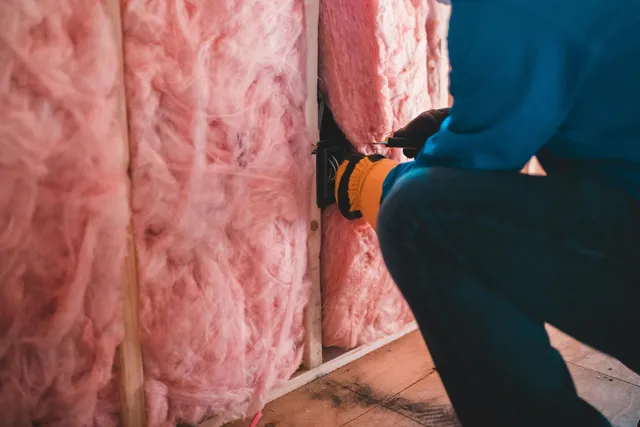
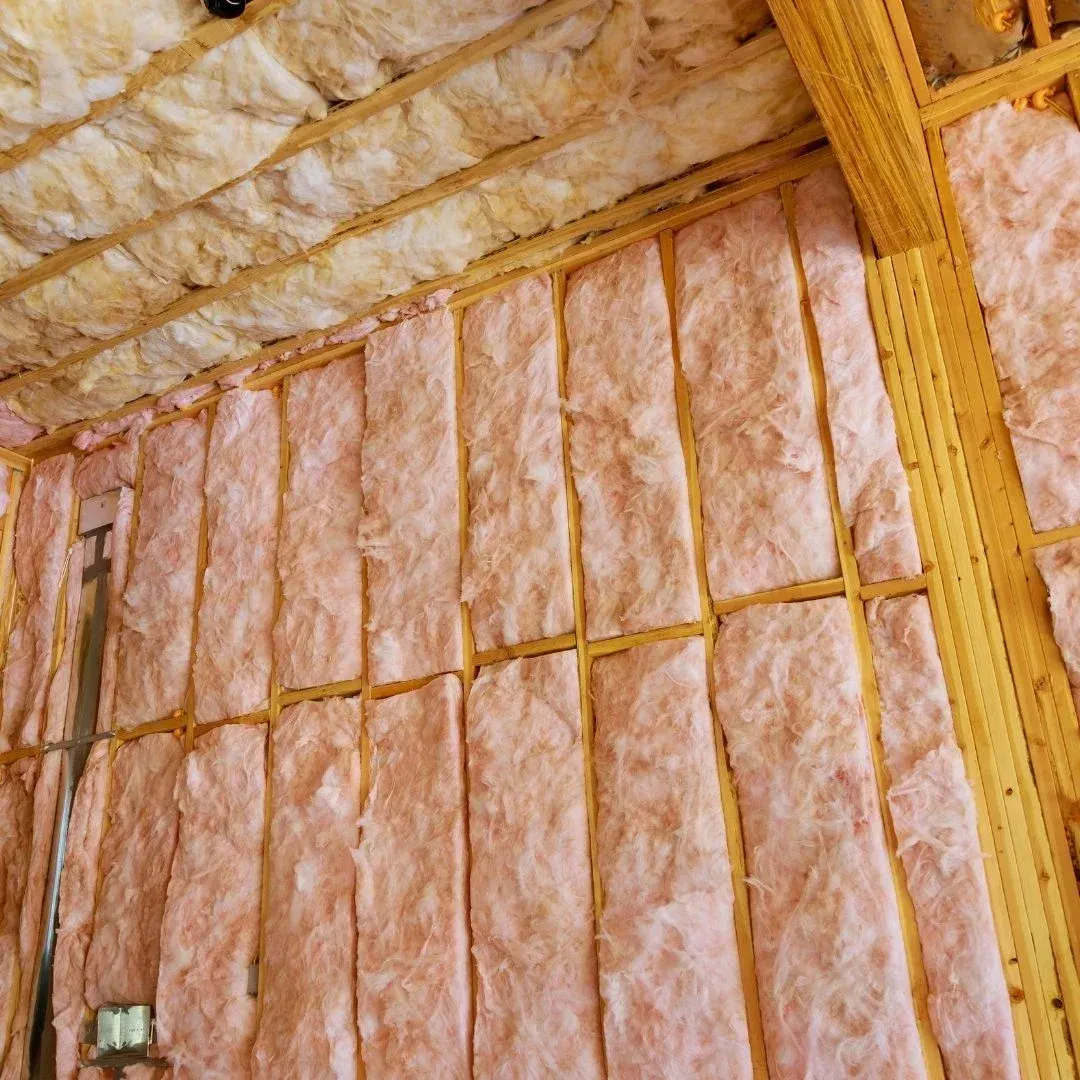
| Open exterior walls | Fiberglass batts | Fits standard stud cavities during construction or remodeling |
| Floors over unconditioned areas | Fiberglass batts | Helps slow heat movement through the floor |
| Accessible additions | Batts or blown-in fiberglass | Provides a practical upgrade while cavities are open |
| Existing insulated attic | Additional loose-fill, when suitable | Can increase the total R-value without removing usable material |
Blown-in fiberglass is often a practical attic choice because it fills around pipes, wiring, framing, and other irregular features. Batts are easier to use in clean, consistently spaced wall or floor cavities.
How Much Attic Insulation Does a Lubbock Home Need?
The appropriate amount of attic insulation depends on what is already installed and how your home is constructed. You should not choose an insulation depth only by looking at a neighbor’s attic or relying on a general rule of thumb.
The ENERGY STAR insulation R-value recommendations for existing wood-framed homes in Climate Zone 3 include:
- R-49 for an attic with no existing insulation
- Increasing an attic with approximately three to four inches of existing insulation to about R-38
- Approximately R-19 for a floor over an unconditioned space
These are general retrofit recommendations based on the 2021 International Energy Conservation Code. Local code requirements, your home’s construction, and the condition of the existing material must also be considered.
An insulation assessment should evaluate:
- The type of existing insulation
- Its average depth and estimated R-value
- Bare or uneven areas
- Compression or settling
- Moisture damage
- Pest activity or contamination
- Air leaks beneath the insulation
- Attic ductwork and equipment
- Access and ventilation conditions
Do not assume an attic is adequately protected simply because the insulation looks deep near the access opening. Some attics have high piles in the center and thin coverage near the eaves, walkways, or outer rooms.
Signs Your Existing Fiberglass Needs Attention
Fiberglass does not have one fixed expiration date. Dry and undisturbed material may remain useful for decades, while insulation damaged by leaks, pests, compression, or construction work may lose performance much sooner.
Schedule an inspection when you see:
- Insulation at or below the top of the attic joists
- Bare areas or inconsistent coverage
- Batts that are crushed, folded, or pulled away from framing
- Water stains or evidence of a roof leak
- Rodent nests, droppings, or disturbed material
- Major comfort differences between rooms
- Drafts near ceiling fixtures or the attic entrance
- Insulation disturbed during HVAC, electrical, or plumbing work
- Energy use that increases without an obvious cause
Moisture and pest problems should be corrected before new insulation is added. Covering damaged or contaminated material may hide the issue without solving it.
Can You Add Fiberglass Over Existing Insulation?
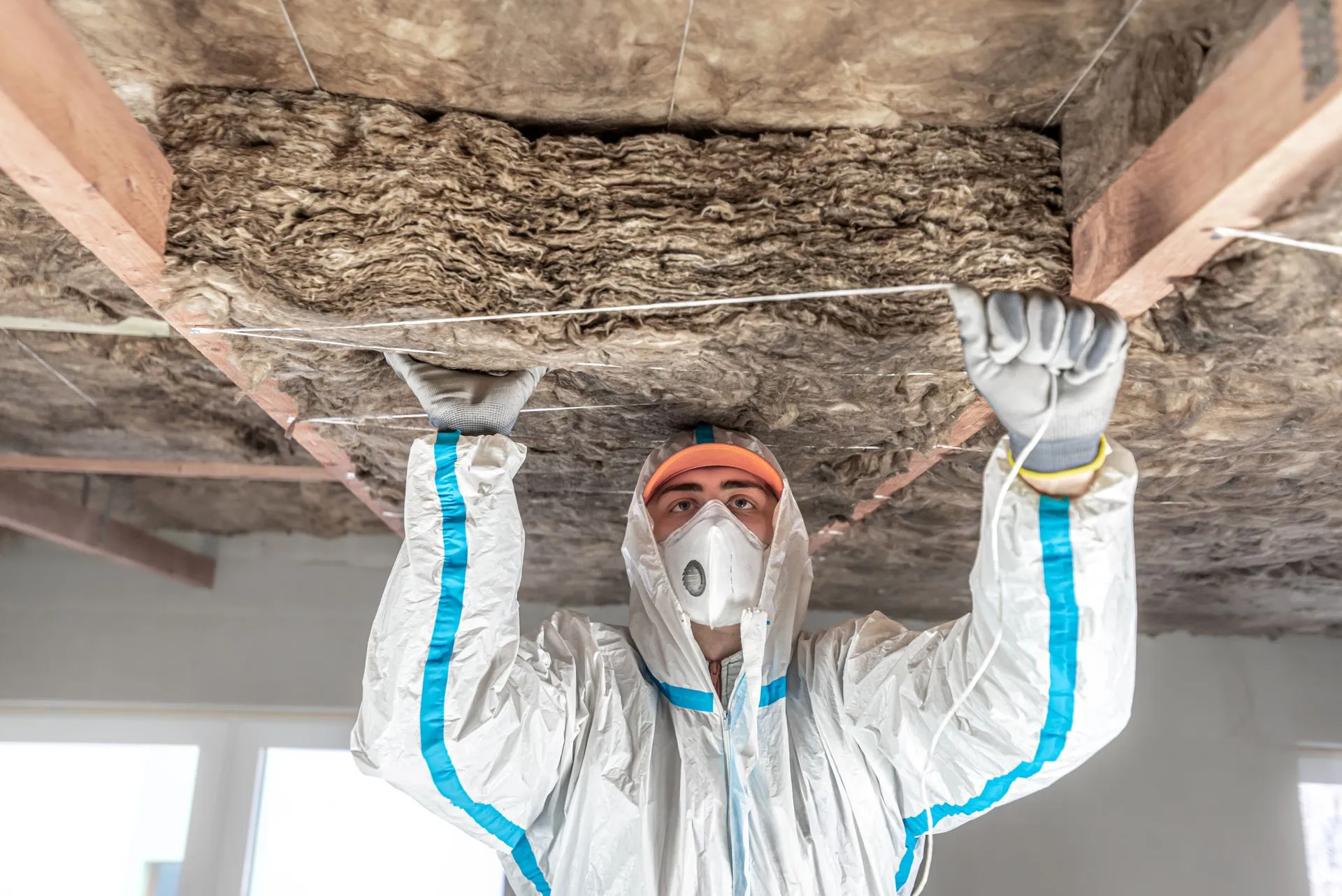
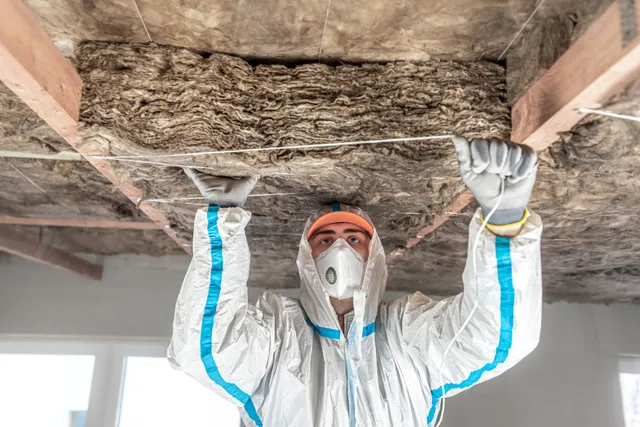
You can often add blown-in fiberglass over existing attic insulation when the original material is dry, clean, and still positioned correctly. This can raise the total R-value without the expense of removing material that is still useful.
The ENERGY STAR guide to adding attic insulation explains that loose-fill insulation can often be installed over existing fiberglass batts. The new insulation also does not necessarily have to be the same type as the original material.
Removal may be the better option when the old insulation has:
- Widespread water damage
- Heavy pest contamination
- Persistent odors
- Severe compression
- Construction debris throughout the material
- Large missing or poorly installed areas
- Electrical or safety concerns that require full access
A professional inspection can determine whether adding insulation, replacing it, or using a hybrid approach makes the most sense.
Fiberglass, Spray Foam, or a Hybrid System?
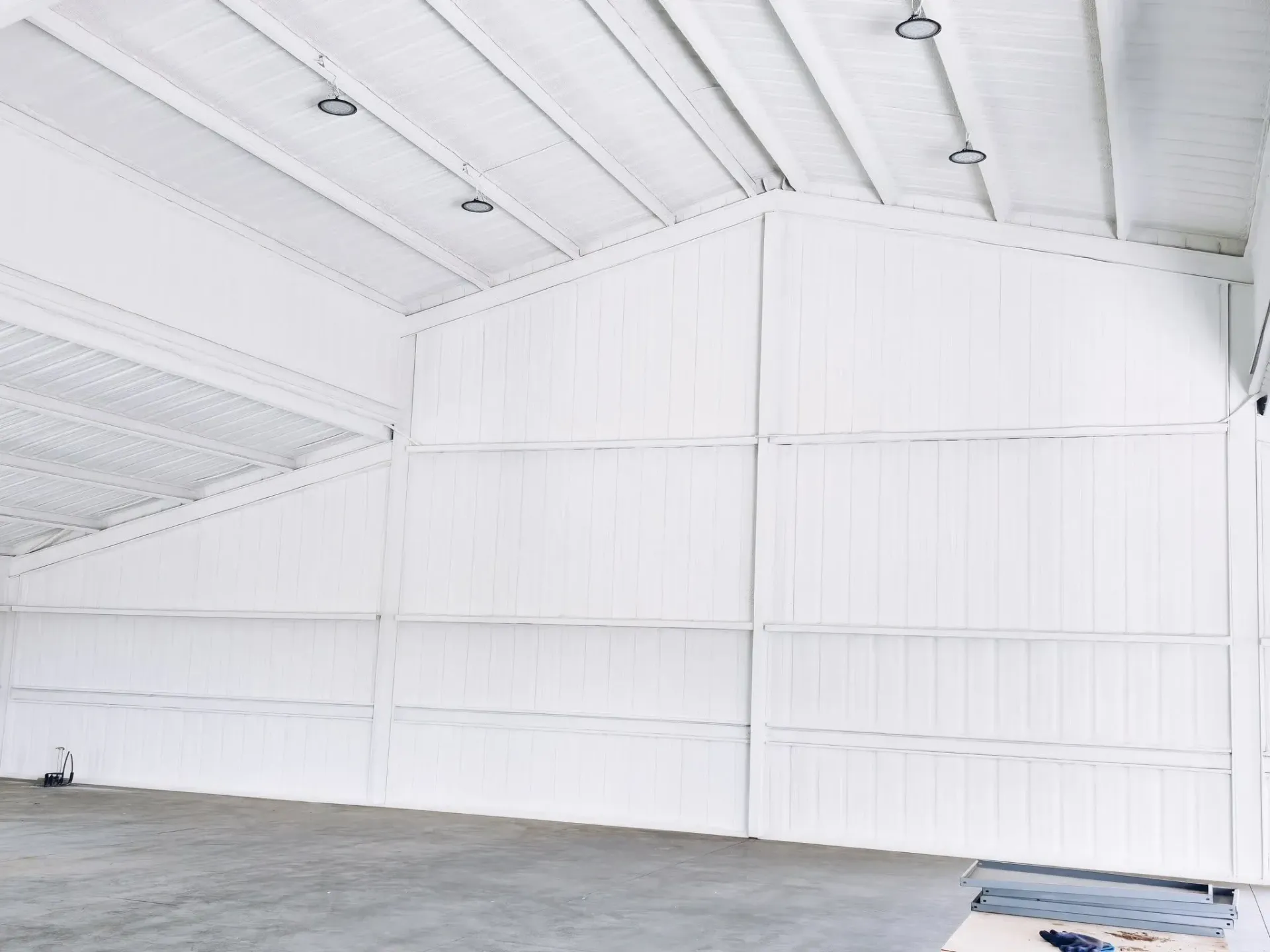
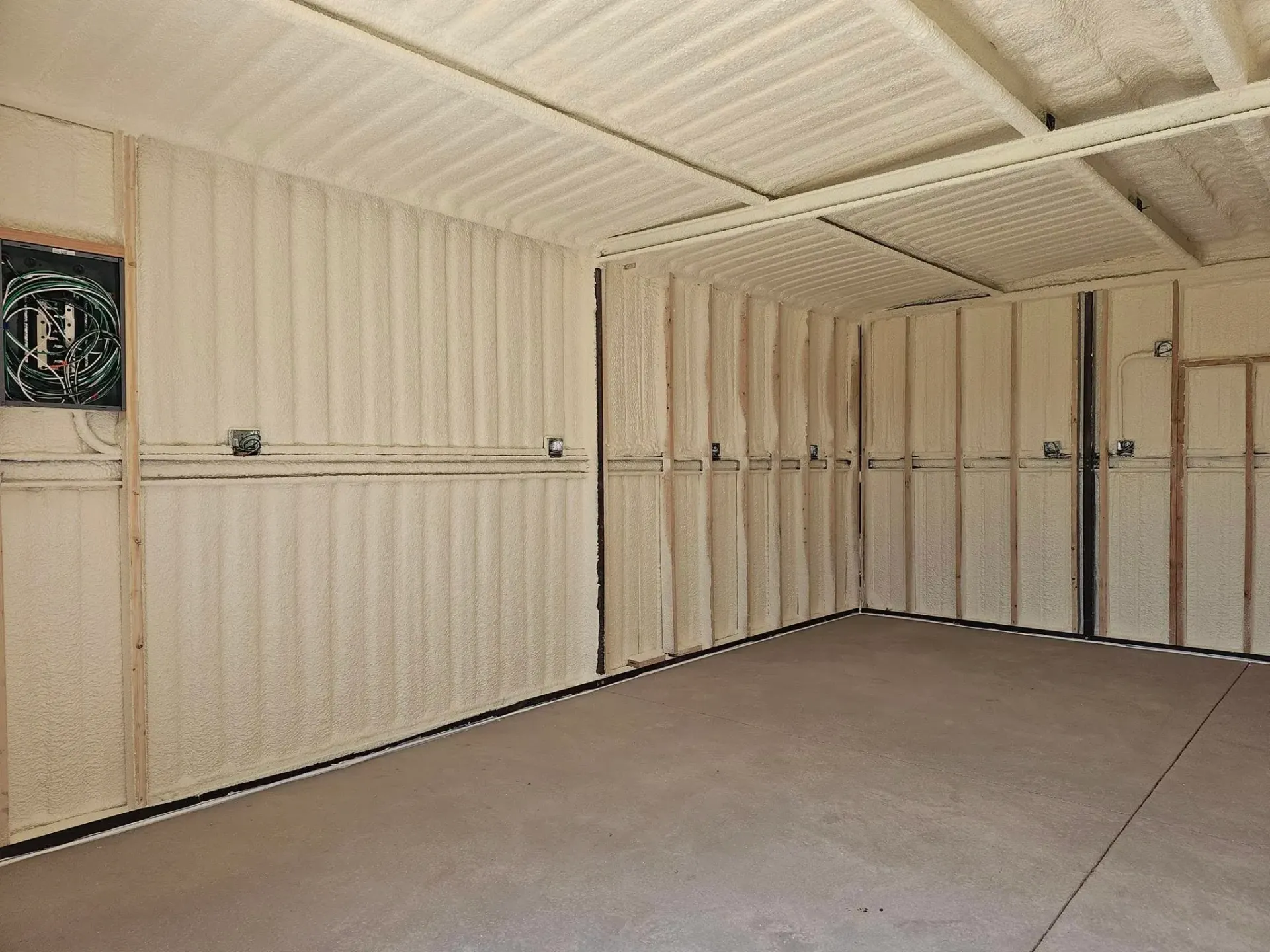
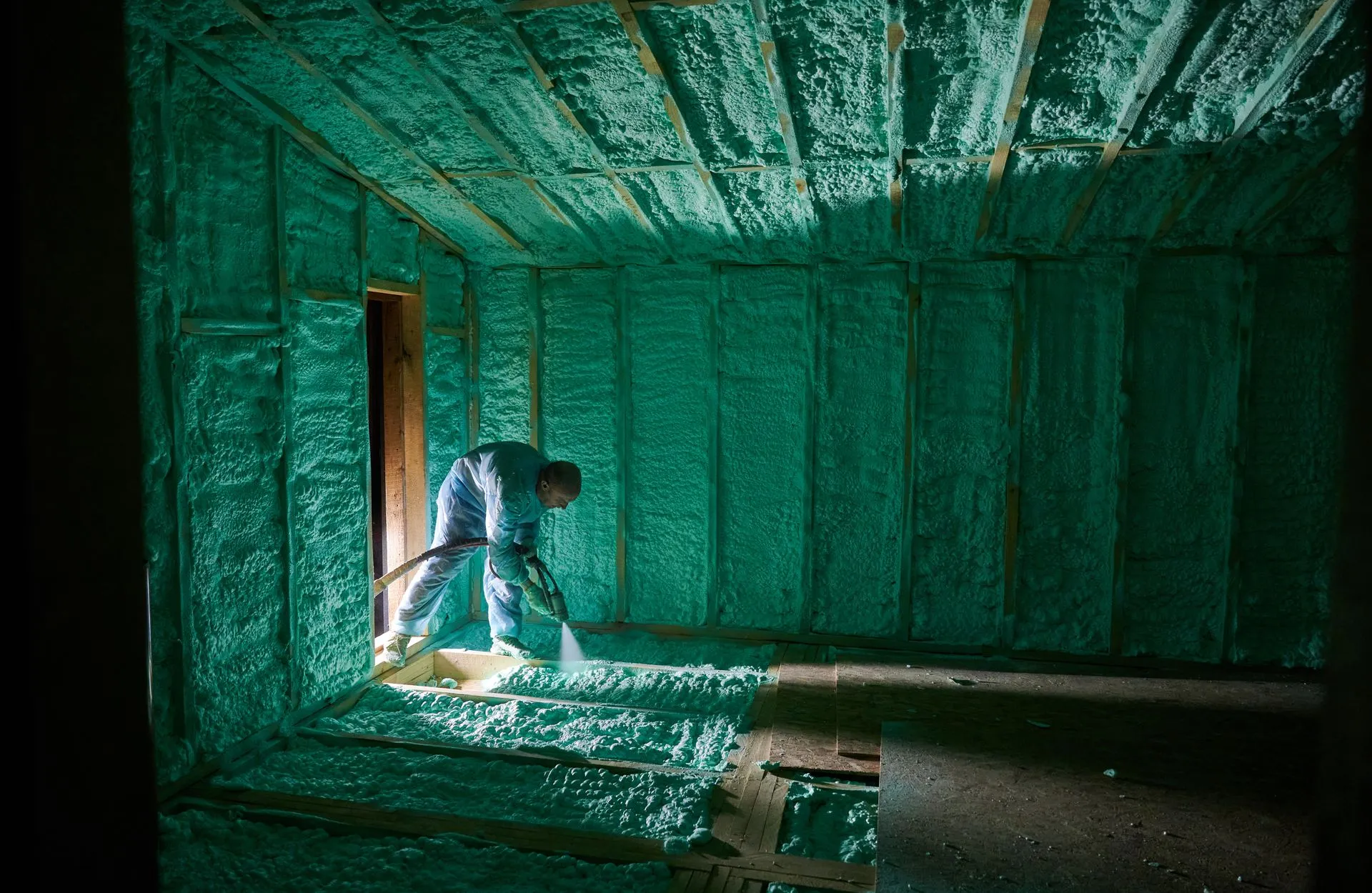
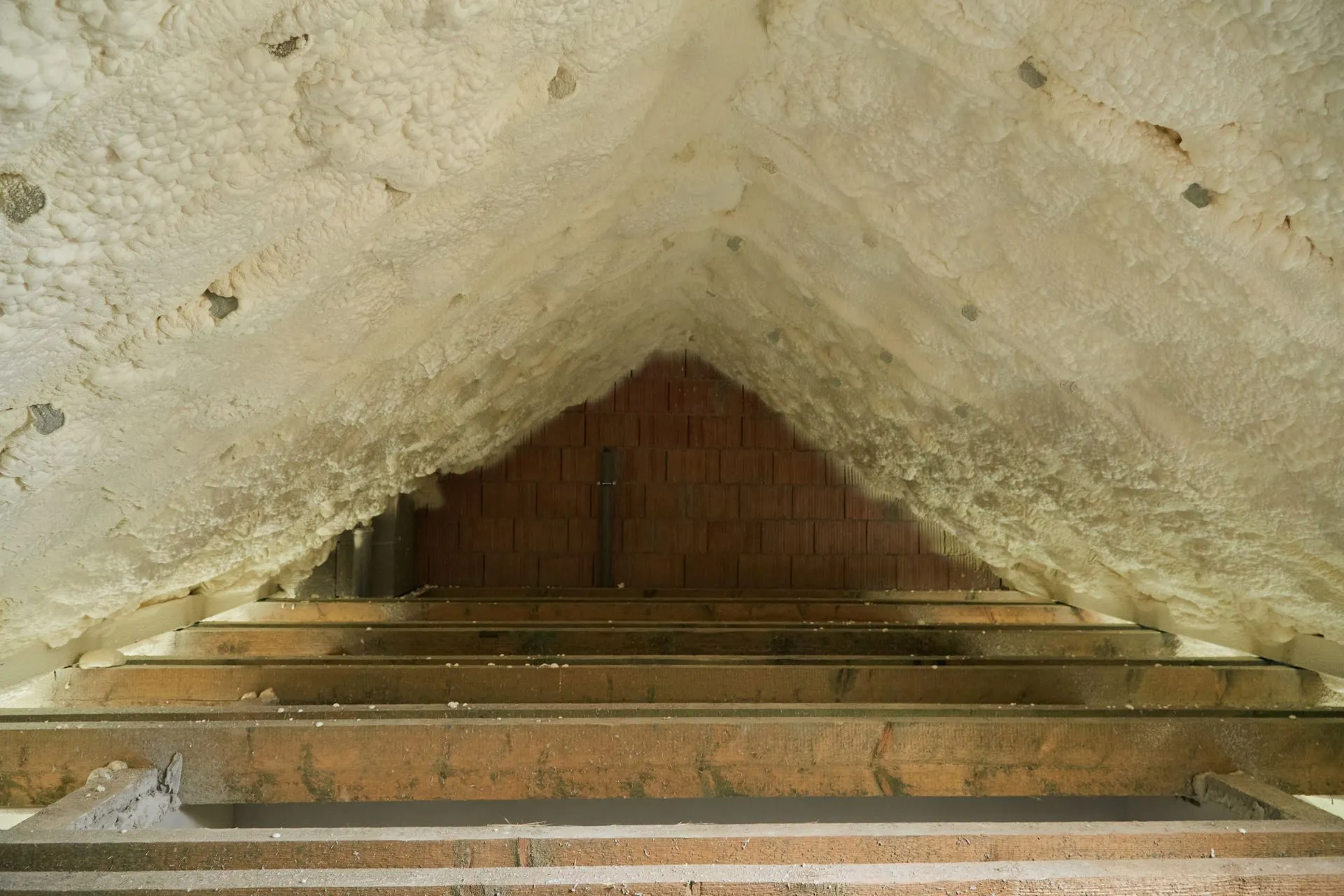
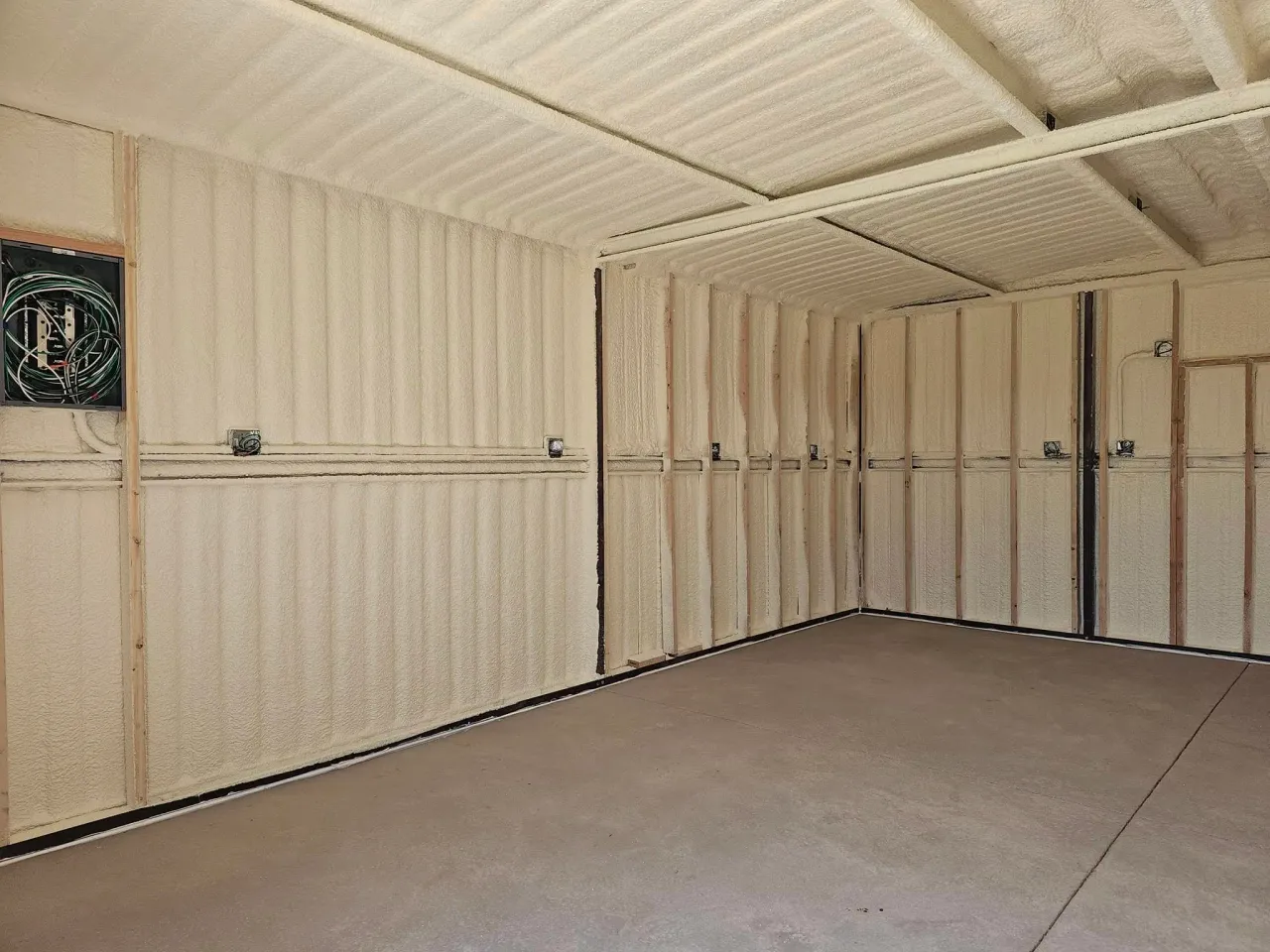
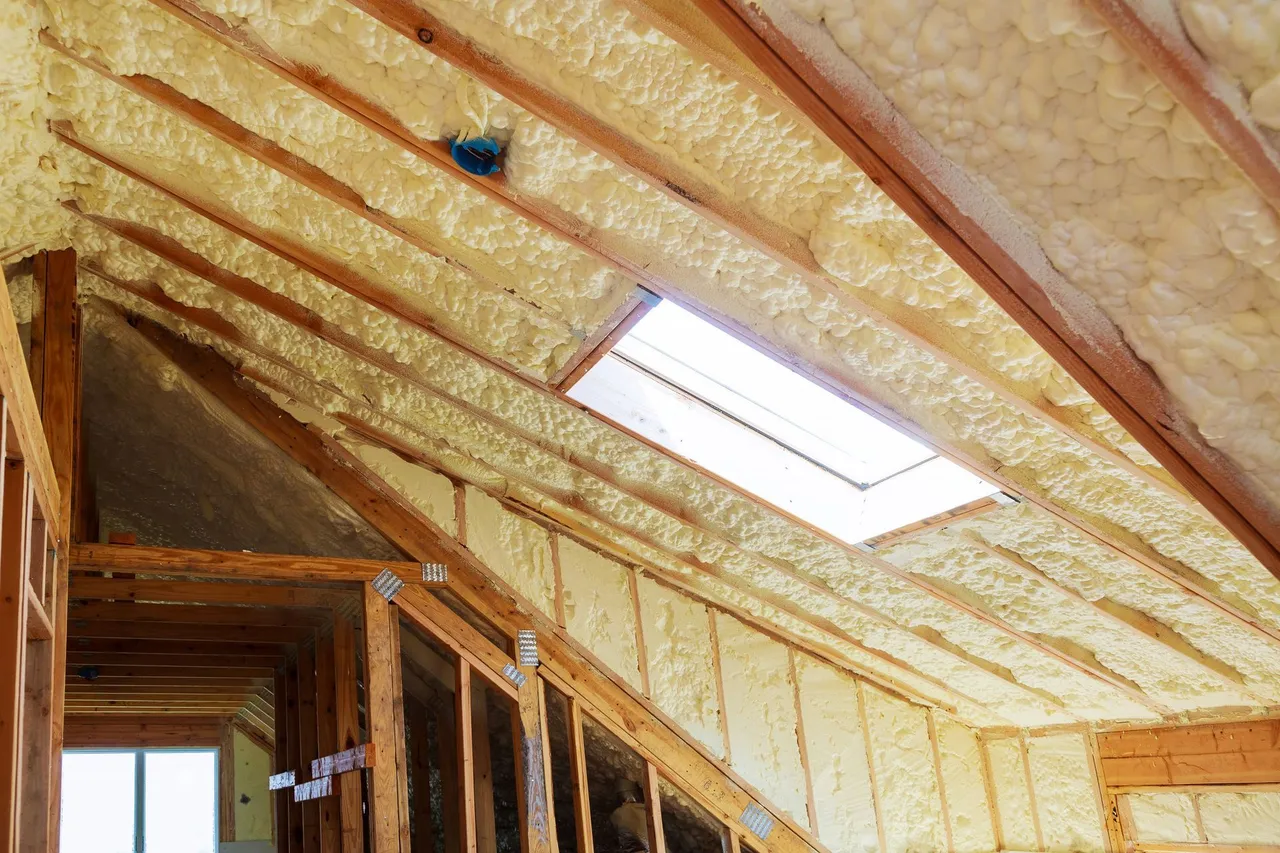
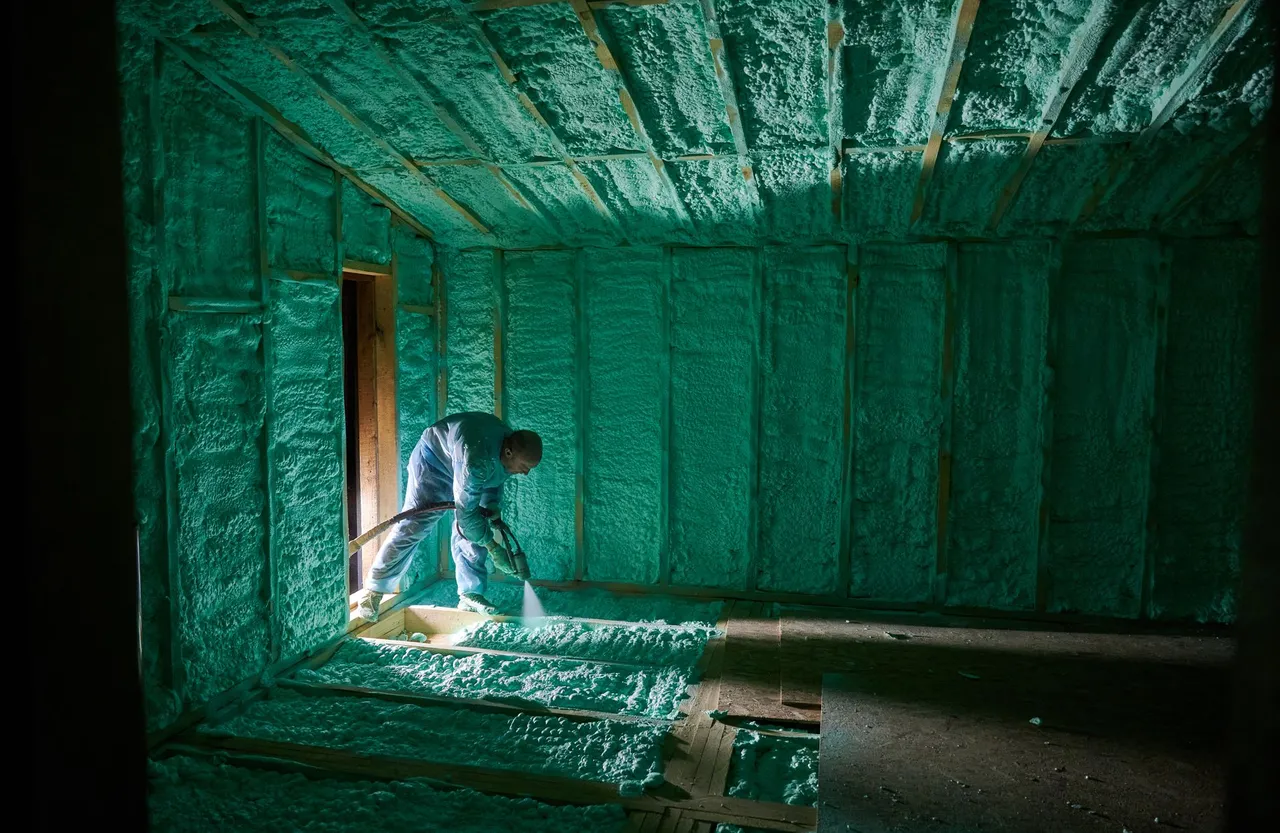
Fiberglass is generally the more budget-friendly option for broad attic floors and standard wall cavities. Spray foam usually costs more, but it can insulate and limit air movement in one application when installed correctly.
| Homeowner Priority | Fiberglass | Spray Foam |
|---|---|---|
| Lower initial cost | Strong advantage | Higher initial cost |
| Air sealing | Requires separate sealing | Provides strong air-sealing performance |
| Standard open wall cavities | Good fit | Good fit |
| Broad attic floors | Often cost-effective | Usually more expensive |
| Irregular gaps and penetrations | Requires careful fitting and sealing | Expands into many irregular spaces |
| Future access or removal | Generally easier | More difficult |
| Sound reduction | Can help | Performance varies by product and assembly |
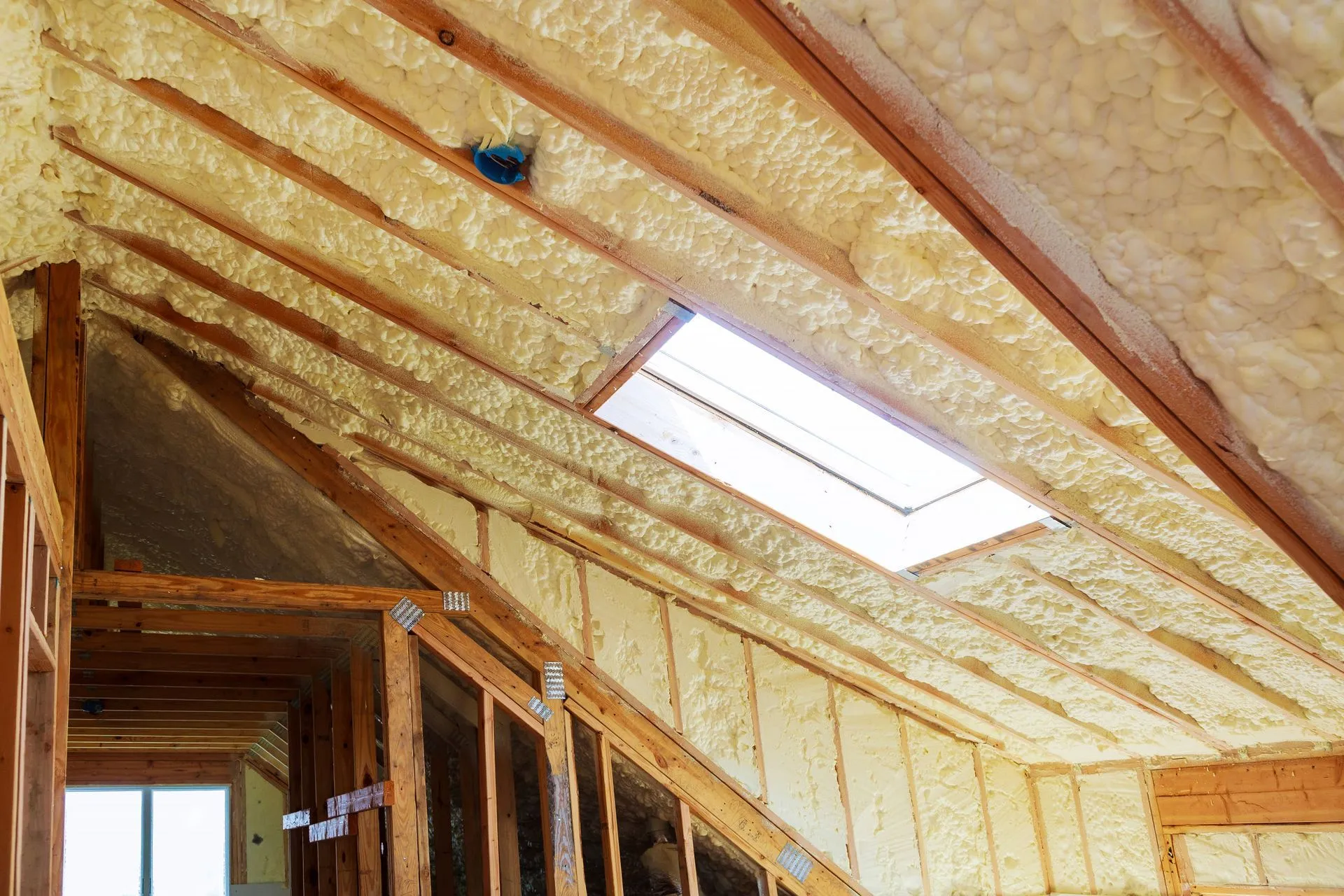
A hybrid system may use spray foam or another approved sealant at important leakage points, with blown-in fiberglass covering the broad attic floor. This approach can provide better air control without requiring spray foam throughout the entire attic.
However, a hybrid system must account for attic ventilation, moisture management, combustion safety, and HVAC equipment. It should be designed for the home rather than assembled from a generic checklist.
Our fiberglass versus spray foam comparison explains the main differences. You can also review how to choose the right insulation type for your Lubbock home.
What Affects Fiberglass Insulation Cost?
Fiberglass insulation cost depends on the size of the project, required preparation, access, and target R-value. A simple attic top-up will usually cost less than a project involving removal, contamination, or extensive air sealing.
Your estimate may be affected by:
- The total area being insulated
- Current insulation depth
- Required final R-value
- Batt versus blown-in fiberglass
- Attic height and accessibility
- Insulation removal and disposal
- Pest or moisture contamination
- Air-sealing requirements
- Ventilation corrections
- Required barriers around fixtures or equipment
- The amount of ductwork and framing in the area
A local inspection is more dependable than a generic per-square-foot price because it identifies the preparation required for the new insulation to perform properly.
Explore Duralock’s fiberglass insulation services to learn more about professional installation in Lubbock and Plainview.
Are Insulation Incentives Available in 2026?
The former federal Energy Efficient Home Improvement Credit under Section 25C is not available for insulation property placed in service after December 31, 2025. The IRS guidance on the Section 25C termination date confirms that homeowners should not claim the previous credit for a new insulation project completed in 2026.
Texas is still developing its HOMES and HEAR rebate programs. According to the Texas State Energy Conservation Office’s current rebate status, the programs have not launched, applications are not open, and rebates are not currently available.
The state also warns that there are no approved contractors for the programs yet. Do not sign an agreement based on a promised Texas government rebate unless you first verify the program’s status through the State Energy Conservation Office.
You can also check with your electric or gas provider for local efficiency programs and speak with a qualified tax professional about your circumstances.
Fiberglass Insulation Upgrade Checklist
Before approving your insulation project, make sure the contractor addresses the entire work area rather than simply adding more material.
- Inspect the existing insulation. Identify bare, compressed, wet, or contaminated areas.
- Estimate its current R-value. Depth is useful, but condition and coverage also matter.
- Locate air leaks. Check attic hatches, wiring, plumbing, wall plates, and mechanical chases.
- Repair moisture problems. Fix roof leaks, plumbing issues, or condensation before adding insulation.
- Select the right product. Use batts in suitable open cavities and blown-in fiberglass where even coverage is needed.
- Protect ventilation. Keep soffit vents and other required openings clear.
- Maintain safety clearances. Protect heat-producing fixtures, flues, and other equipment as required.
- Verify the finished depth. Ask how consistent coverage and final R-value will be documented.
- Keep project records. Save estimates, product information, warranties, and before-and-after photos.
FAQs About Fiberglass Insulation Installation in 2026
Is fiberglass insulation a good choice for Lubbock homes?
Fiberglass can remain useful for decades when it stays dry and undisturbed. Its condition matters more than age alone, so inspect it after roof leaks, pest activity, remodeling, or major HVAC and electrical work.
Does fiberglass insulation keep West Texas dust outside?
Often, yes. New loose-fill fiberglass may be added when the existing material is dry, clean, and properly positioned. Wet, contaminated, badly compressed, or heavily disturbed insulation may need to be removed first.
Is blown-in fiberglass better than batts?
Neither option is best everywhere. Blown-in fiberglass is often useful across attic floors and around irregular framing, while batts work well in clean, open cavities with standard spacing.
Can fiberglass be added over old attic insulation?
Yes. Common retrofit areas include attics, crawl spaces, rim joists, accessible walls, garages, additions, and workshops. An inspection will determine which areas are suitable and whether damaged insulation must be removed.
How long does fiberglass insulation last?
Spray foam requires careful controls while it is being applied. Property owners should use trained installers and follow product-specific evacuation, ventilation, and re-entry instructions rather than relying on a universal waiting period.
Schedule a Fiberglass Insulation Assessment
You do not have to keep guessing why certain rooms stay hot, cold, dusty, or difficult to control. We can inspect your insulation, show you where it is falling short, and recommend an upgrade suited to your home and budget.
Call
Duralock Spray Foam at
(806) 685-0609 to schedule an
insulation assessment in Lubbock, Plainview, or a nearby West Texas community.