

How Spray Foam Insulation Addresses West Texas’ Toughest Building Challenges
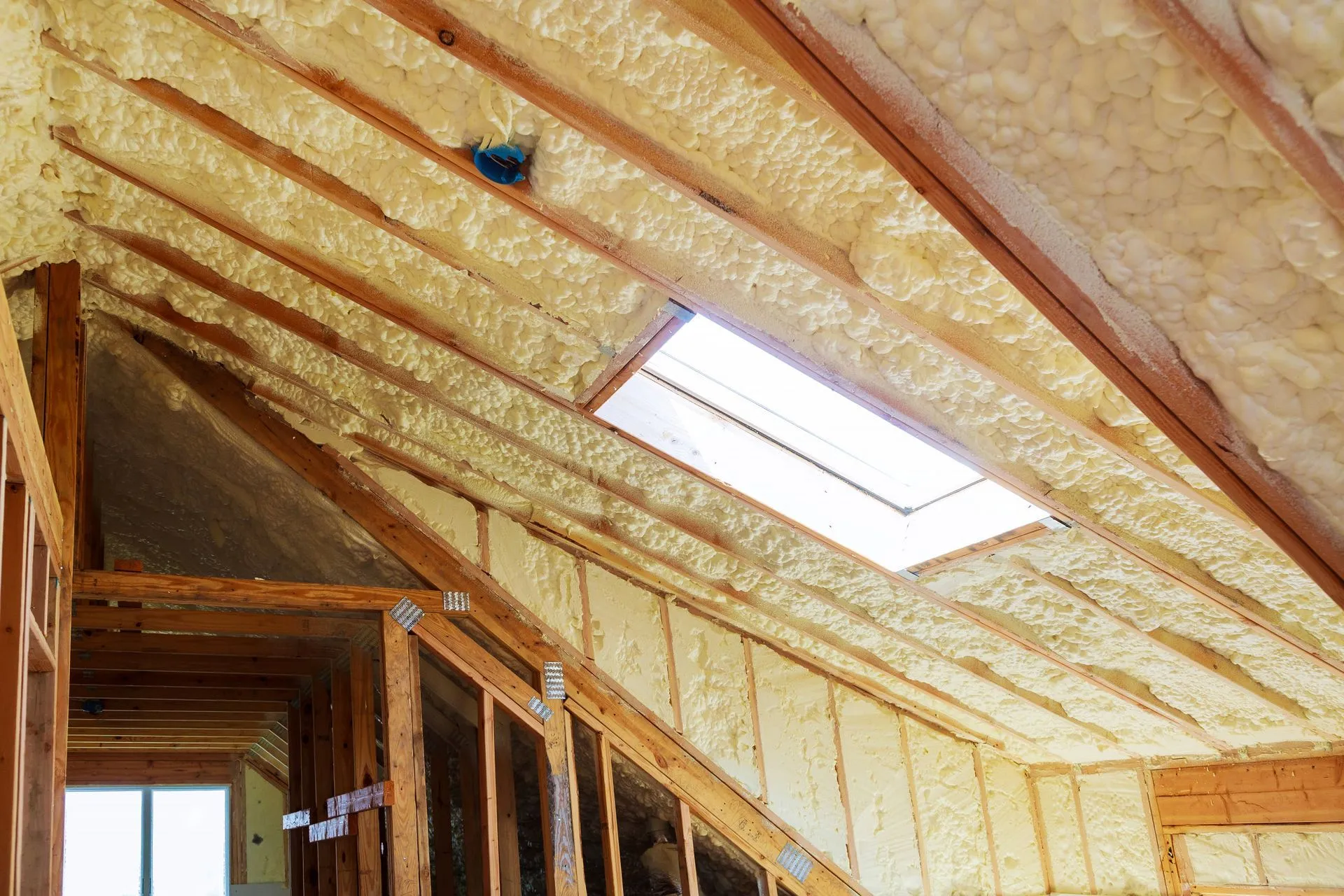
Spray foam insulation can help West Texas homes and buildings handle air leaks, blowing dust, intense heat, cold drafts, and metal-building condensation. Unlike insulation that only slows heat transfer, spray foam can also create an air barrier when the correct product is installed at the required thickness.
That combination can be especially useful in Lubbock, Plainview, and surrounding South Plains communities, where strong wind, red dust, temperature swings, and severe storms regularly test local buildings.
However, keep in mind that spray foam is not automatically the best choice for every property.
The right solution depends on the building, moisture conditions, HVAC equipment, project goals, and applicable codes.
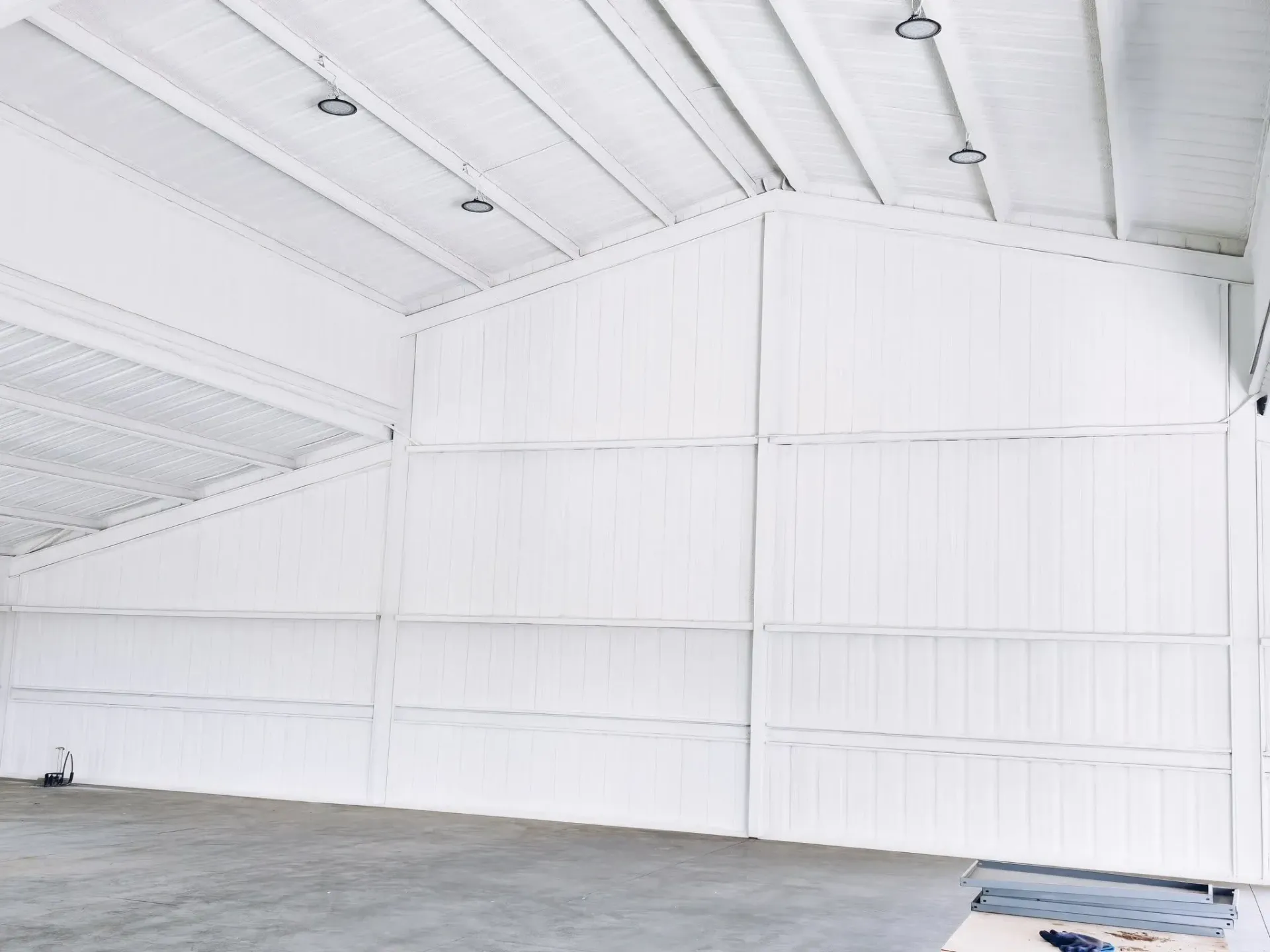
Why West Texas Weather Exposes Insulation Problems
West Texas weather makes weaknesses in the building envelope easier to notice. Strong winds can push outdoor air and dust through small openings, while summer heat and winter freezes can make under-insulated rooms uncomfortable.
The National Weather Service in Lubbock has documented repeated periods of strong wind and thick blowing dust across the South Plains. These events can reduce visibility outdoors and reveal air leakage inside homes, shops, barns, and commercial buildings.
Signs that a property may need better insulation or air sealing include:
- Red dust collecting around outlets or ceiling fixtures
- Uneven temperatures between rooms
- Long heating or cooling cycles
- Cold floors above a crawl space
- Condensation on metal roof or wall panels
- Rust, damp materials, or musty odors
- Drafts even when doors and windows are closed
Spray foam can address some of these problems, but the building should be inspected before choosing a product or application method.
Problem 1: Red Dust and Outdoor Air Keep Finding a Way Inside
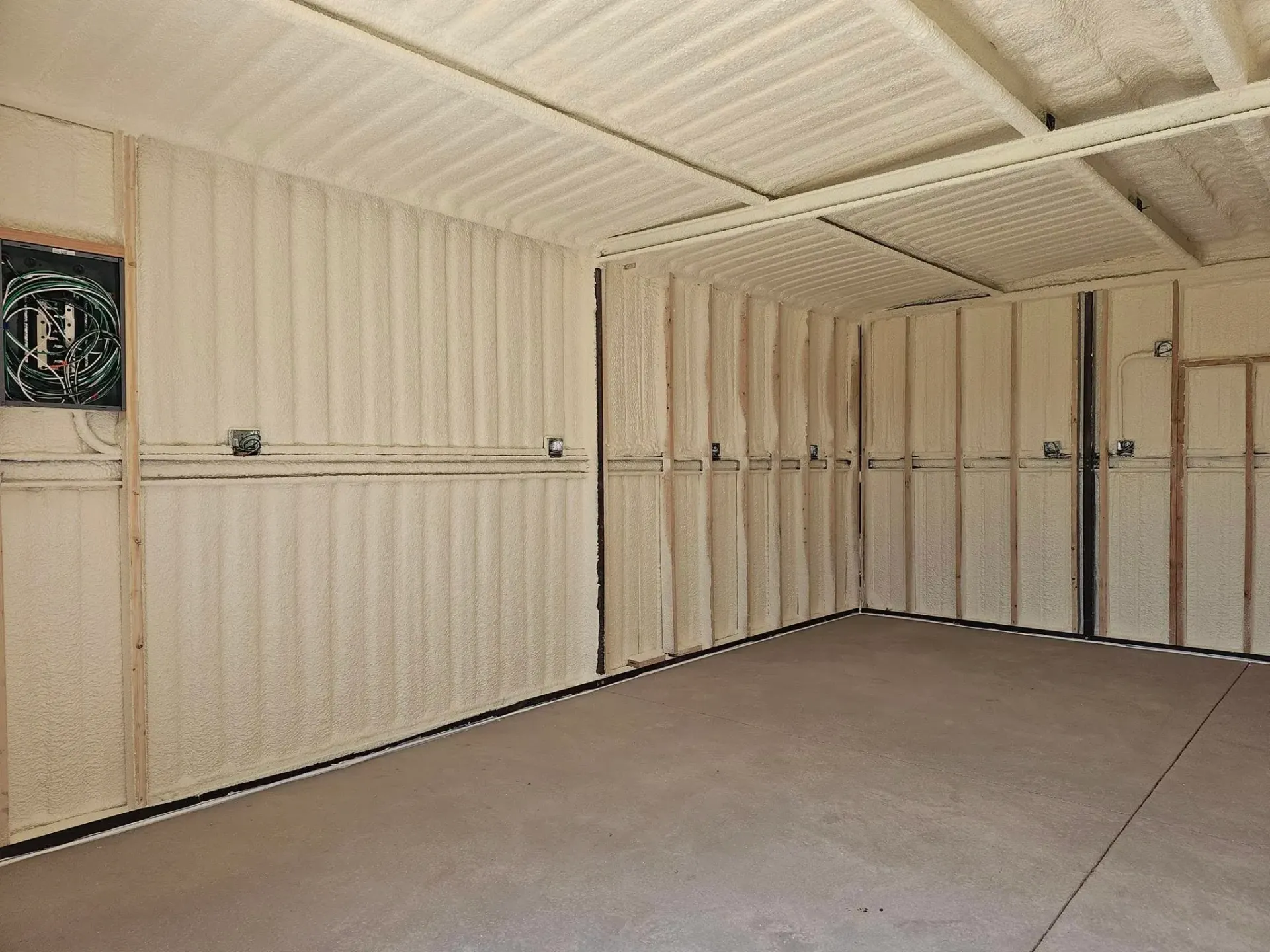
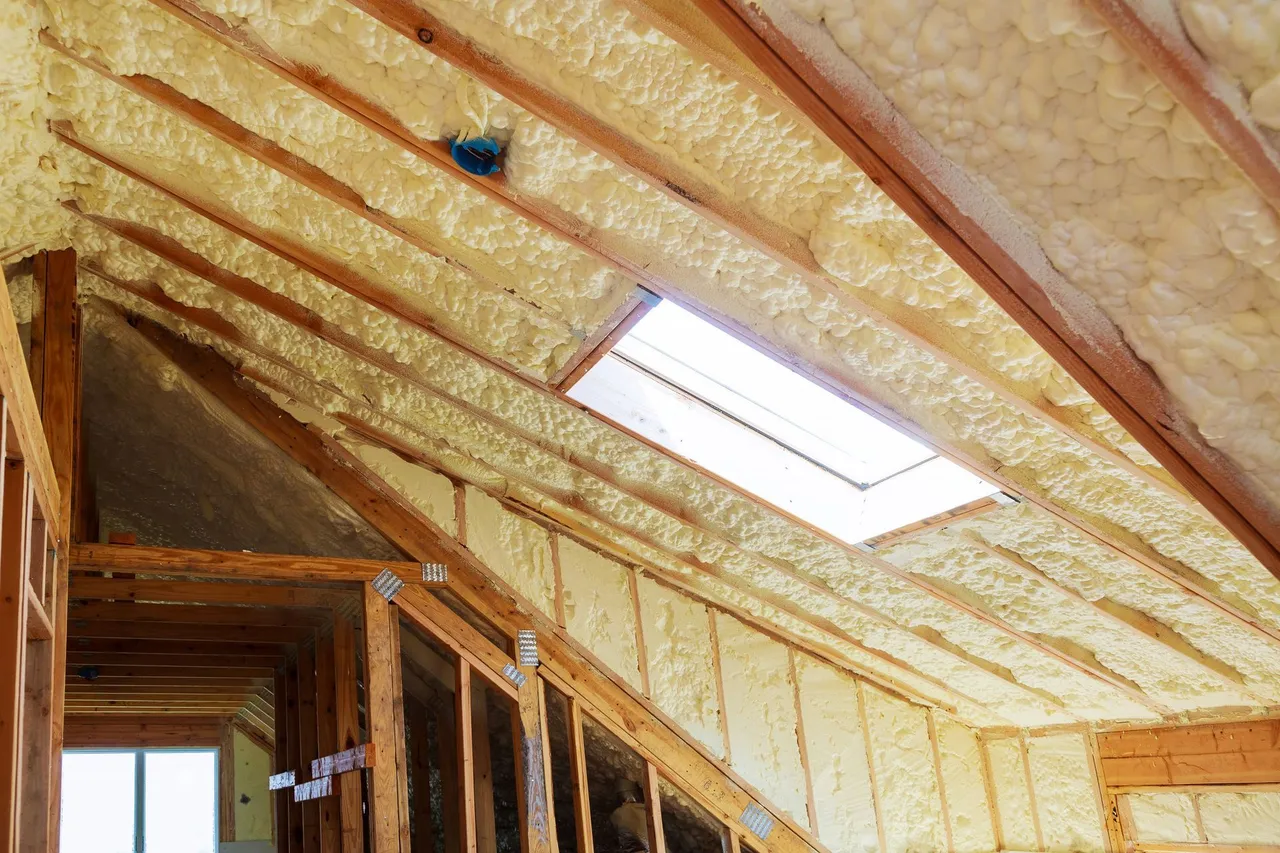
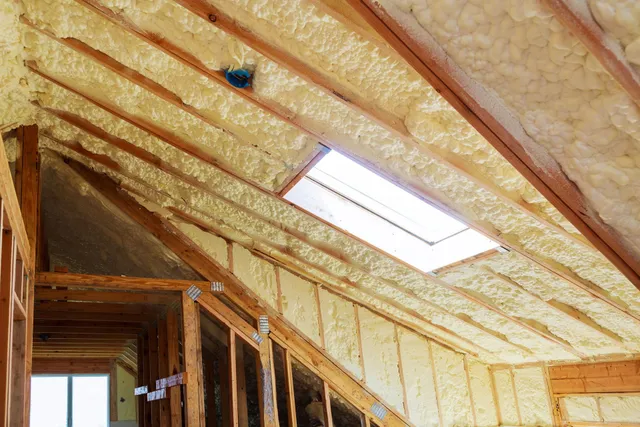
Spray foam can reduce dust entry by sealing many of the cracks that allow outdoor air to pass through a building. It will not make a home completely dust-free, but it can close pathways around framing, plumbing, wiring, attic penetrations, and other hard-to-seal areas.
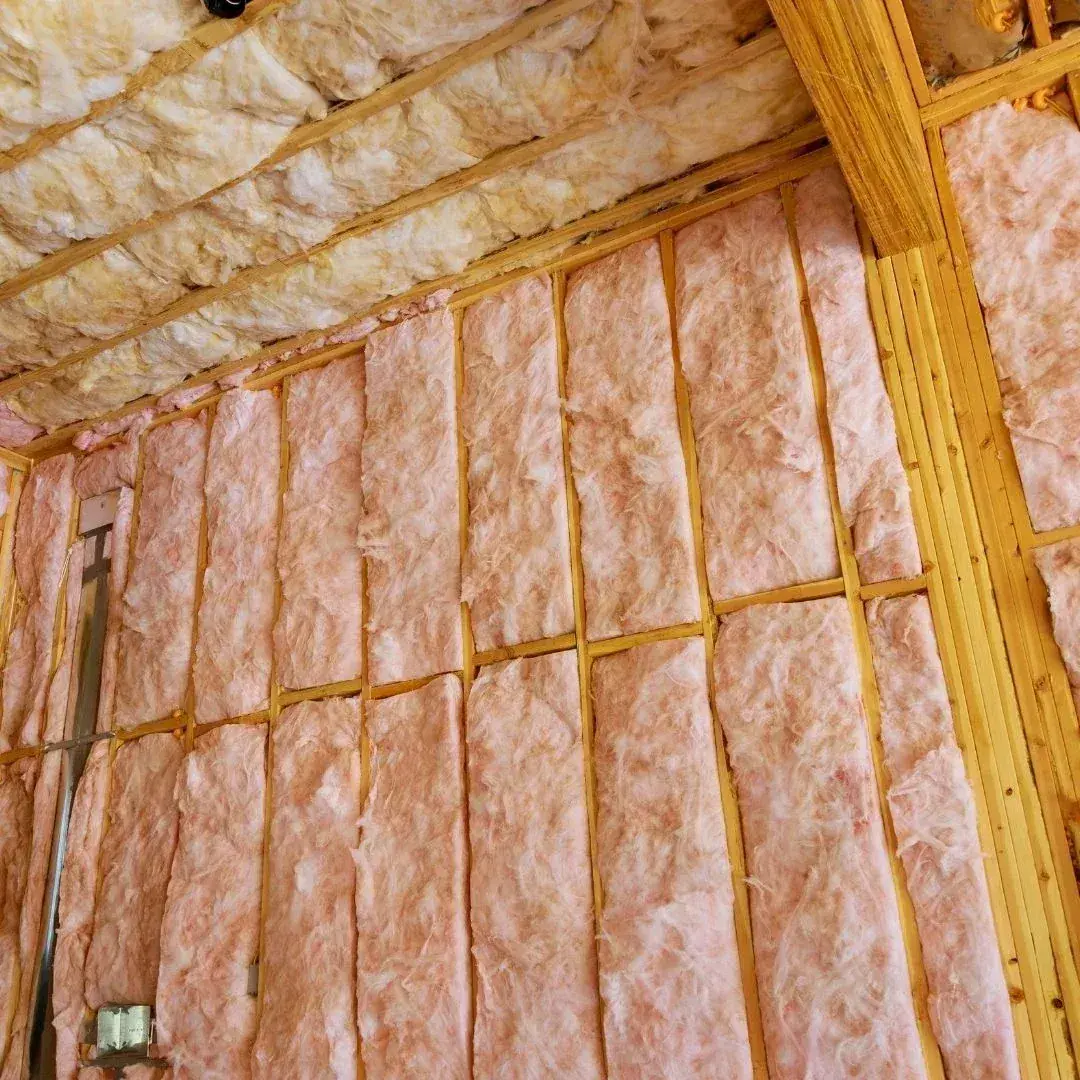
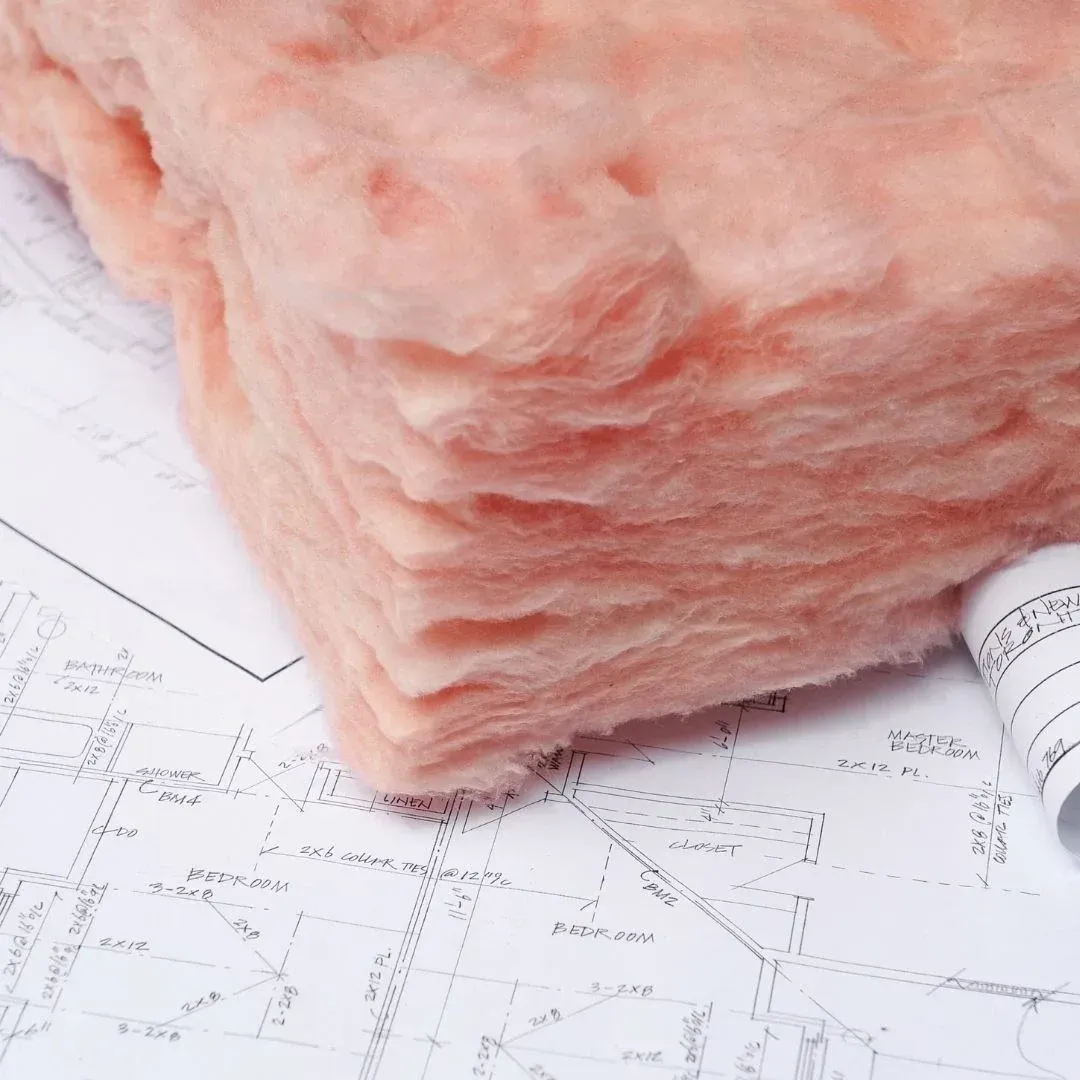
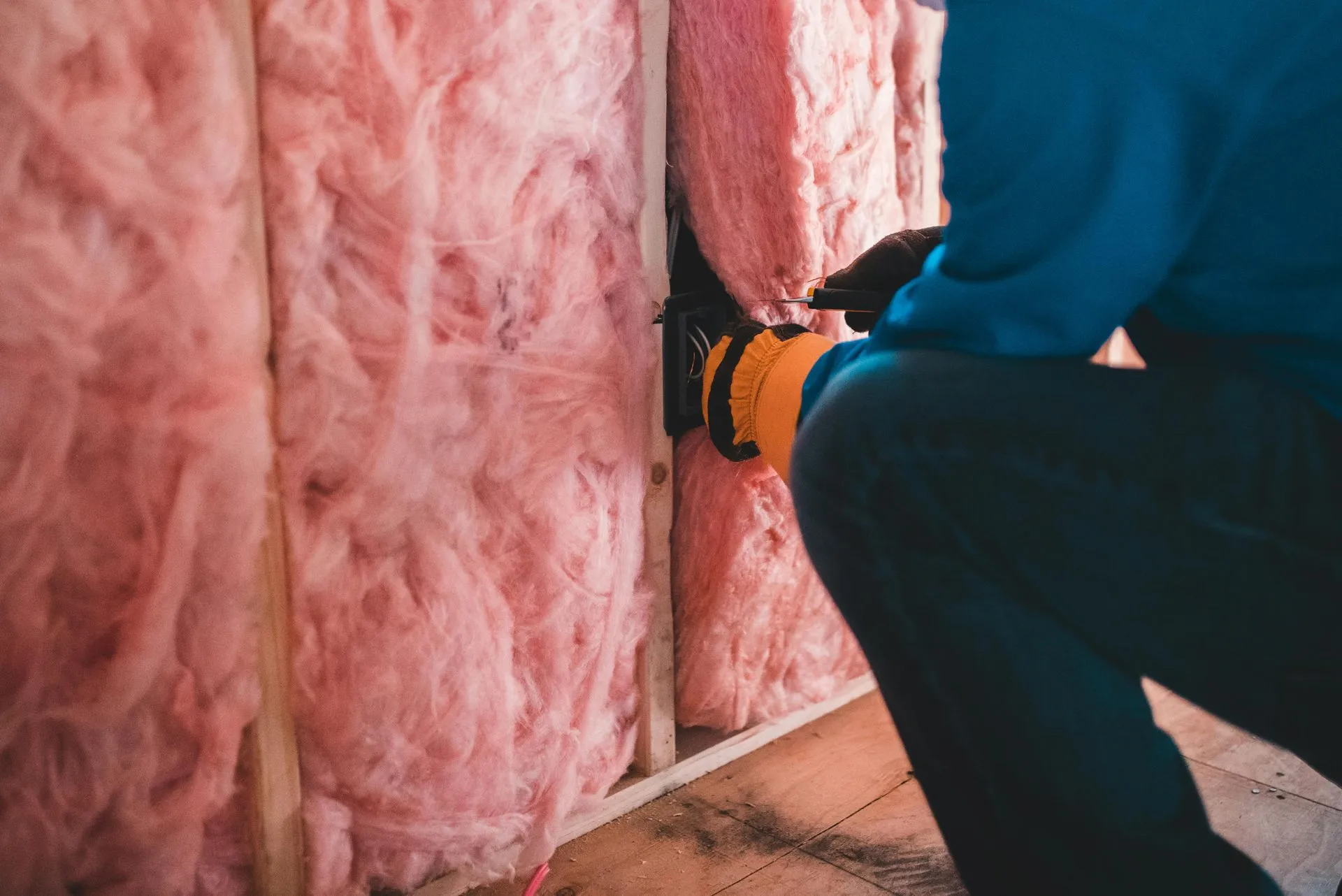
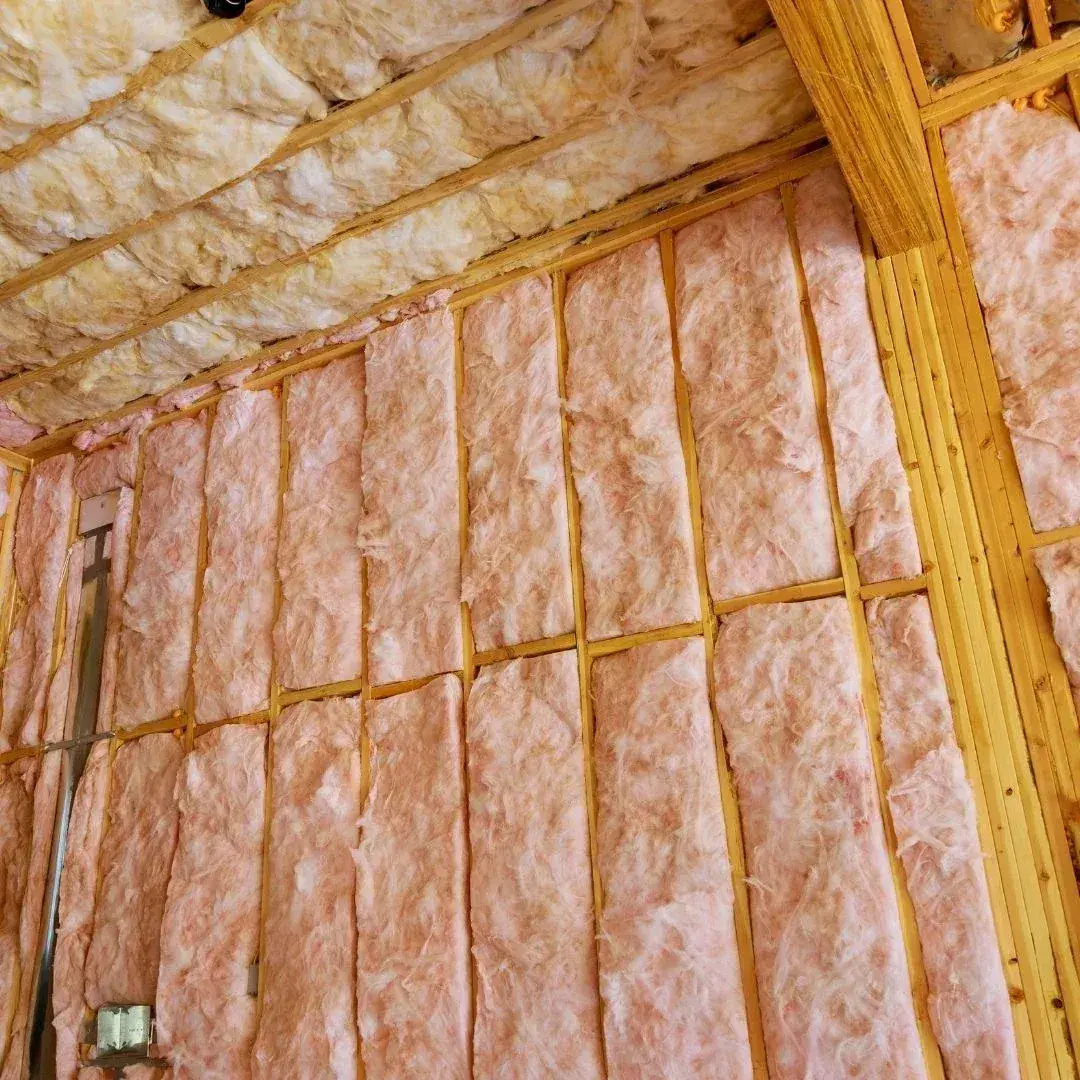
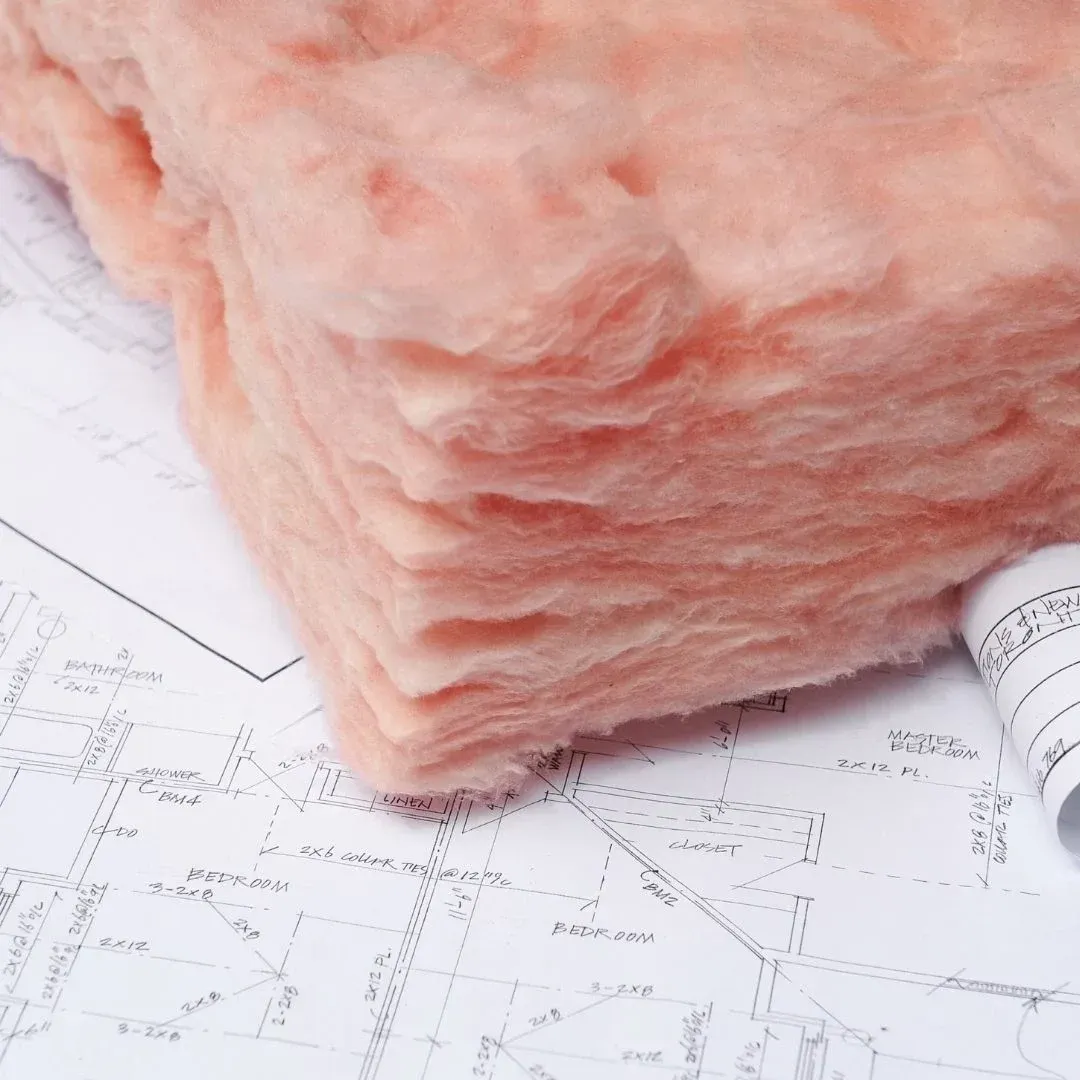
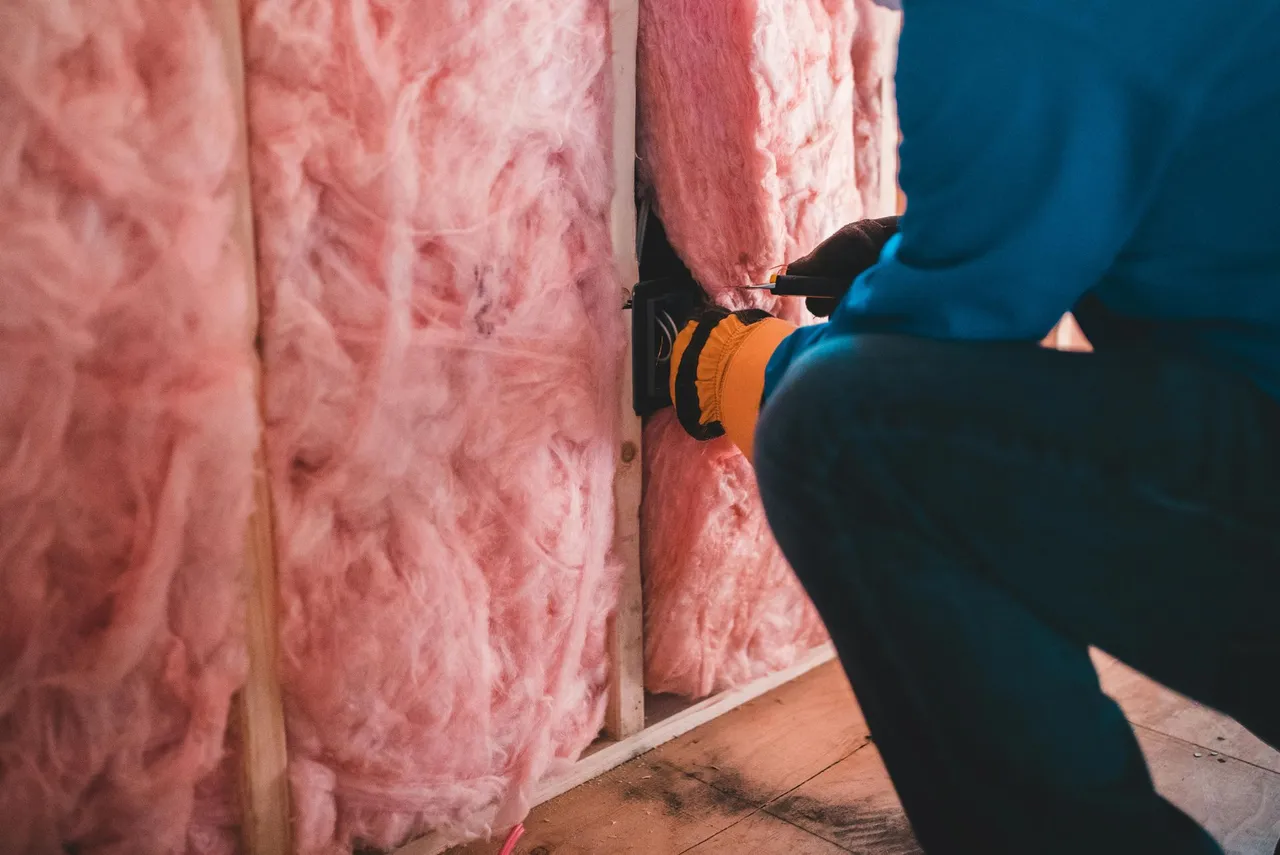
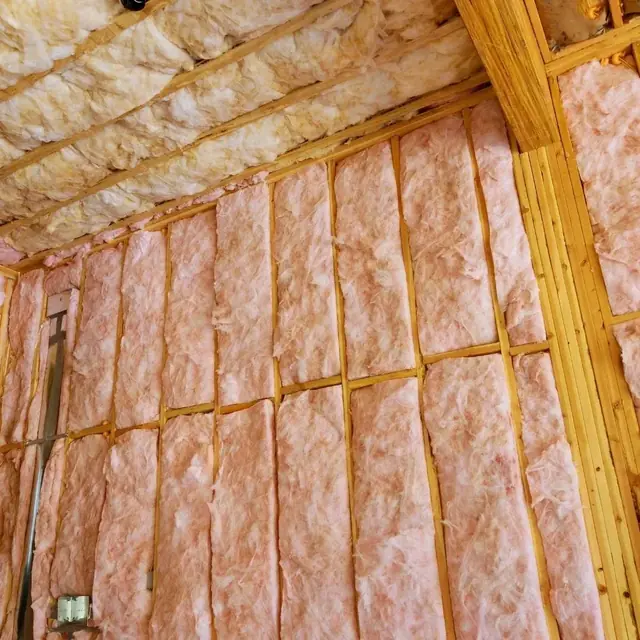
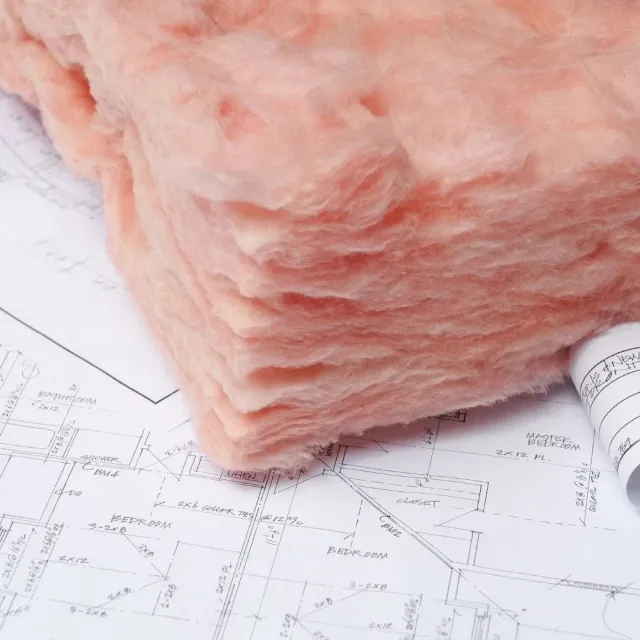
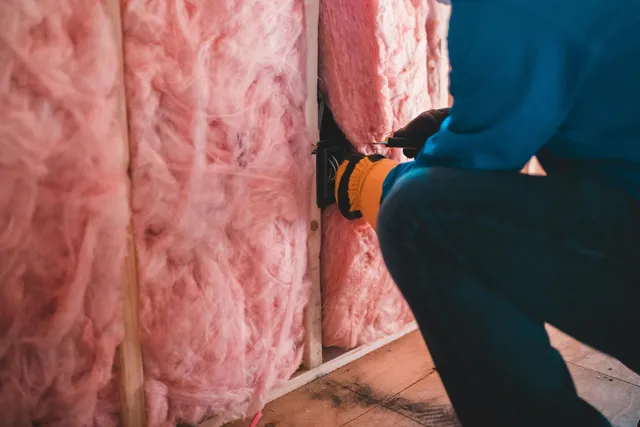
Fiberglass insulation slows heat transfer, but fiberglass does not automatically stop air movement. If it is installed around unsealed gaps, wind-driven air can still move through or around the material.
According to
ENERGY STAR’s air-sealing and insulation guidance, sealing leaks in the building envelope can also help reduce the entry of dust, pollen, insects, and outdoor air.
| Feature | Spray Foam | Fiberglass |
|---|---|---|
| Slows heat transfer | Yes | Yes |
| Creates an air barrier | At the product’s required thickness | No; separate sealing is needed |
| Fits irregular cavities | Expands into many gaps | Must be cut and fitted carefully |
| Common advantage | Combines insulation and air sealing | Often has a lower initial cost |
| Important limitation | Requires trained application | Gaps and compression reduce performance |
Fiberglass can still be an effective choice when it is installed correctly and paired with proper air sealing. We offer fiberglass insulation services as well as spray foam.
Homeowners comparing materials can also review this guide to choosing the right insulation type for a Lubbock home.
Practical example: Red dust around recessed lights or an attic hatch may be entering through ceiling penetrations instead of through the windows. An inspection can identify these hidden pathways before insulation is added.
Problem 2: Summer Heat Is Making Your Home Harder to Cool
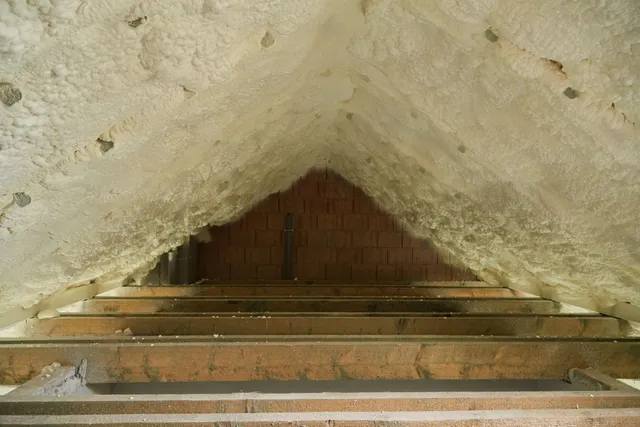
Attic insulation and air sealing can reduce heat transfer and unwanted air movement between the attic and the living space. This can make temperatures more consistent and may reduce unnecessary HVAC runtime.
Common attic leakage points include:
- Plumbing and electrical penetrations
- Recessed lights
- Attic access doors
- Open wall cavities
- Duct and register connections
- Gaps around chimneys or exhaust vents
The U.S. Department of Energy recommends sealing attic-floor penetrations before adding insulation in a conventional vented attic. Attic work must also consider ventilation, indoor air quality, and combustion safety.
Combustion safety is especially important when a project moves the building envelope from the attic floor to the roofline or significantly tightens the home. Atmospheric-combustion equipment may require evaluation to confirm that it receives adequate combustion air and vents correctly.
ENERGY STAR estimates that homeowners can save an average of about 15% on heating and cooling costs by combining air sealing with added insulation in attics, floors over crawl spaces, and basements. This is an average for combined improvements instead of a guaranteed savings percentage for spray foam or any individual home.
An attic inspection should evaluate:
- The depth and condition of existing insulation
- Air leaks around ceiling penetrations
- Duct condition and location
- Roof leaks or moisture staining
- Attic ventilation
- HVAC and combustion-safety requirements
- Required fire-protection materials
Older properties may benefit from spray foam insulation for existing buildings.
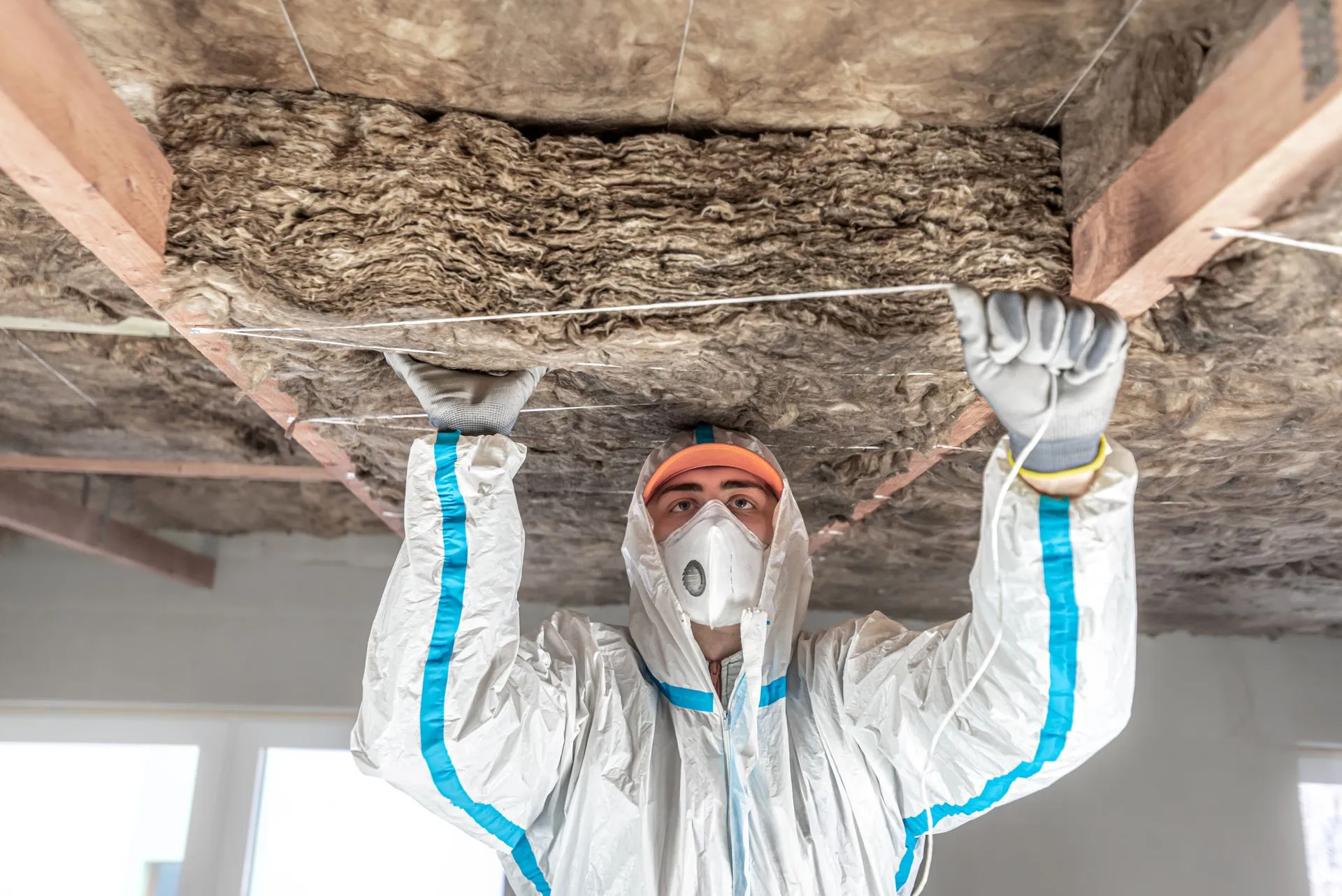
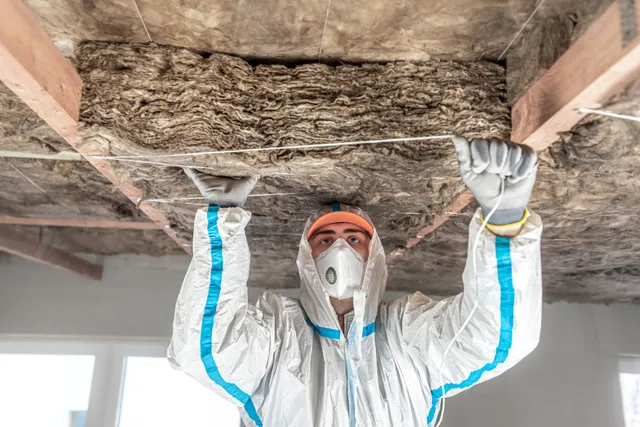
Wet, pest-damaged, or contaminated insulation may need to be removed before new material is installed.
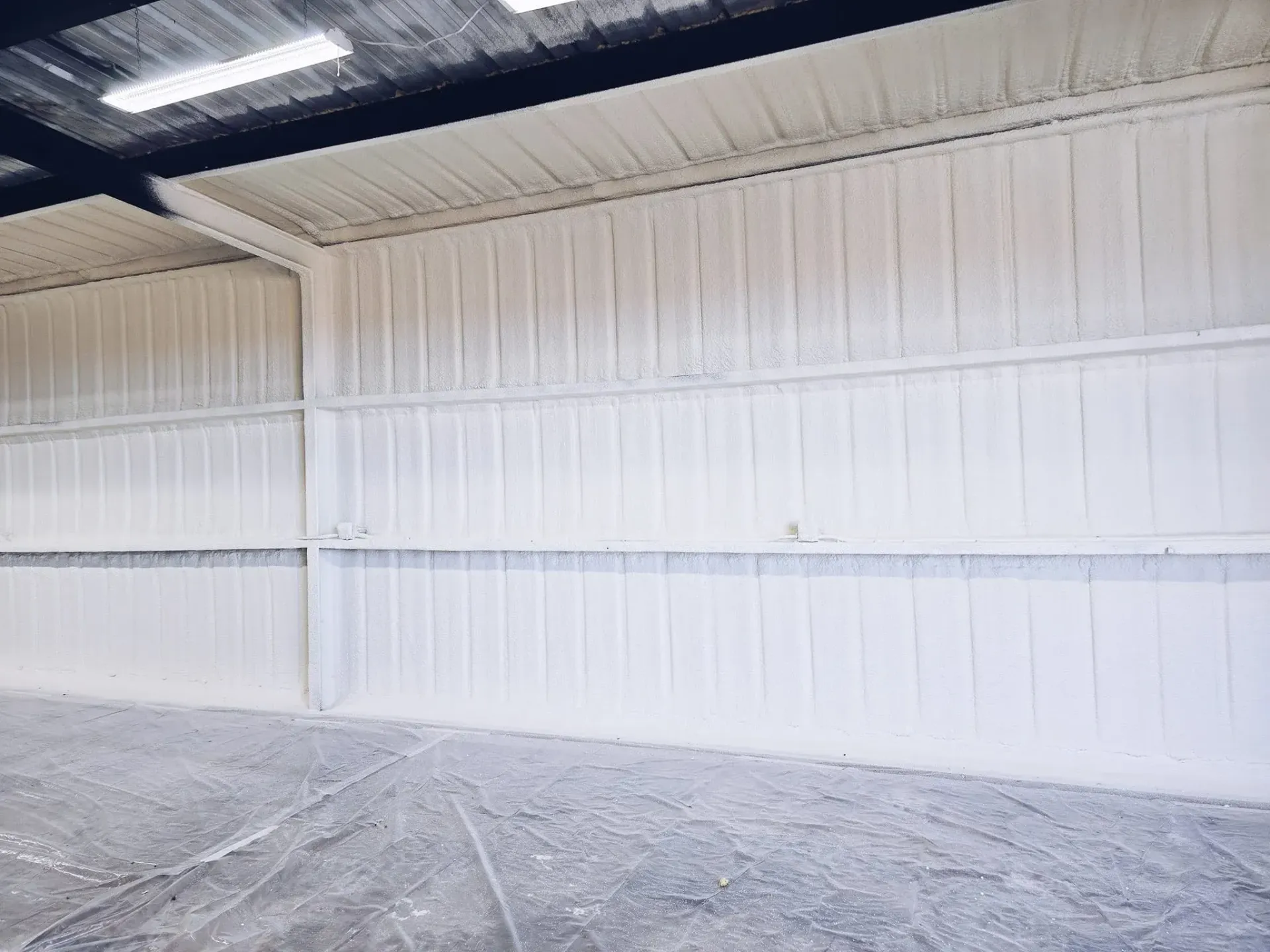
Problem 3: Your Metal Shop, Barn, or Warehouse Is Sweating
Condensation can form when warm, moisture-containing air reaches a metal surface that is colder than the air’s dew point. The resulting water may drip onto tools, equipment, stored materials, feed, inventory, or interior finishes.
Over time, uncontrolled moisture can contribute to:
- Rust on tools and equipment
- Corrosion of metal components
- Damp boxes or stored materials
- Mold growth on vulnerable surfaces
- Water stains and damaged finishes
- Uncomfortable working conditions
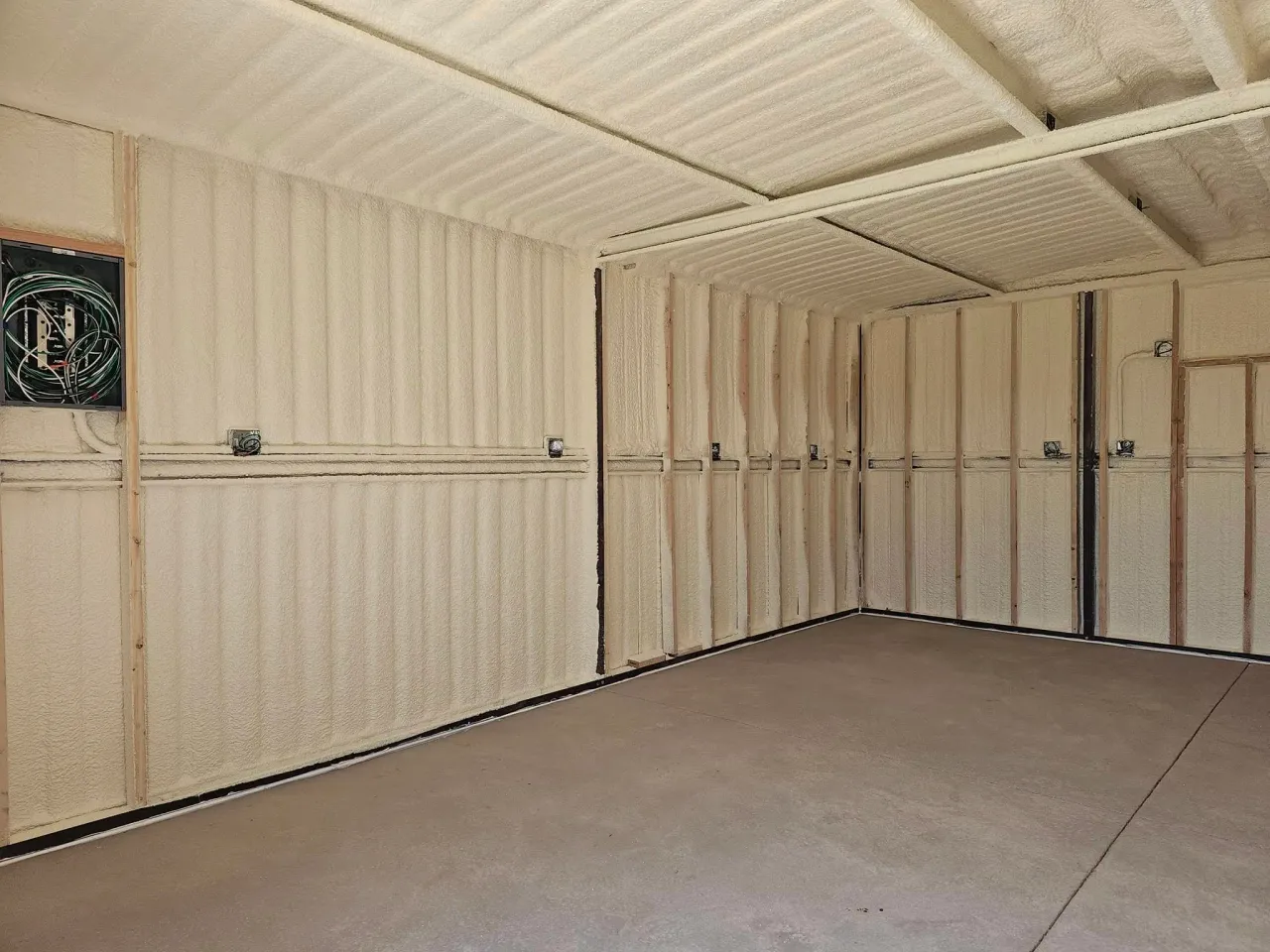
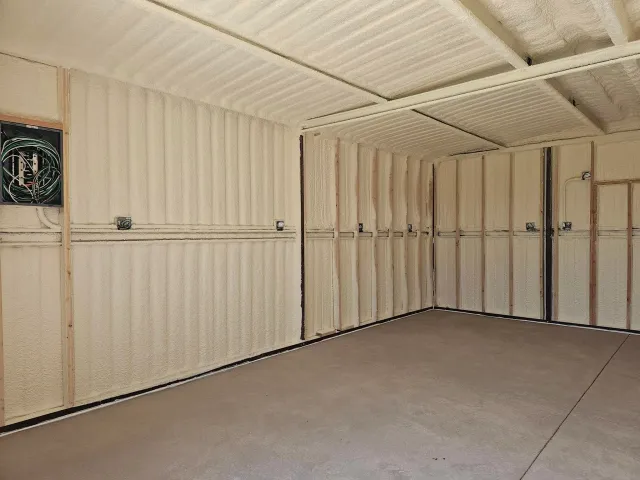
Closed-cell spray foam is often considered for metal buildings because it provides a higher R-value per inch than open-cell foam and has lower vapor permeance. When it is installed continuously as part of a properly designed assembly, it can help control heat flow, air movement, and water-vapor movement.
Building Science Corporation explains that closed-cell spray foam can perform multiple control functions in suitable commercial wall and roof assemblies. However, the foam must be compatible with the substrate and applied according to product and design requirements.
Spray foam does not repair:
- Active roof leaks
- Severe rust or damaged panels
- Poor site drainage
- Plumbing leaks
- Uncontrolled indoor humidity
These problems should be corrected before insulation is installed. Learn more about our metal-building spray foam insulation.
Problem 4: Crawl-Space Drafts Are Leaving Your Floors Cold
A poorly protected crawl space can allow cold air to move beneath the floor and expose wood framing to moisture. The right combination of drainage, ground-moisture control, air sealing, and insulation can improve comfort and help protect the structure.
The correct approach depends on how the crawl space is designed. A contractor may recommend insulating the underside of the floor or creating a sealed crawl-space assembly.
Before insulation is installed, the crawl space should be checked for:
- Standing water
- Plumbing leaks
- Rotting or damaged wood
- Termite or pest activity
- Missing ground vapor protection
- Leaking or disconnected ducts
- Improper drainage
- Combustion equipment or exhaust concerns
Spray foam should not be used to hide existing moisture, pest, or structural problems. Those conditions need to be identified and corrected first.
A dry and properly insulated crawl space may improve comfort and support the property’s long-term condition. Let’s talk about how insulation upgrades can increase property value in Plainview and Lubbock as an example.
Open-Cell vs. Closed-Cell Spray Foam
Open-cell and closed-cell foam solve different building-envelope problems. The right product depends on available space, moisture exposure, vapor-control needs, code requirements, and the design of the wall, roof, or floor assembly.
| Consideration | Open-cell foam | Closed-cell foam |
|---|---|---|
| Density | Lower | Higher |
| Texture | Softer and more flexible | Dense and rigid |
| R-value per inch | Lower | Higher |
| Vapor permeance | More vapor-permeable | Lower vapor permeance |
| Common applications | Selected interior walls and roof assemblies | Metal buildings, crawl spaces, and limited-depth cavities |
| Typical cost | Usually lower | Usually higher |
The Spray Polyurethane Foam Alliance notes that the
air-barrier thickness and performance characteristics vary by foam product. Contractors should use the manufacturer’s technical data and code-compliance documents rather than relying on one universal thickness.
A Note About Open-Cell Foam at the Roof Deck
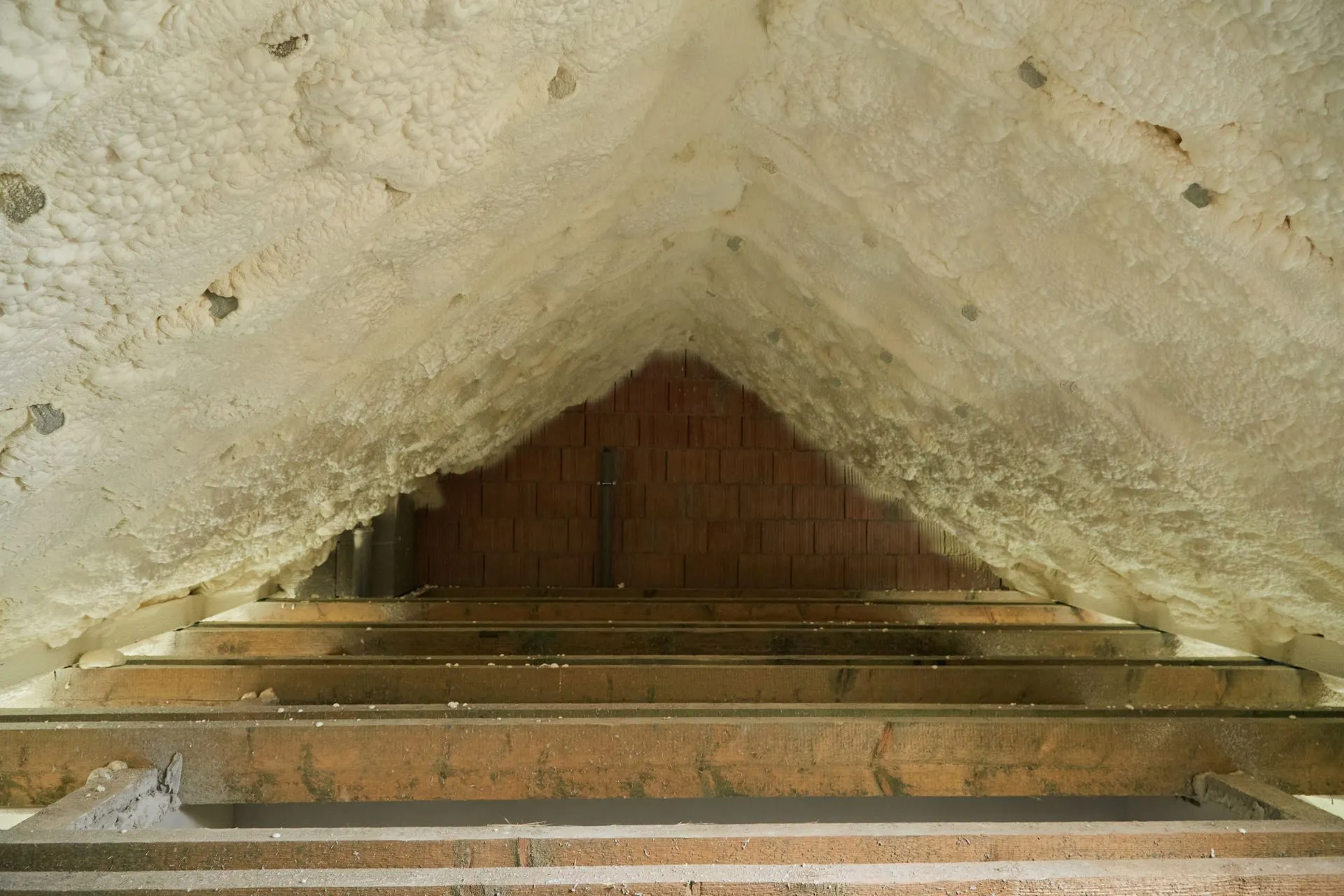
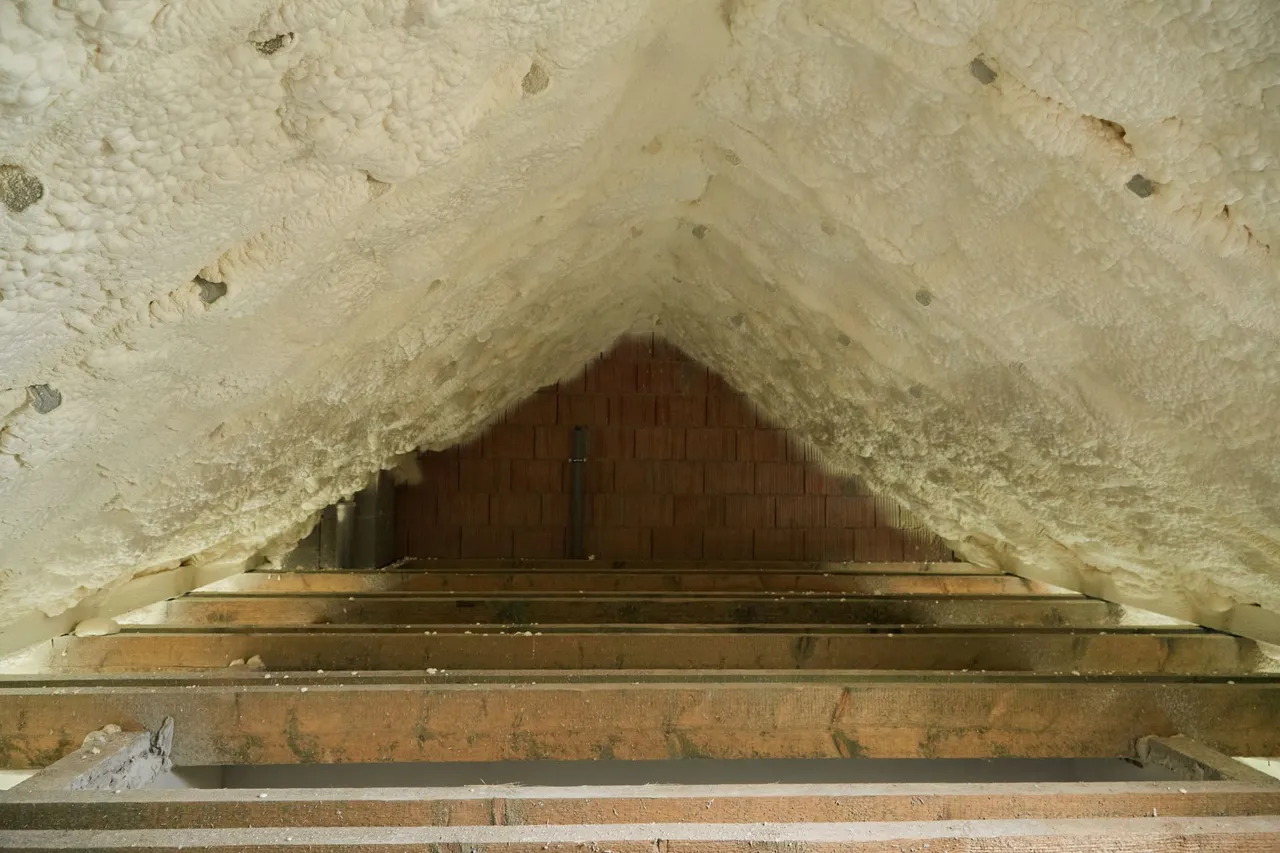
Open-cell foam may be used in certain roof assemblies, but it should not be treated as a one-size-fits-all attic solution.
Roof-deck applications must be designed around:
- Local building codes
- Roof and shingle materials
- Moisture-control requirements
- Attic ventilation strategy
- Indoor humidity
- HVAC design
- Manufacturer requirements
Because open-cell foam is vapor-permeable, some assemblies may require additional vapor or condensation control. The design should also provide a way to manage moisture within an unvented attic.
New projects provide an opportunity to coordinate insulation, HVAC equipment, ventilation, wiring, plumbing, and fire protection before interior finishes are installed. We provide new-construction spray foam insulation for residential and commercial projects in Lubbock and Plainview.
What Should Occupants Know About Installation Safety?
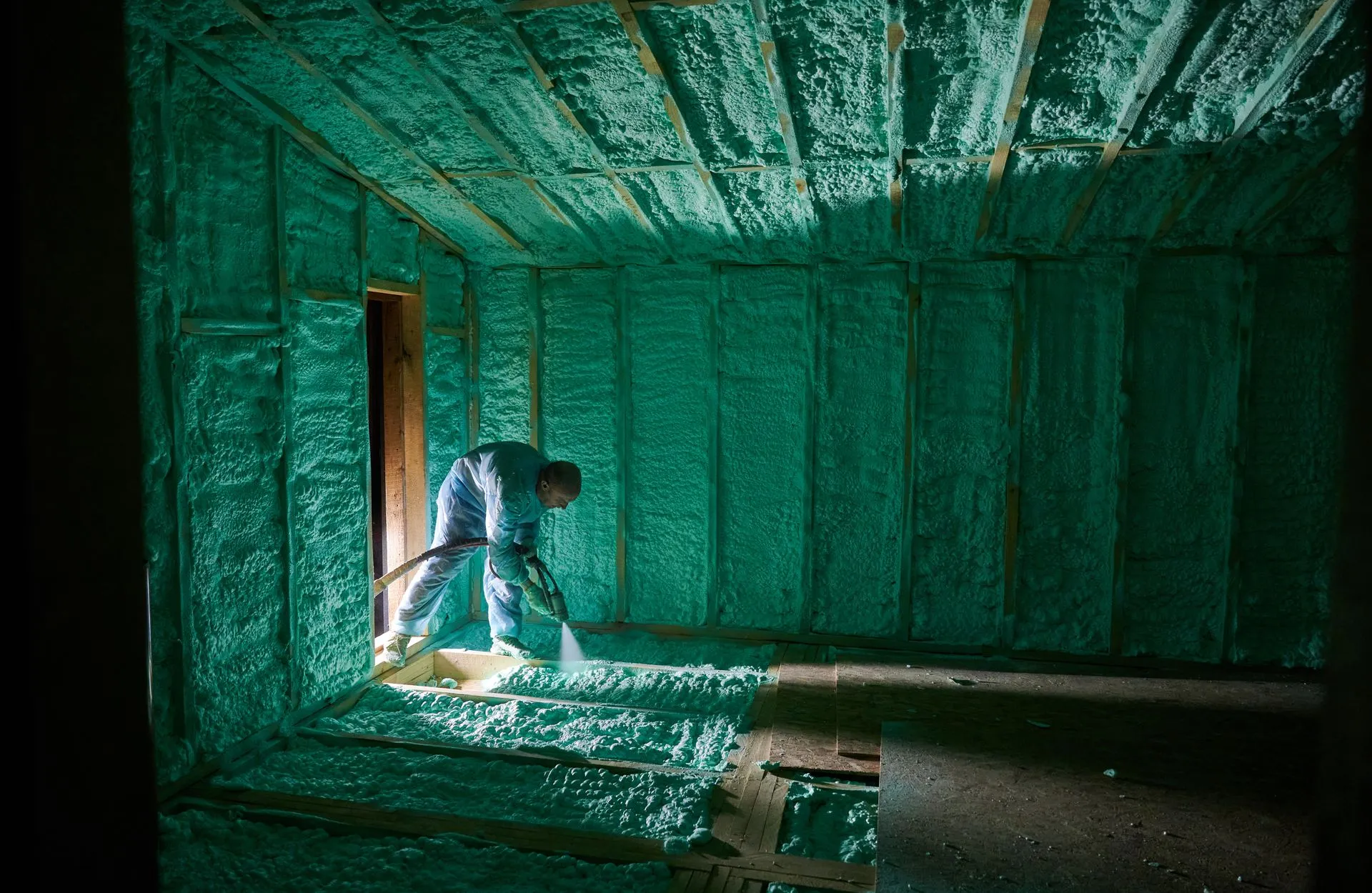
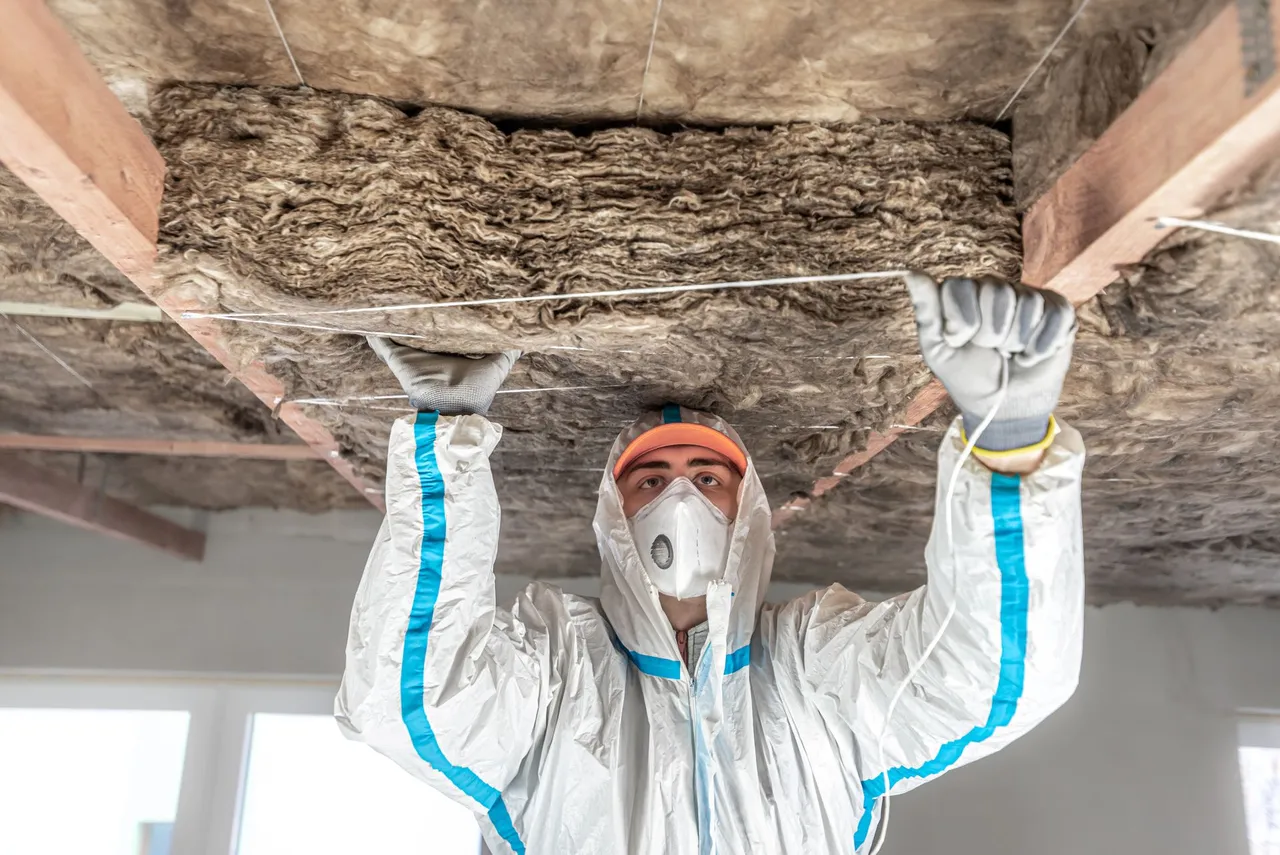
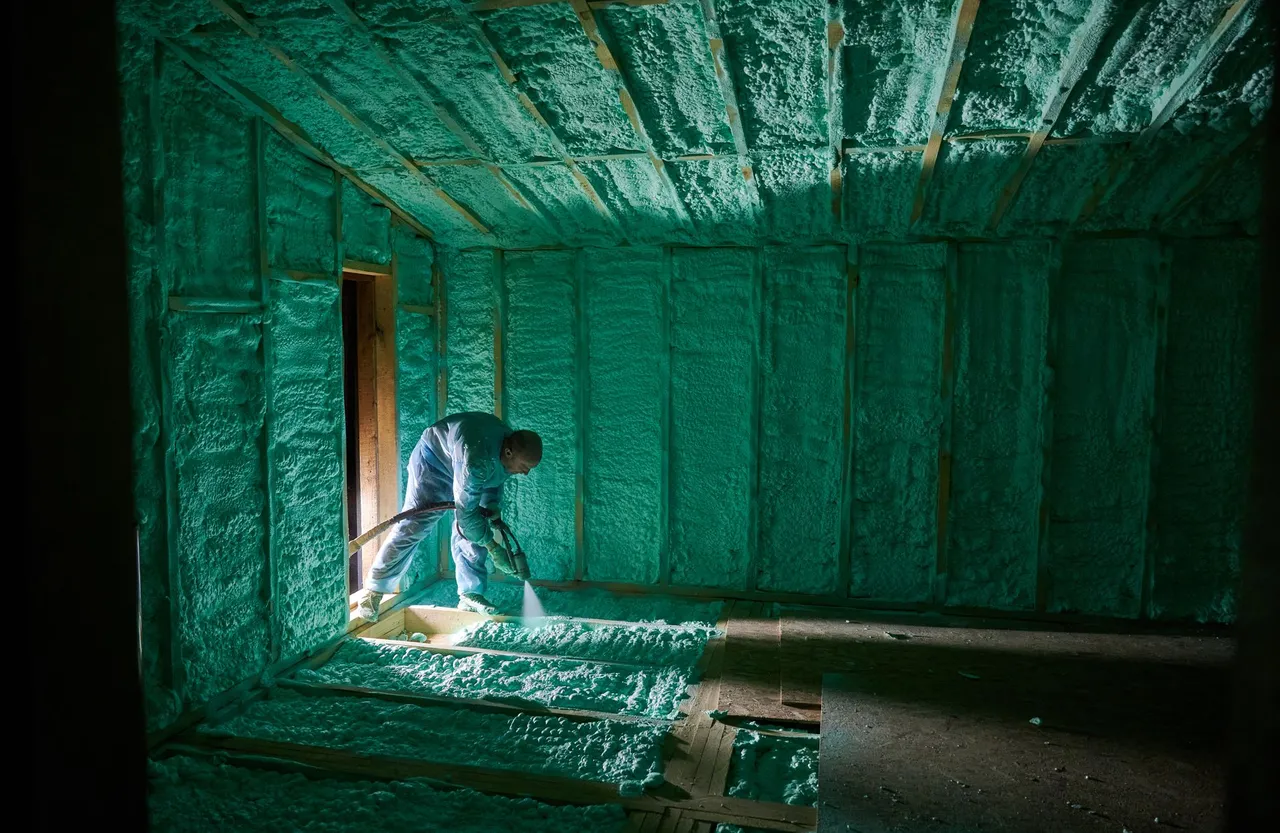
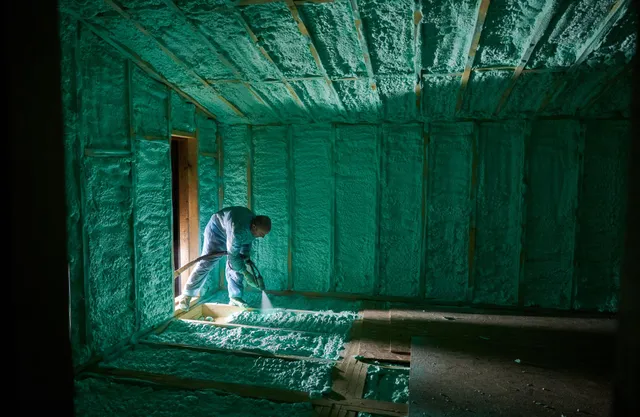
Spray polyurethane foam requires controlled installation conditions. Uncured chemicals and application aerosols can present health risks, so occupants, employees, pets, and unprotected workers should stay out of the work area during application.
Professional installation should include:
- Trained workers
- Suitable protective equipment
- Isolation of the work area
- Ventilation during and after installation
- Control of ignition sources
- Protection of nearby surfaces
- Clear re-entry instructions
Do not rely on a universal 24-hour re-entry promise. The Environmental Protection Agency advises property owners to obtain ventilation, worker re-entry, and occupant re-entry guidance for the specific product and project conditions. Recommended times can vary based on the foam system, temperature, ventilation, application thickness, and manufacturer instructions.
Protect Your West Texas Property
West Texas weather is hard on homes, shops, barns, warehouses, and commercial buildings. The right insulation system can help reduce air leaks, improve temperature control, limit dust pathways, and manage condensation without making promises that no single product can guarantee.
Duralock Spray Foam serves homeowners, builders, businesses, and agricultural property owners in Lubbock, Plainview, and surrounding West Texas communities.
Call
(806) 685-0609 to request a free insulation estimate and find out which solution fits your building.
FAQs About Spray Foam Insulation in West Texas
Will spray foam lower my energy bills in Lubbock?
Spray foam may reduce energy waste when it corrects significant air leaks and insulation gaps. ENERGY STAR estimates average heating and cooling savings of about 15% from combined air sealing and insulation improvements, but actual results depend on the building, HVAC equipment, utility rates, and project scope.
Can spray foam stop red dust from entering my home?
Spray foam can reduce dust entry by sealing many cracks where outdoor air enters the building envelope. It cannot stop dust from entering through open doors, windows, leaking ducts, or other unsealed areas.
Is closed-cell spray foam best for a metal building?
Closed-cell foam is often a strong option for metal buildings because it offers high thermal resistance per inch and lower vapor permeance. The building should first be inspected for leaks, rust, moisture sources, and surface conditions.
Can spray foam be installed in an existing home?
Yes. Common retrofit areas include attics, crawl spaces, rim joists, accessible walls, garages, additions, and workshops. An inspection will determine which areas are suitable and whether damaged insulation must be removed.
Is spray foam insulation safe?
Spray foam requires careful controls while it is being applied. Property owners should use trained installers and follow product-specific evacuation, ventilation, and re-entry instructions rather than relying on a universal waiting period.