

A Complete Guide to Spray Foam Insulation for New Home Construction
When building a new home, insulation is one of the most important decisions you'll make. It directly affects your home's energy efficiency, comfort, and even durability. Among the many insulation options available, spray foam insulation stands out as a superior choice. If you're considering spray foam insulation for new home construction, this guide will walk you through everything you need to know.
What is Spray Foam Insulation?
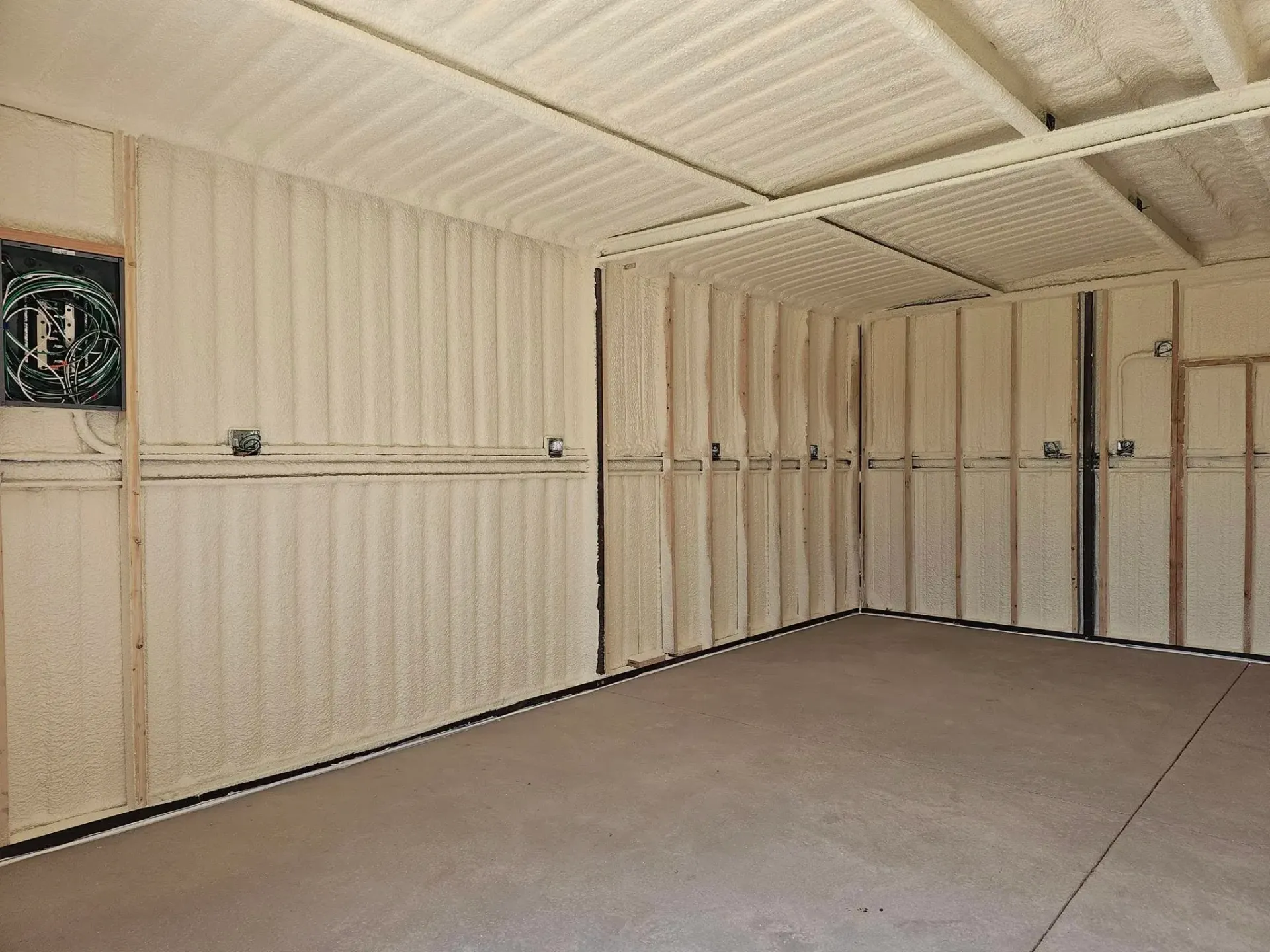
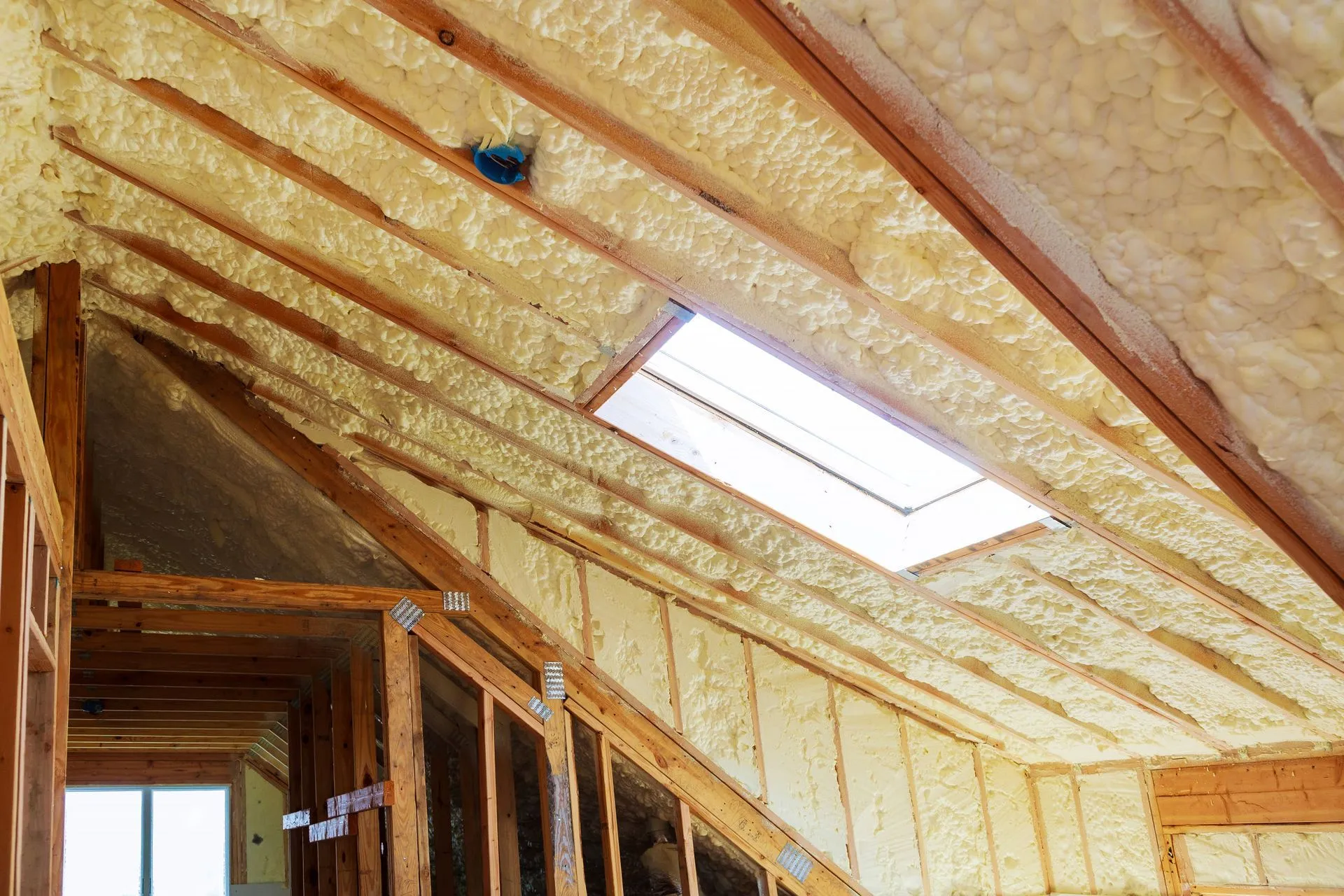
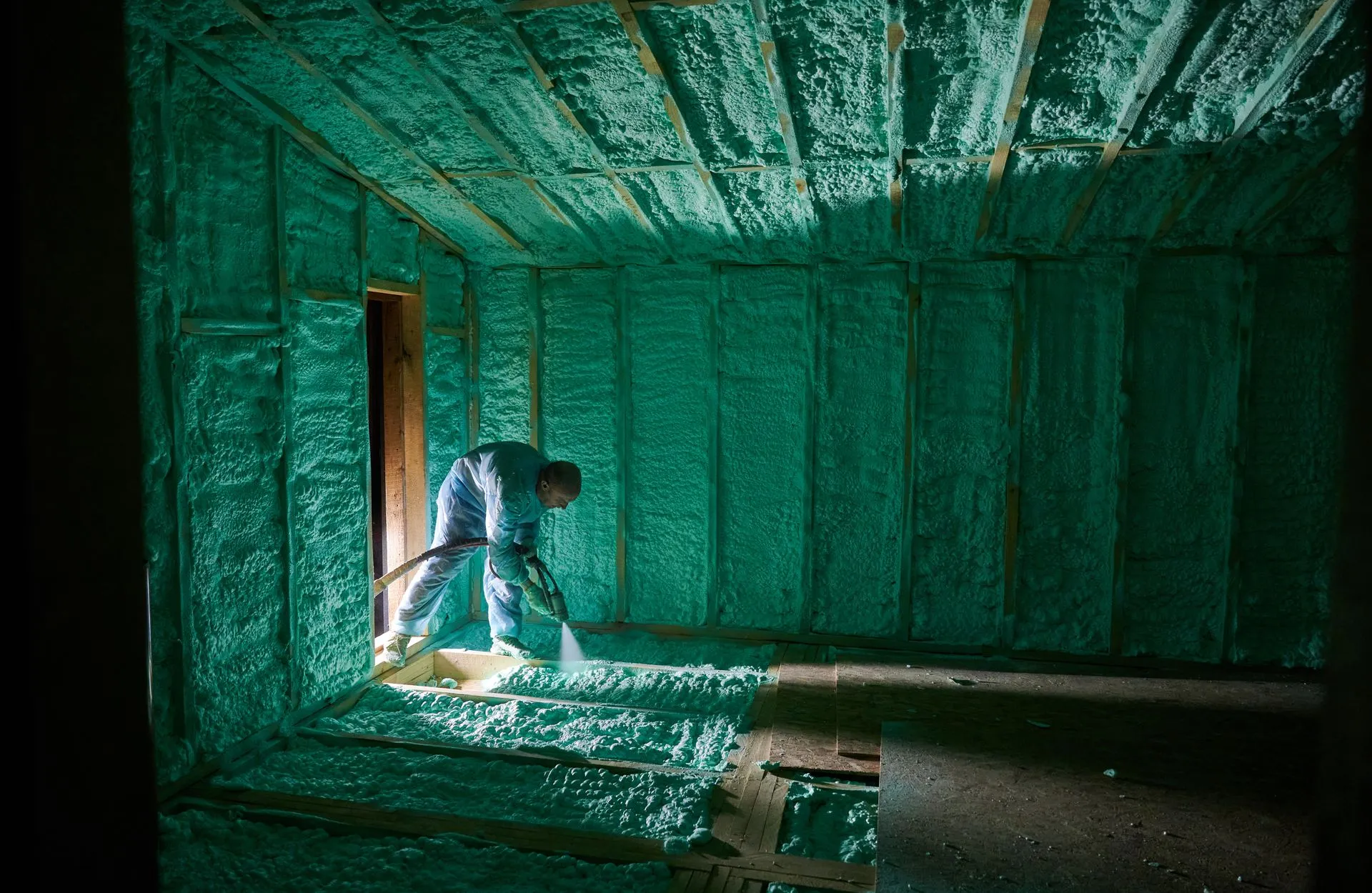
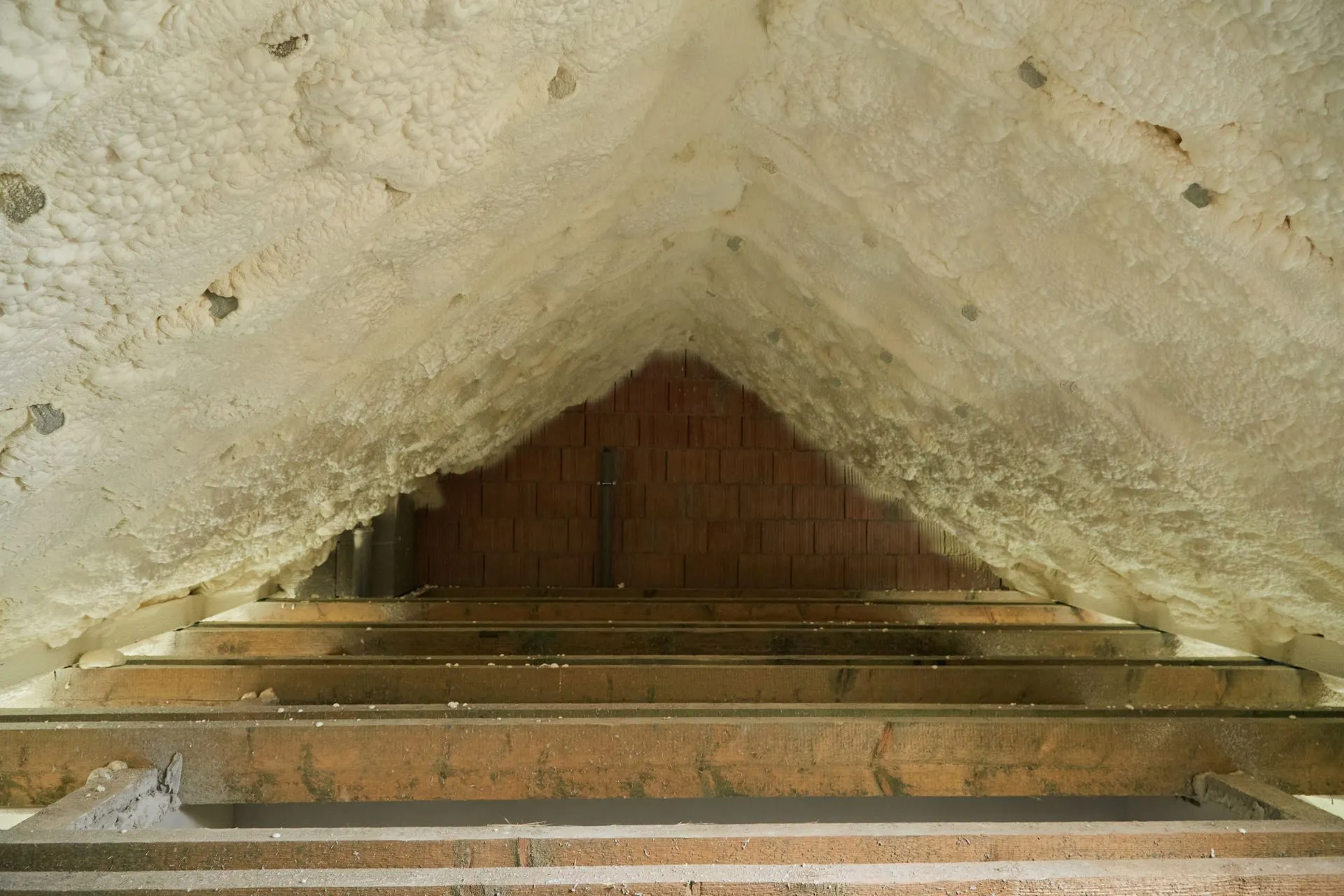
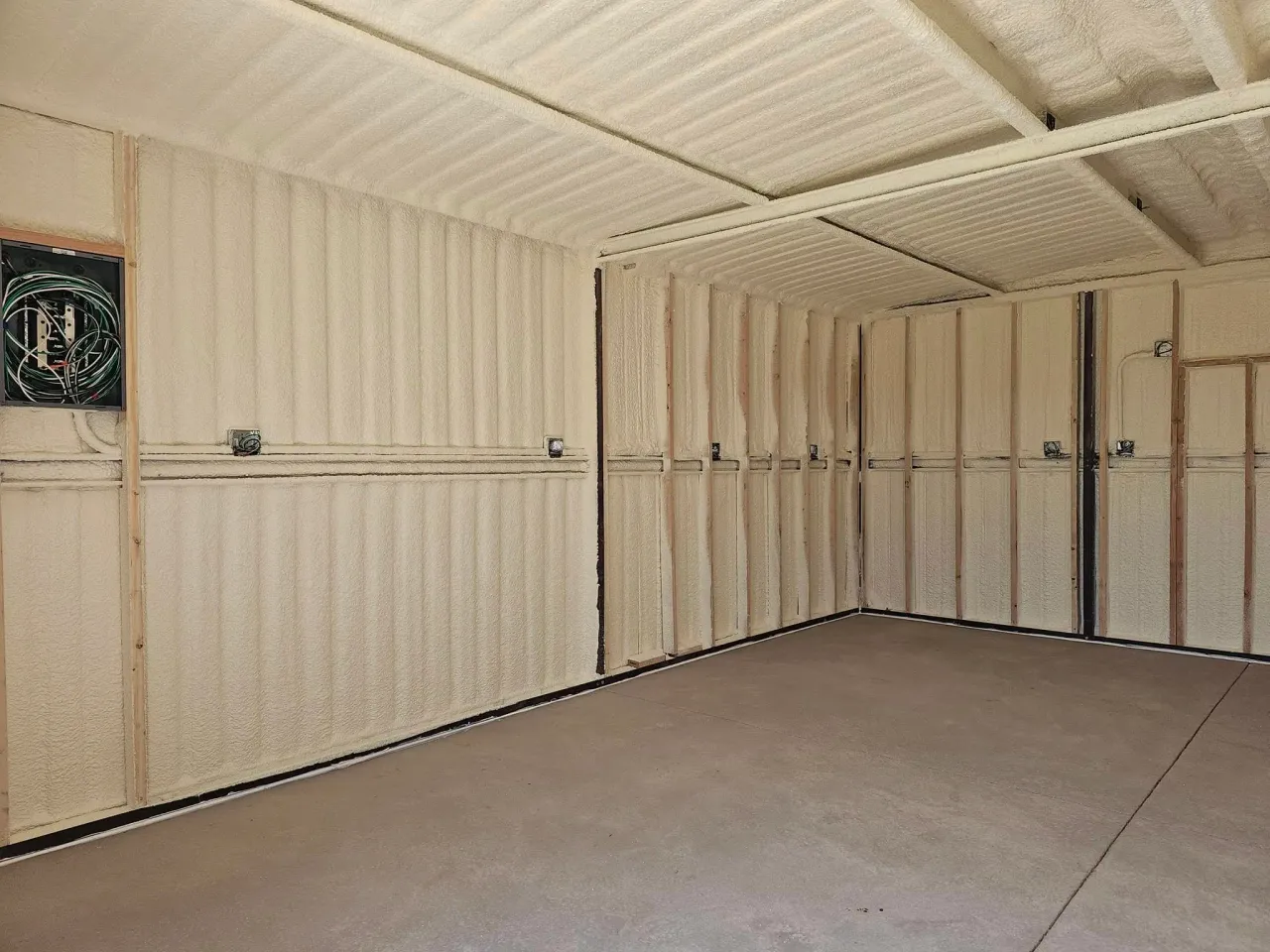
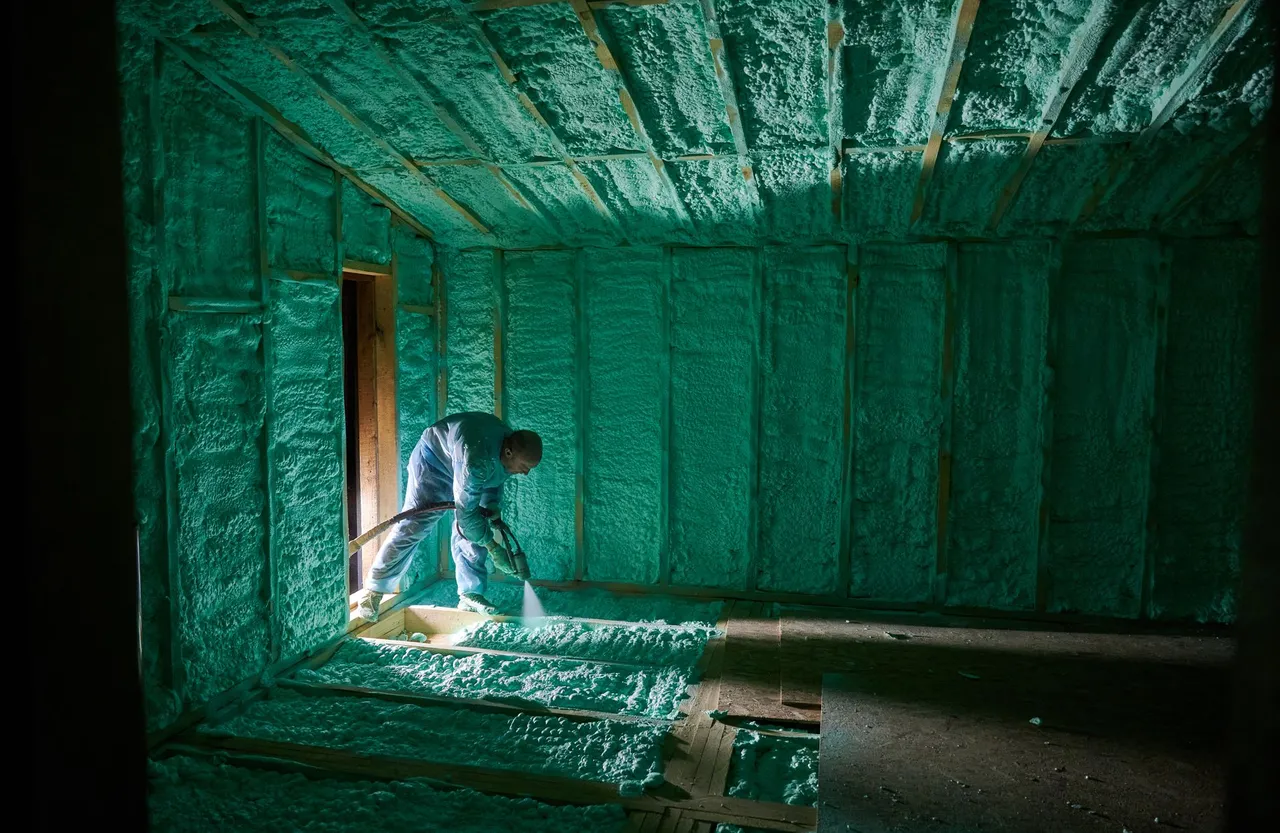
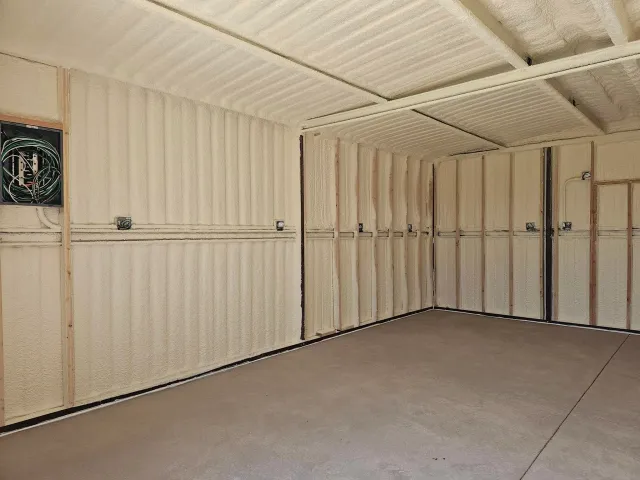
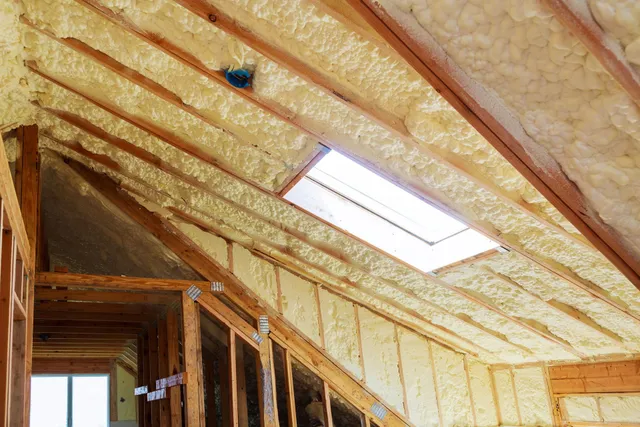
Spray foam insulation is a high-performance insulating material that expands upon application to fill gaps, cracks, and voids. It is available in two types: open-cell and closed-cell foam. Open-cell spray foam is lighter and more flexible, making it ideal for interior walls and soundproofing. Closed-cell spray foam, on the other hand, is denser and provides a higher R-value, making it perfect for exterior walls, roofs, and basements.
By forming an air-tight seal, spray foam insulation reduces energy loss, improves indoor air quality, and enhances structural integrity. These benefits make it a preferred choice for homeowners looking for long-term energy efficiency and comfort.
Benefits of Spray Foam Insulation for New Home Construction
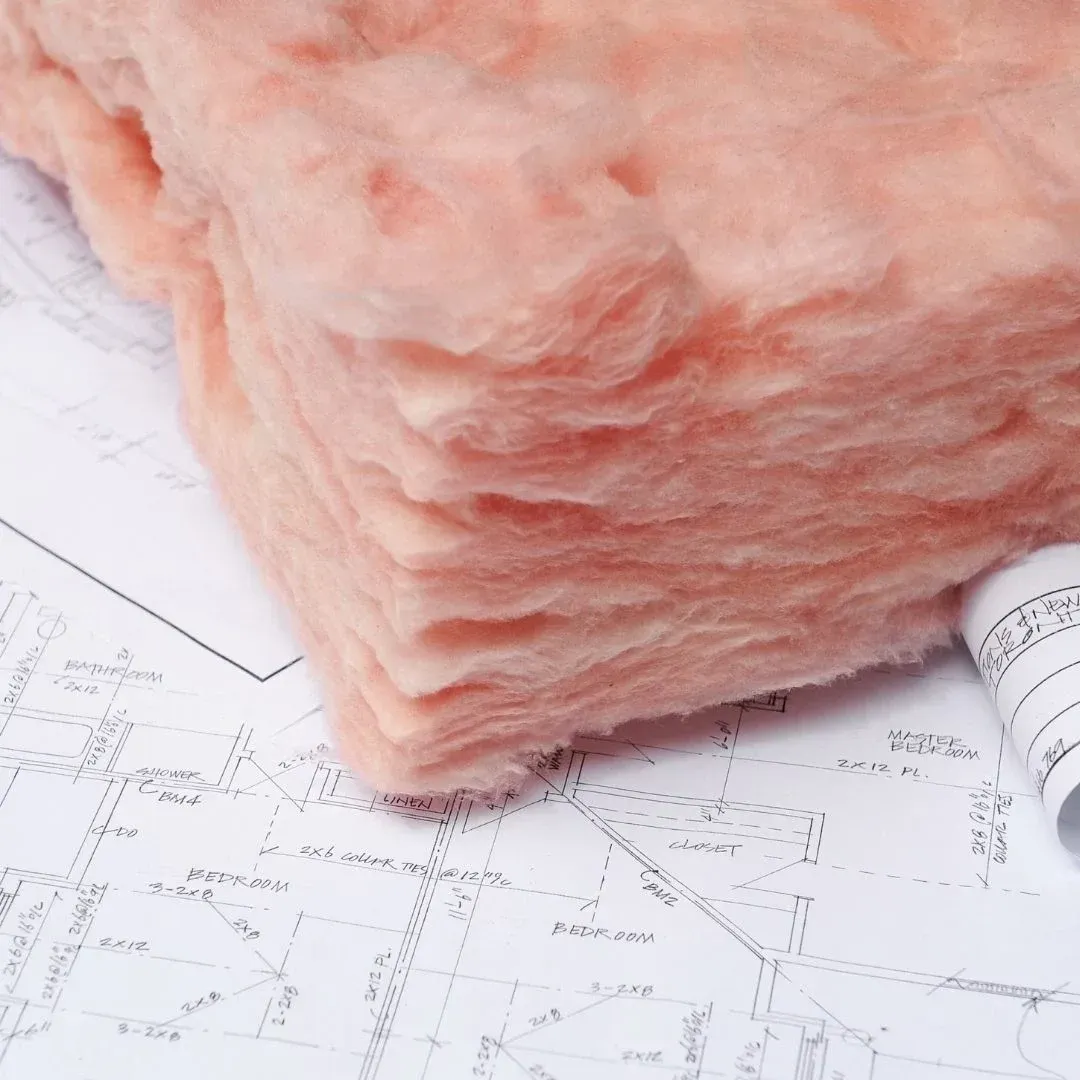
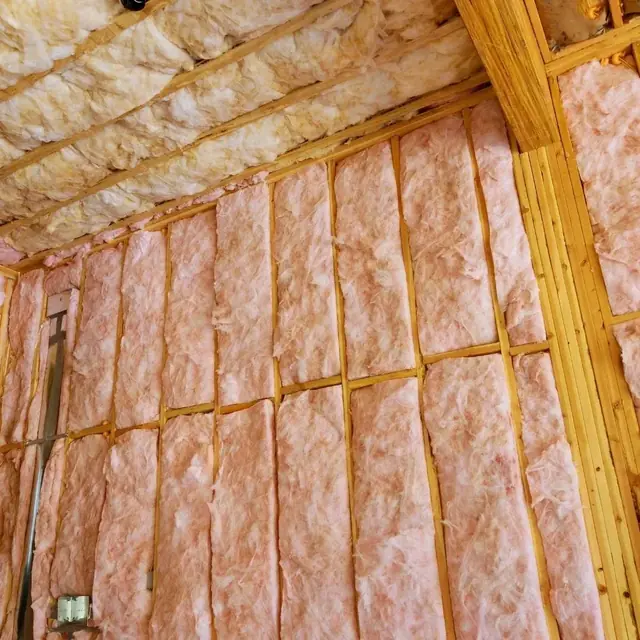
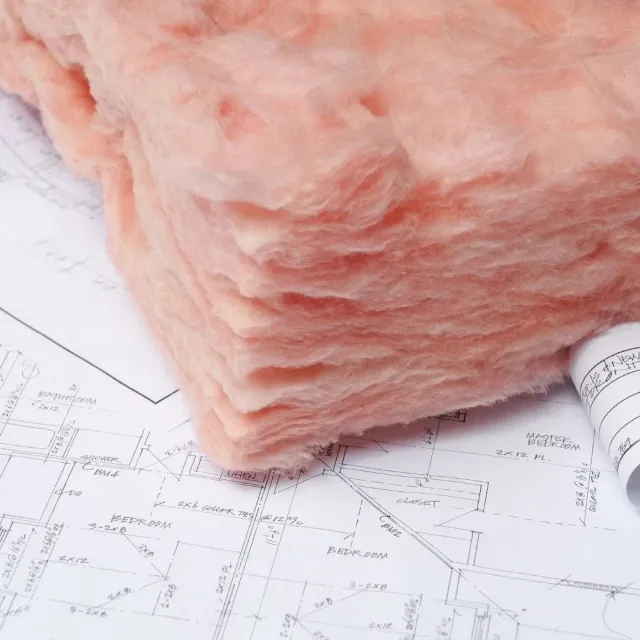
Choosing the right insulation for your new home is crucial, and spray foam insulation offers several advantages over traditional materials like fiberglass and cellulose. Here are some key benefits:
1. Superior Energy Efficiency
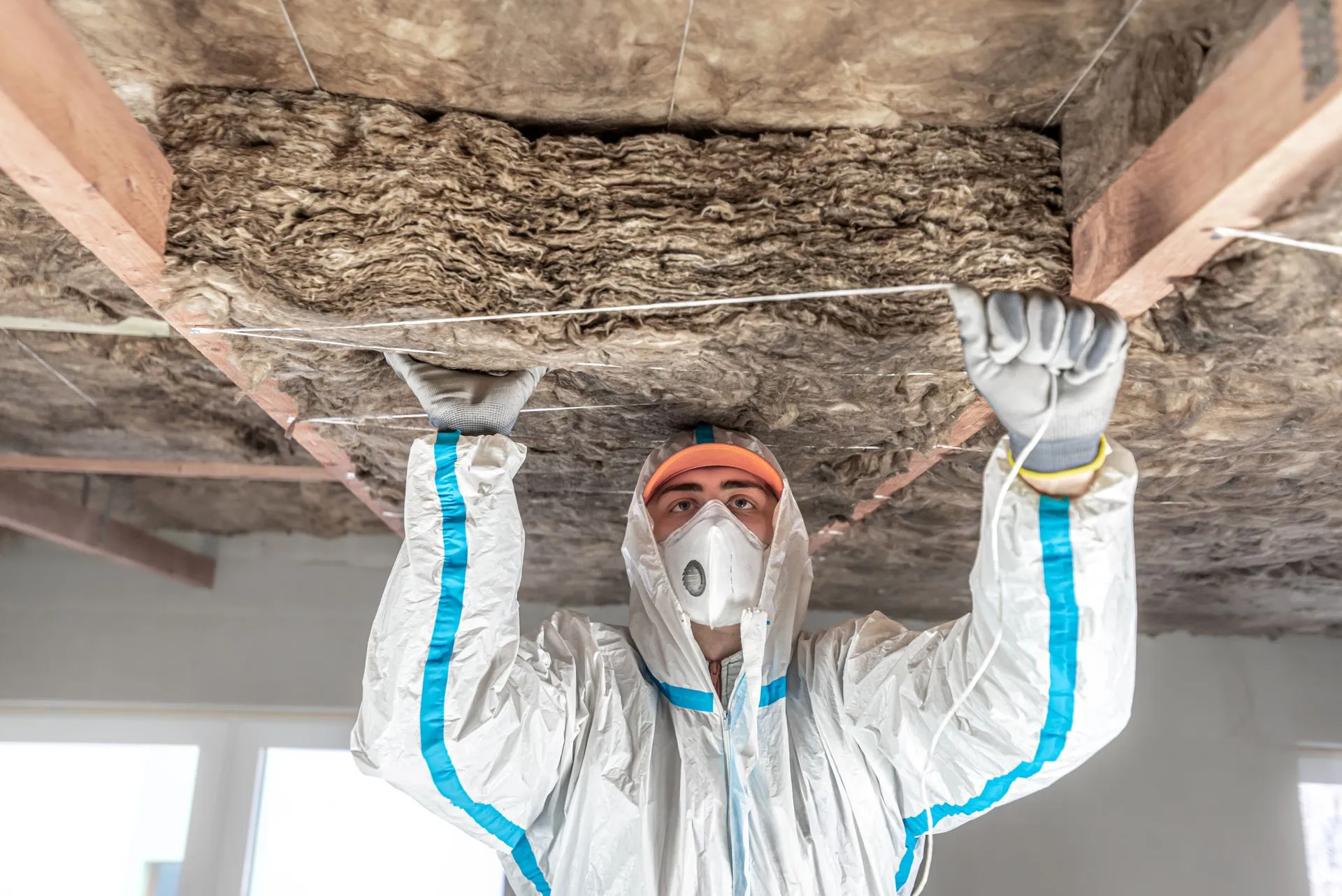
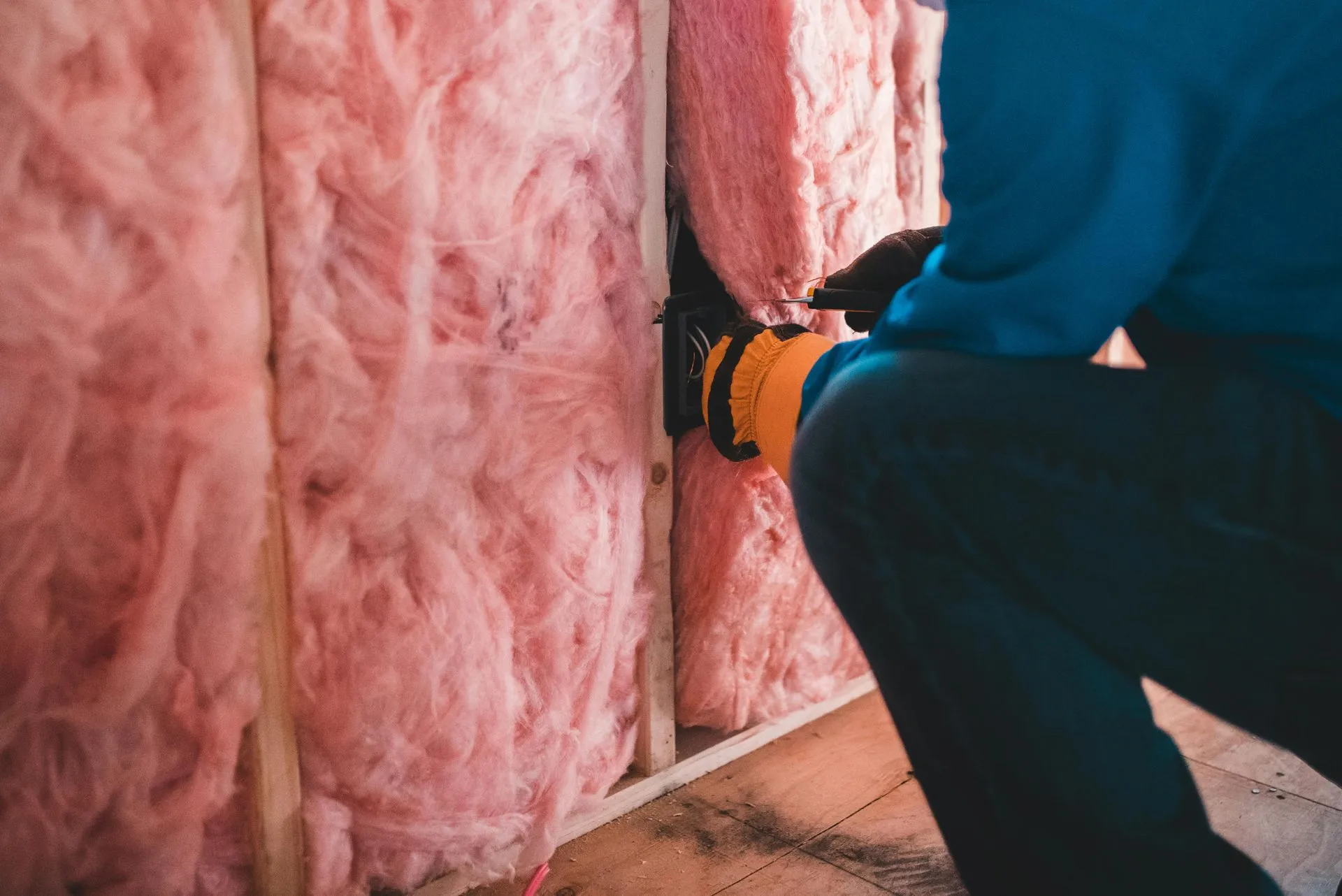
Spray foam insulation creates an air-tight seal that prevents air leaks, which can significantly reduce heating and cooling costs. Compared to traditional insulation, it offers a higher R-value per inch, meaning better thermal resistance and enhanced energy efficiency.
2. Moisture and Mold Resistance
One of the major concerns in home construction is moisture infiltration, which can lead to mold and mildew growth. Closed-cell spray foam acts as a moisture barrier, preventing water intrusion and reducing the risk of mold buildup.
3. Enhanced Indoor Air Quality
Because spray foam insulation seals gaps effectively, it helps keep out allergens, pollutants, and dust from entering your home. This offers significant advantages for individuals sensitive to allergens or those with breathing difficulties.
4. Increased Structural Strength
Closed-cell spray foam insulation adds rigidity to walls and roofs, reinforcing the structure of the home. This added strength makes your home more resistant to high winds and other environmental stresses.
5. Long-Term Cost Savings
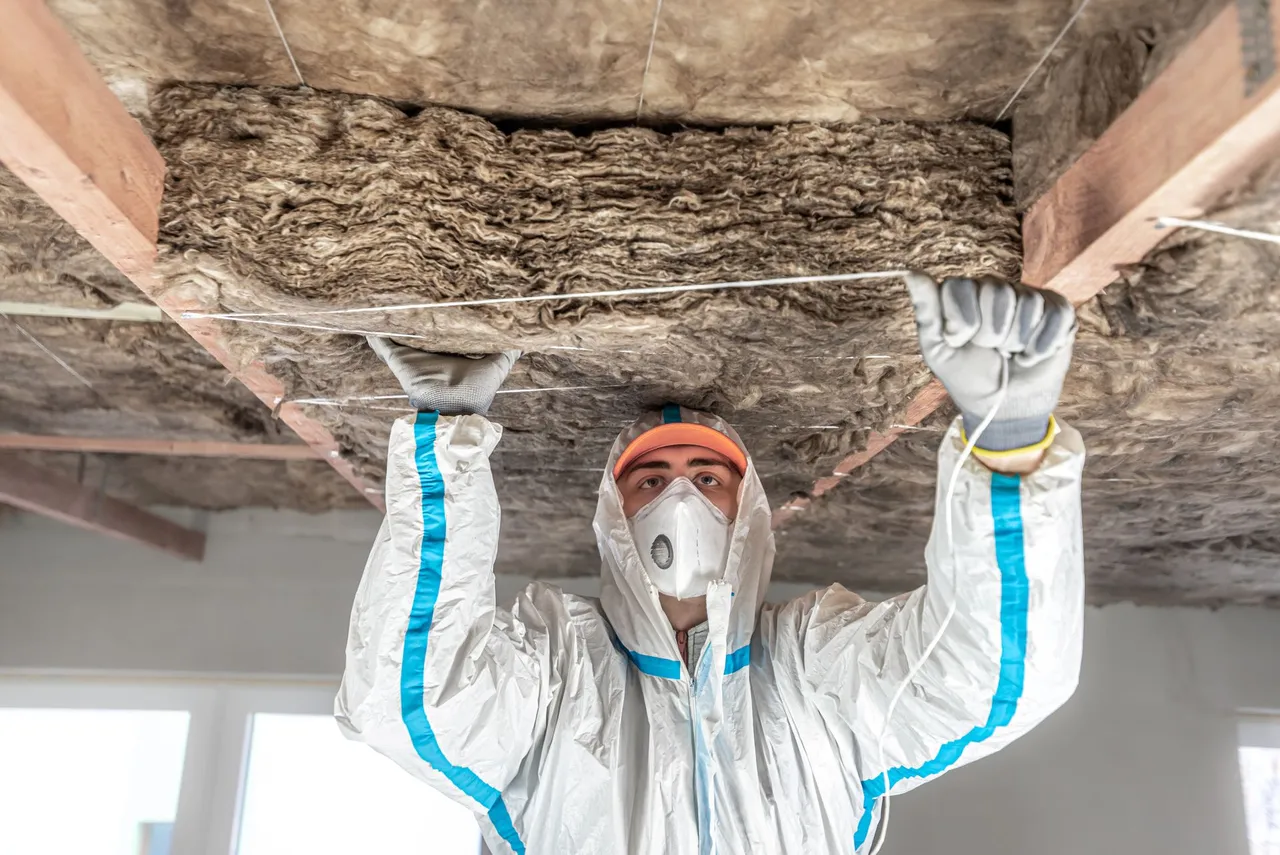
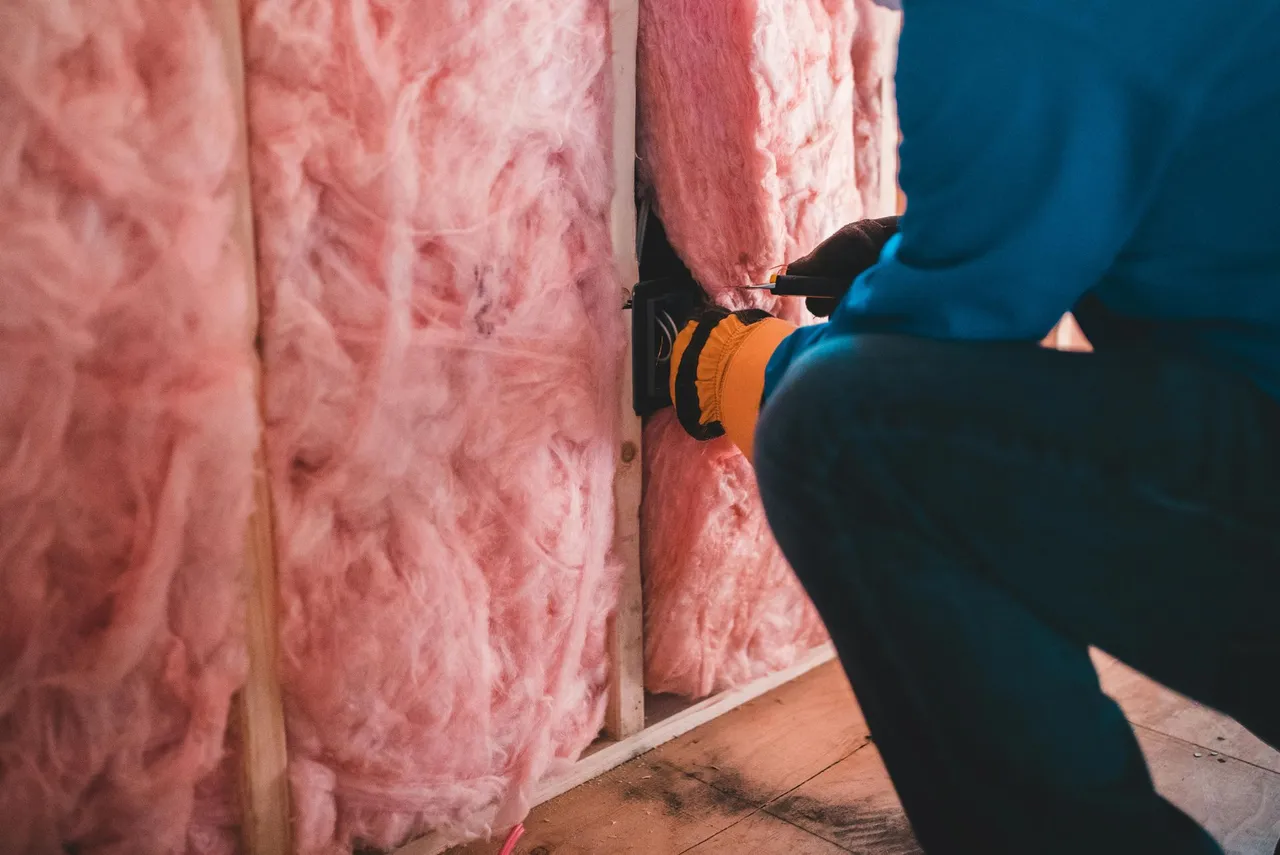
Although the initial cost of spray foam insulation for new construction may be higher than traditional materials, the long-term savings in energy costs and reduced maintenance make it a cost-effective investment. Many homeowners recover the upfront cost through lower utility bills over time.
Cost of Spray Foam Insulation for New Construction
The cost of spray foam insulation for new home construction varies depending on several factors, including the size of the home, the type of foam used, and the installation process. Here’s a breakdown of what you can expect:
- Open-Cell Spray Foam: Typically costs between $0.45 and $0.65 per board foot.
- Closed-Cell Spray Foam: Costs between $1.00 and $1.50 per board foot.
- Total Home Cost: The total cost to insulate an average-sized home (around 2,500 square feet) can range from $6,000 to $12,000.
While the upfront cost is higher compared to fiberglass or cellulose insulation, the long-term energy savings and durability make spray foam a worthwhile investment. Additionally, homeowners may qualify for energy efficiency tax credits or rebates that can help offset costs.
Where to Apply Spray Foam Insulation in a New Home
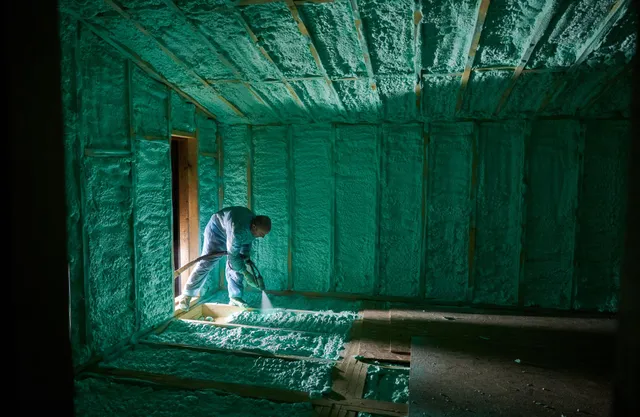
When installing new home spray foam insulation, it's essential to apply it in the right areas to maximize efficiency. Here are the key places where spray foam insulation should be installed:
1. Walls
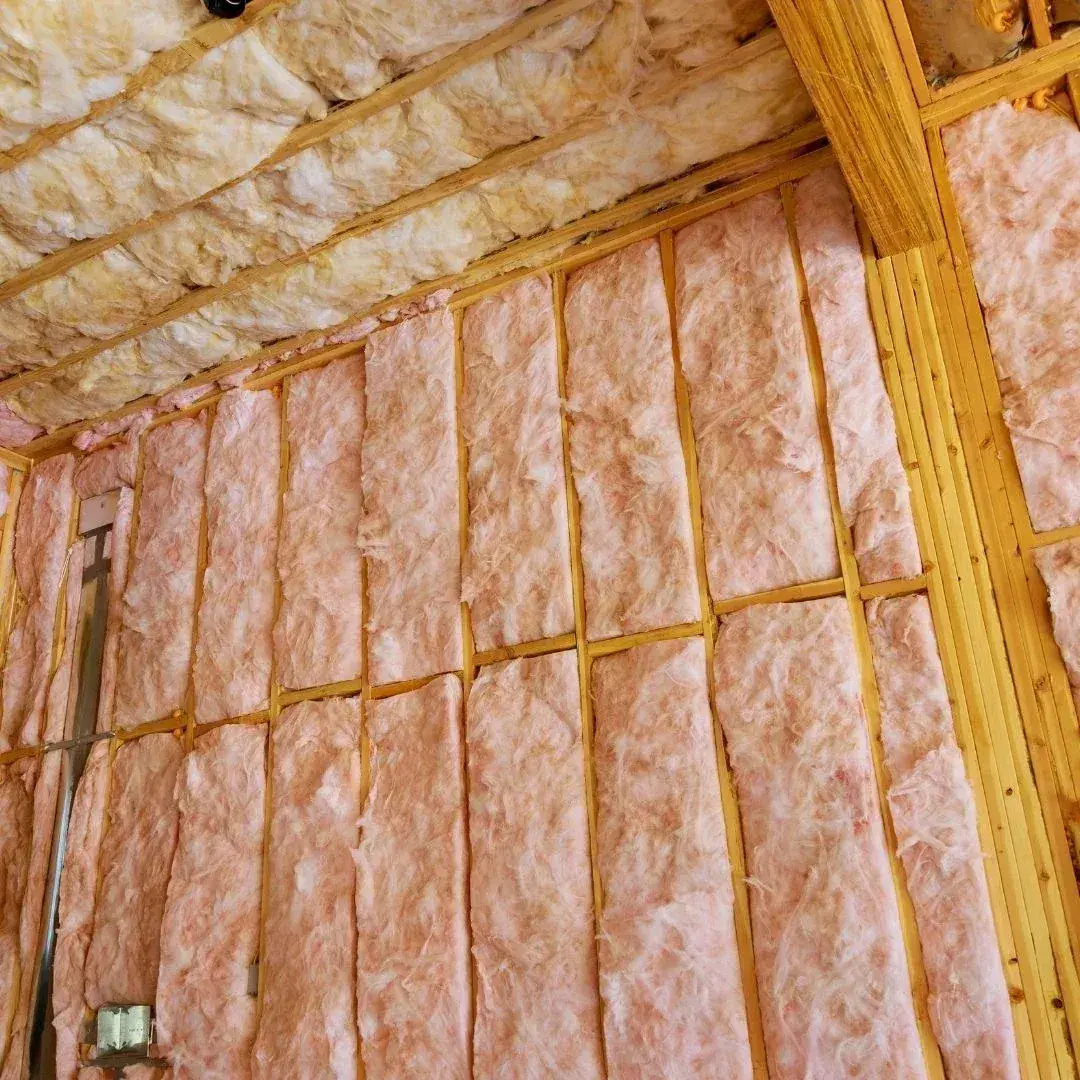
Both interior and exterior walls benefit from spray foam insulation. It prevents air leaks and provides excellent thermal resistance, keeping your home comfortable year-round.
2. Attics and Roofs
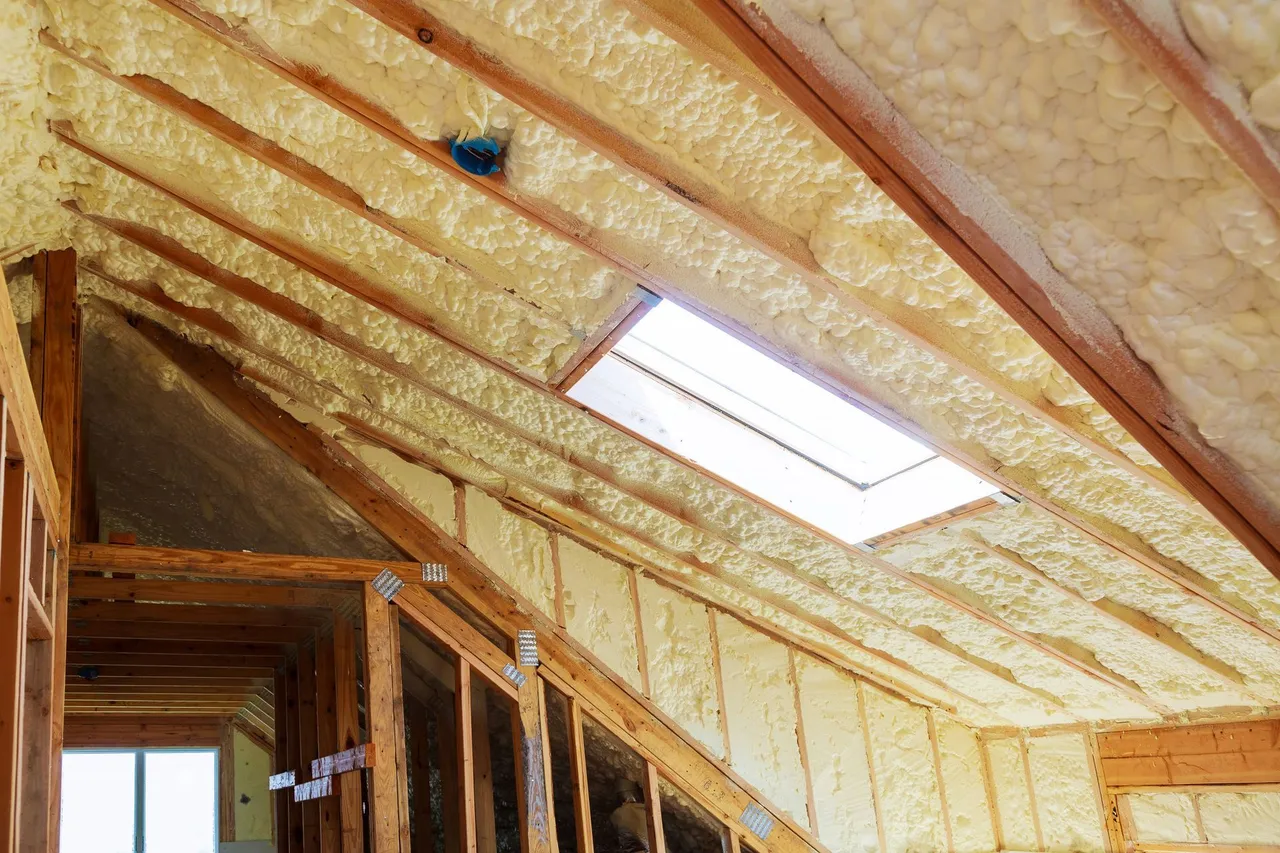
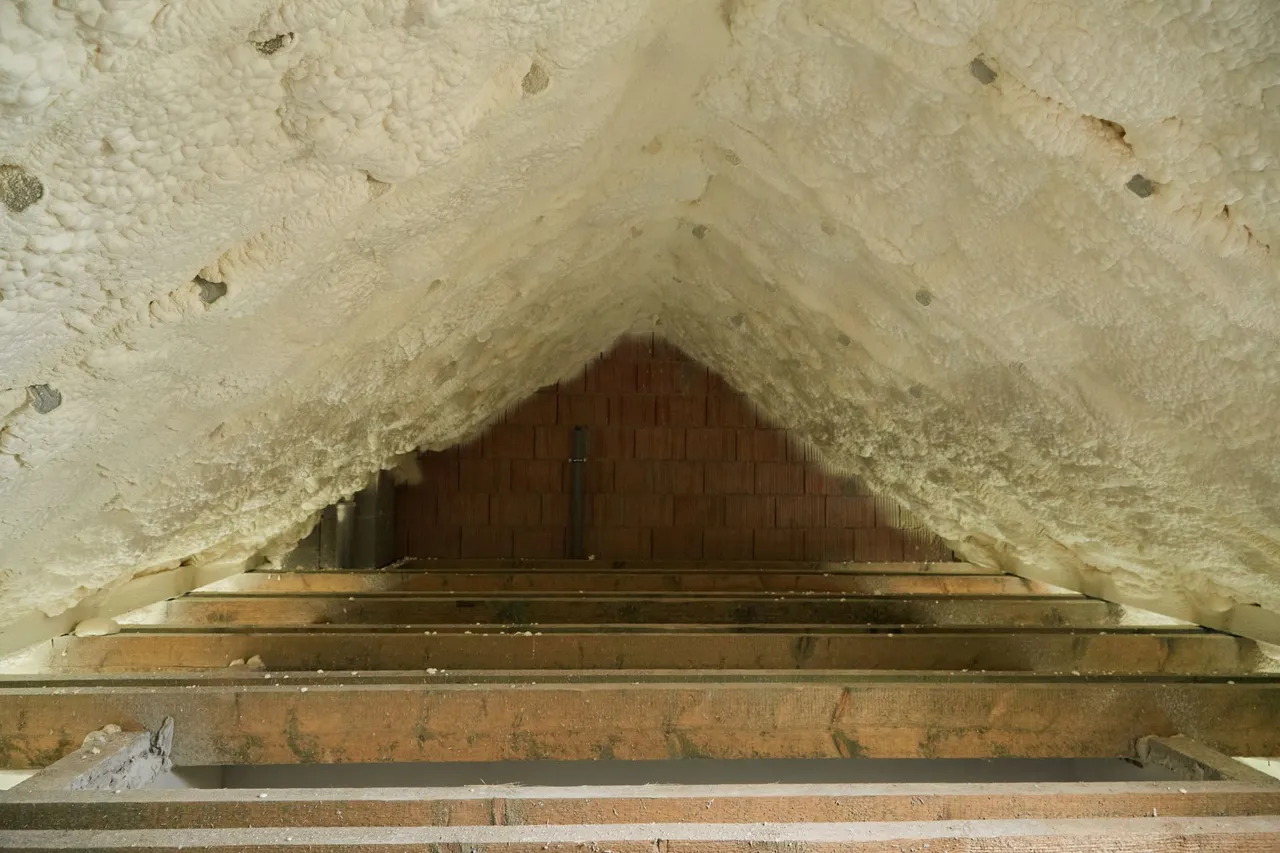
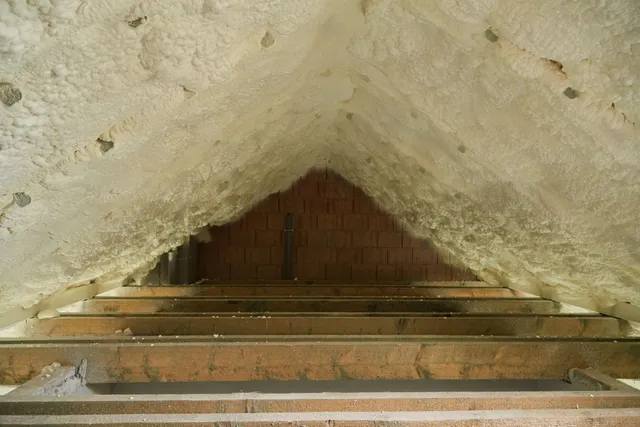
Applying spray foam insulation in attics and under the roof deck helps regulate indoor temperatures and prevents heat loss in winter and heat gain in summer.
3. Basements and Crawl Spaces
Insulating basements and crawl spaces with closed-cell spray foam prevents moisture buildup, reduces drafts, and enhances the structural integrity of the home.
4. Floors and Ceilings
For multi-story homes, insulating floors and ceilings can reduce noise transmission and improve overall comfort.
Choosing the Right Spray Foam Insulation Contractor
Selecting an experienced and reputable spray foam insulation contractor is essential for ensuring a successful installation. Here’s what to consider when hiring a contractor:
- Experience and Certification: Choose a contractor with extensive experience in spray foam insulation for new home construction.
- Quality Materials: Ensure they use high-quality spray foam that meets industry standards.
- Proper Licensing and Insurance: The contractor should be licensed, insured, and adhere to all local building codes.
- Customer Reviews and Testimonials: Check online reviews and ask for references to gauge customer satisfaction.
Contact Duralock Spray Foam for Expert Insulation Services in Plainview, TX
If you're building a new home in Plainview, TX, and want the best insulation solution,
Duralock Spray Foam is here to help. Our team specializes in high-quality spray foam insulation for
new home construction, ensuring superior energy efficiency, comfort, and durability. We also provide insulation for
existing buildings,
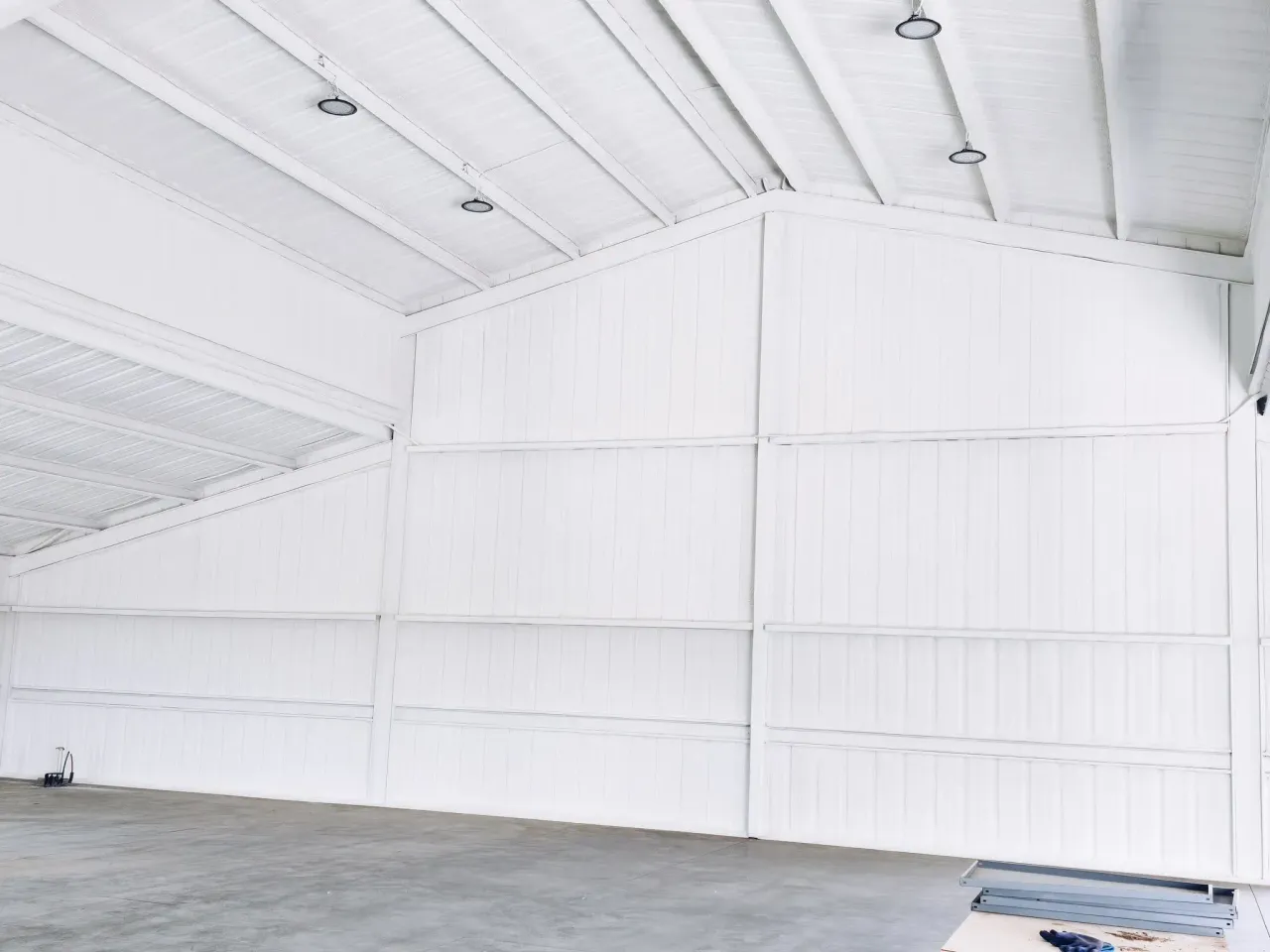
metal builds,
commercial roofs, and more.
Don't settle for outdated insulation methods—choose spray foam for long-lasting benefits. Call us today at
(806) 685-0609 to schedule a consultation and get a free estimate!
FAQs
Is spray foam insulation worth the cost for new home construction?
Yes! Although the initial cost of spray foam insulation is higher, its energy efficiency, moisture resistance, and durability make it a cost-effective investment that pays for itself over time.
How long does spray foam insulation last?
Spray foam insulation can last for the lifetime of the home if properly installed. Unlike traditional insulation, it does not sag or deteriorate over time.
Can spray foam insulation be installed in an existing home?
Yes, spray foam can be applied in existing homes, but the process may require removing old insulation. It's commonly used in renovations and retrofits.
What’s the difference between open-cell and closed-cell spray foam?
Open-cell foam is lighter and provides soundproofing, while closed-cell foam is denser, more rigid, and has a higher R-value for better insulation.
How soon can I move into my home after spray foam installation?
It’s recommended to wait at least 24 hours after installation to allow the foam to fully cure and off-gas any residual chemicals.