

Choosing Fiberglass vs. Spray Foam Insulation for Your Home
When it comes to keeping your home comfortable and energy-efficient, insulation plays one of the most important roles. The right insulation helps maintain consistent indoor temperatures, lowers energy bills, and protects your home from outside noise and moisture. But with multiple options on the market, many homeowners wonder:
Should you choose
fiberglass insulation or
spray foam insulation?
At
Duralock Spray Foam, we help families across Plainview, TX, navigate this decision every day. Both materials have advantages, but the right choice depends on your goals, your home’s structure, and your budget. This guide breaks down everything you need to know about fiberglass versus spray foam so you can make the best decision for your property.
Understanding Fiberglass Insulation
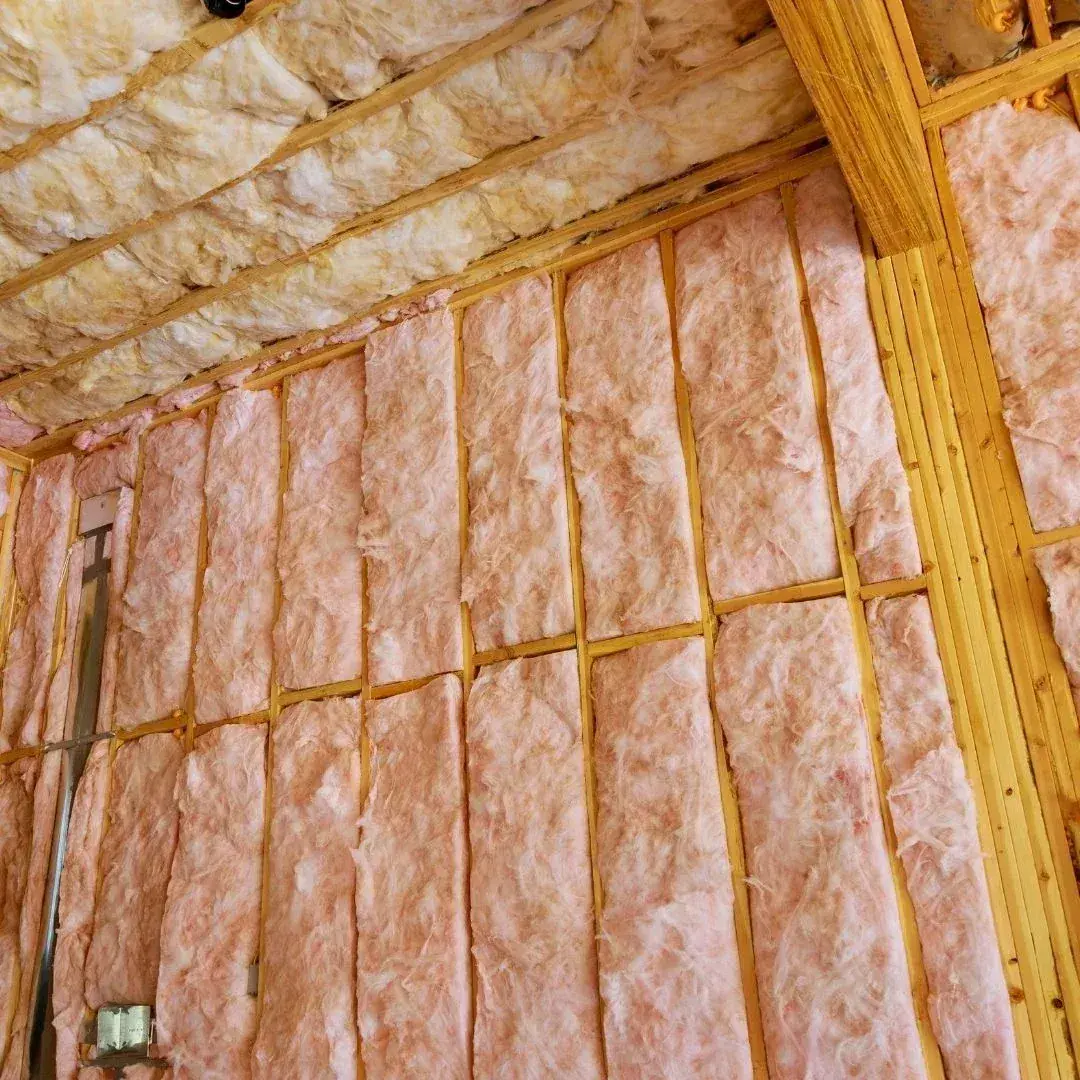
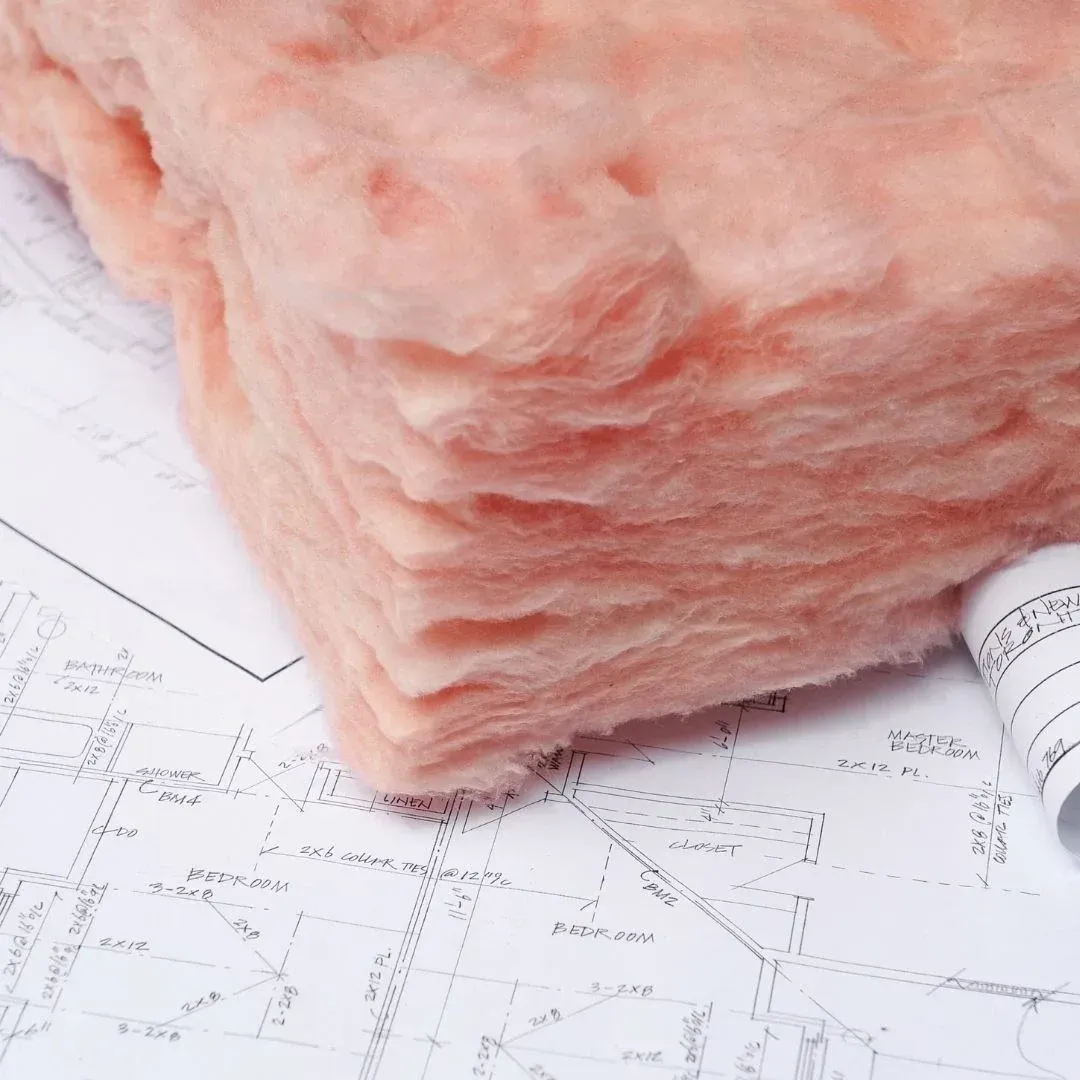
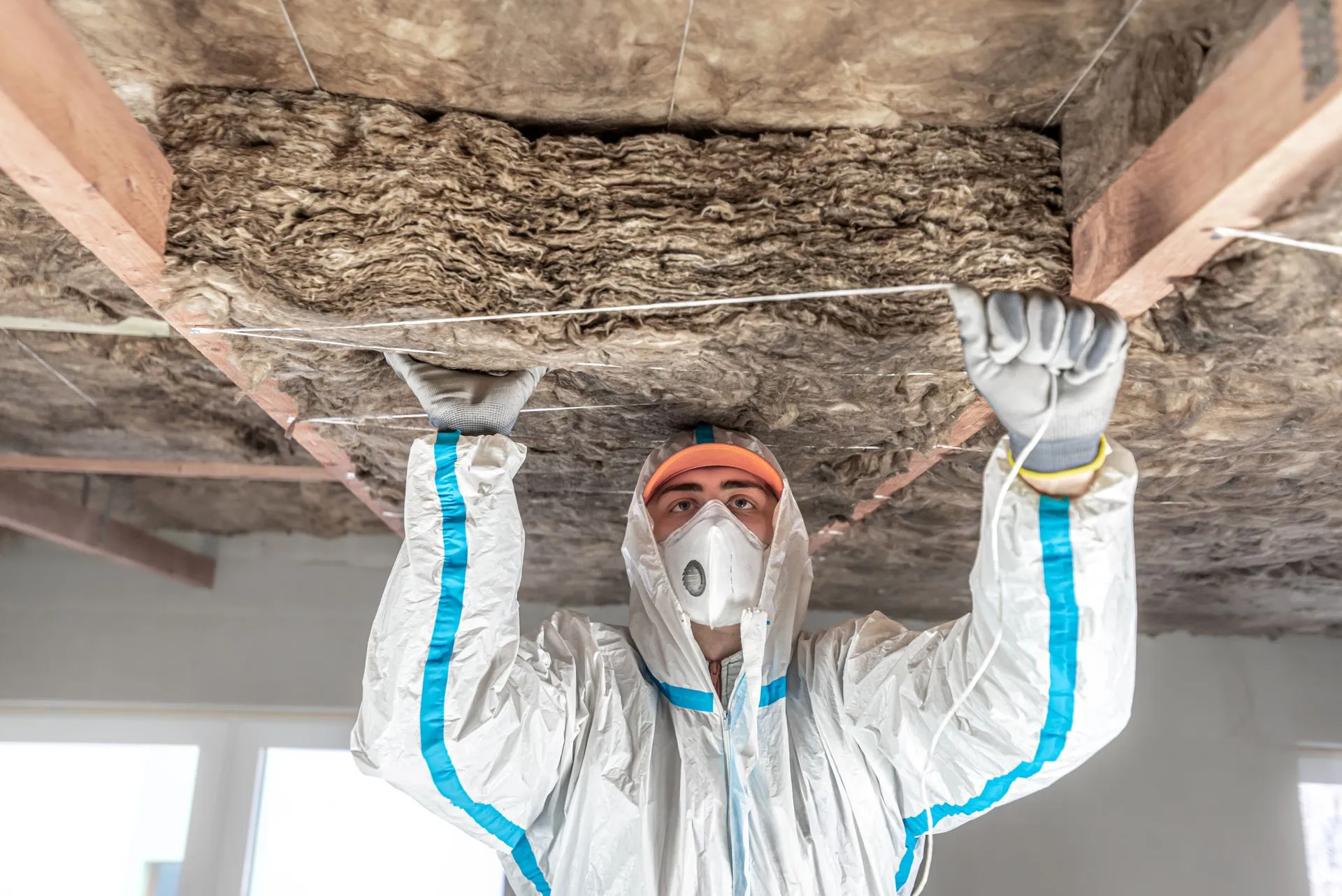
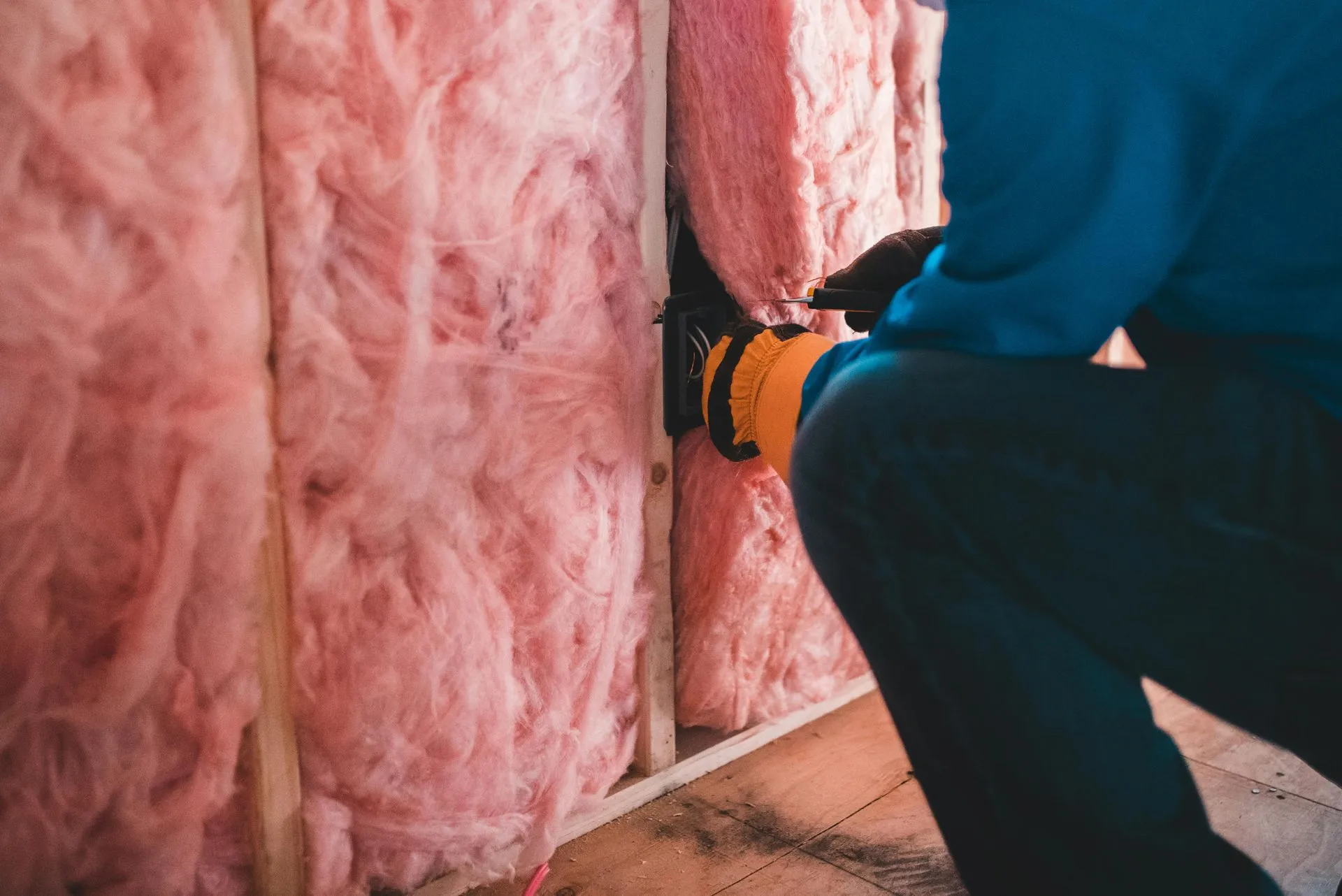
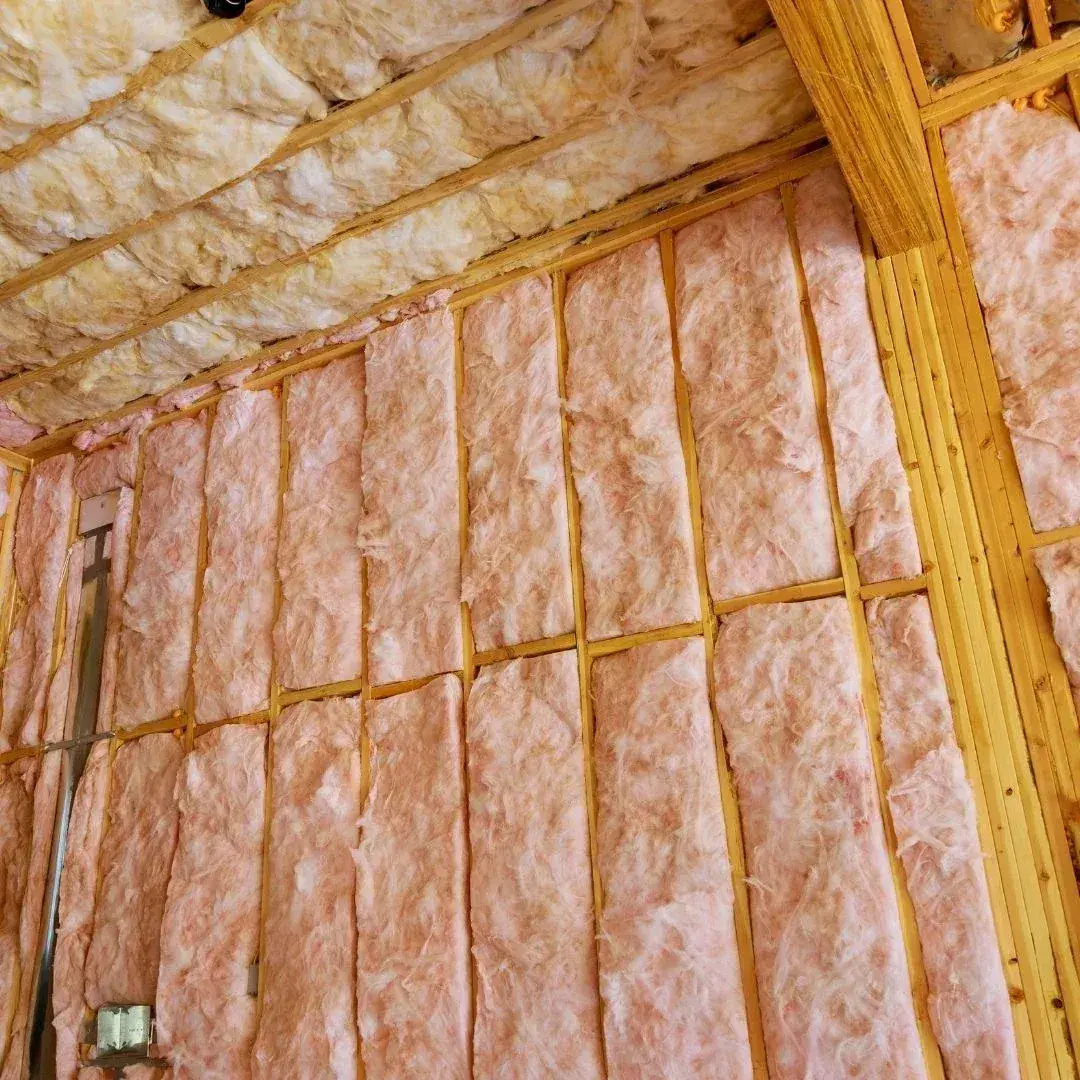
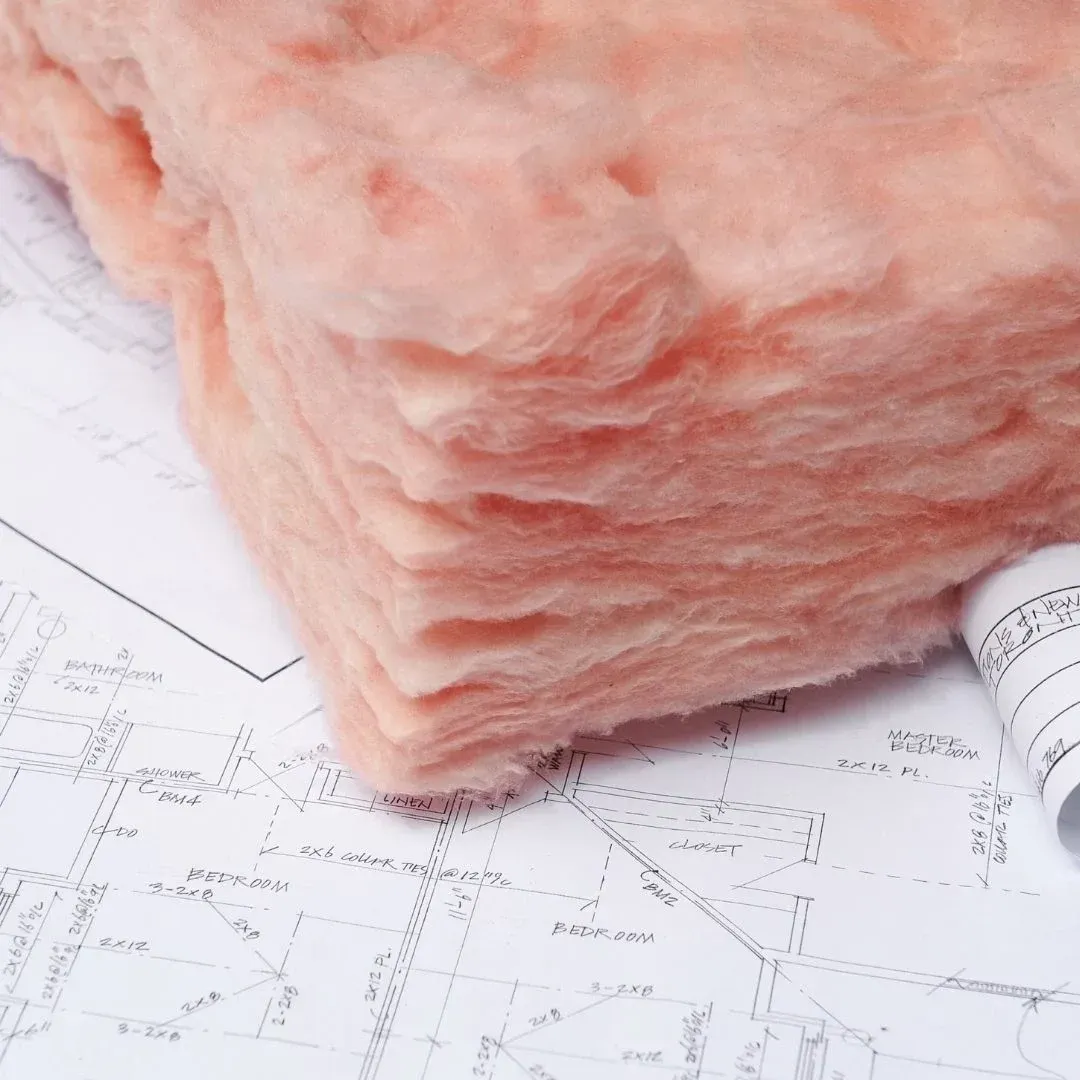
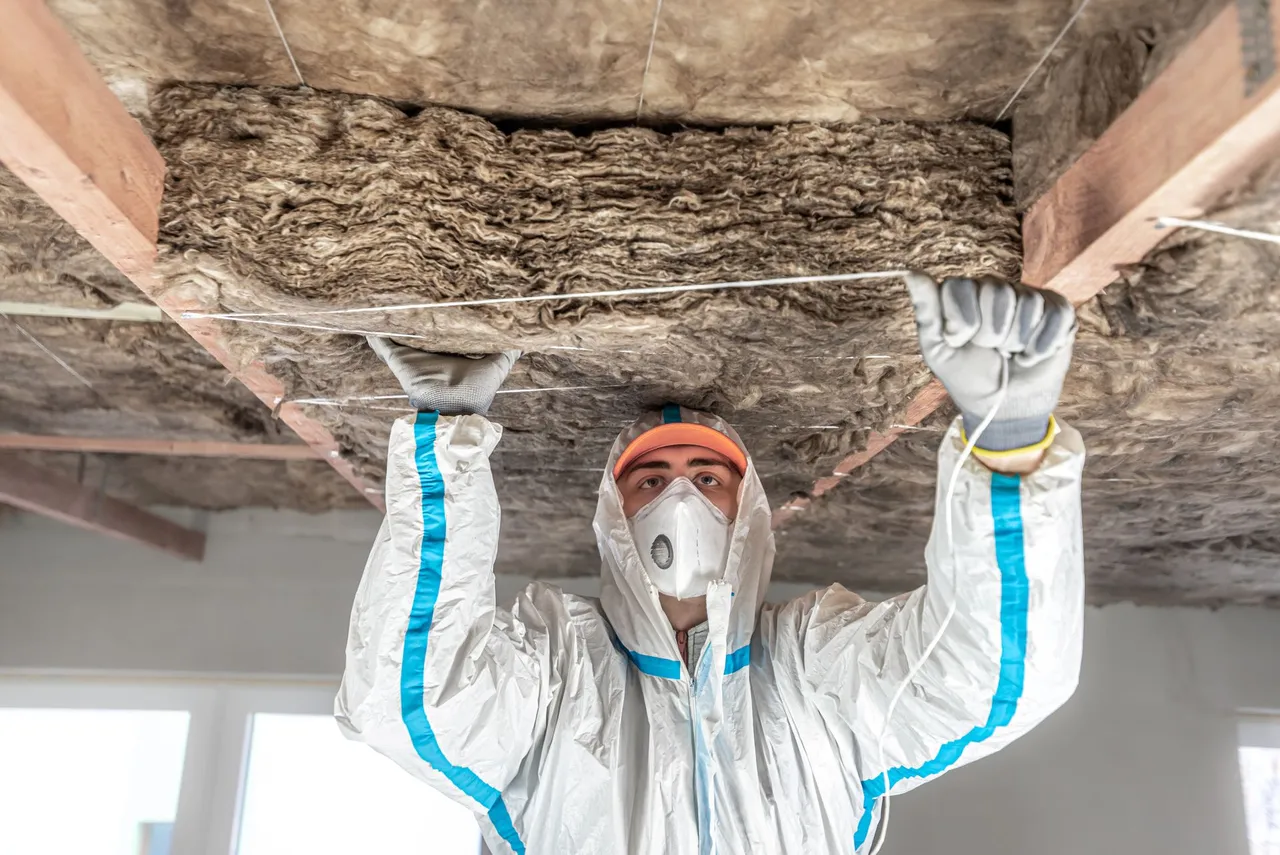
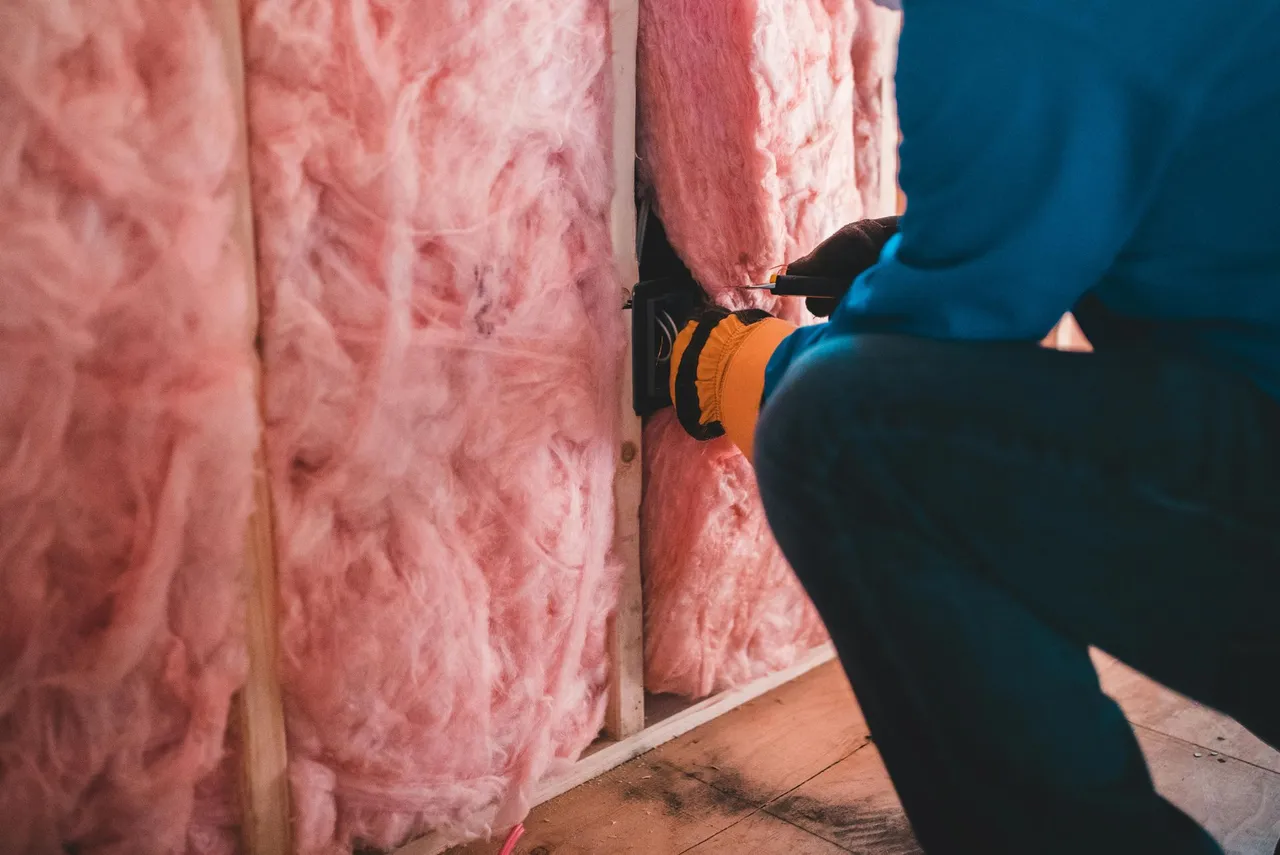
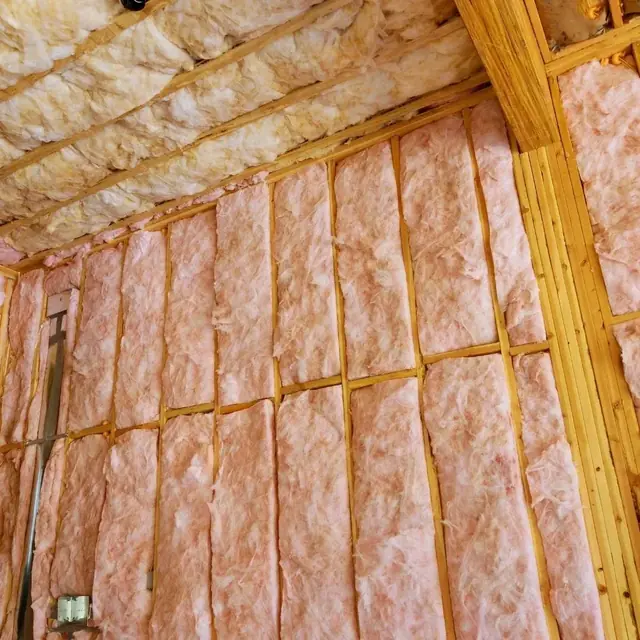
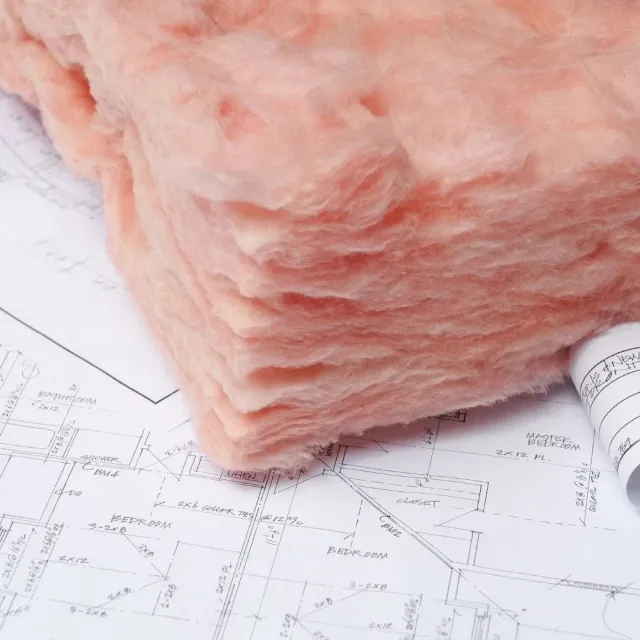
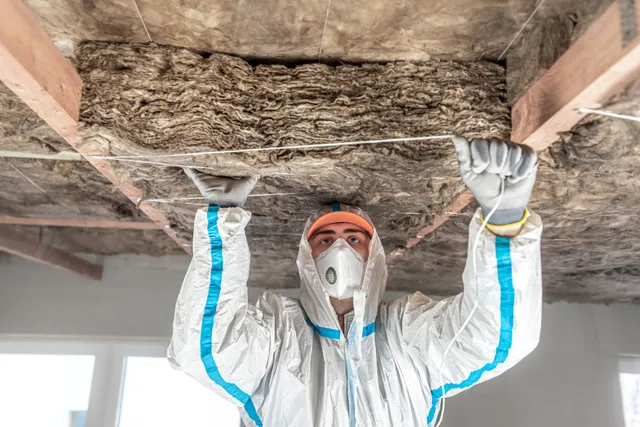
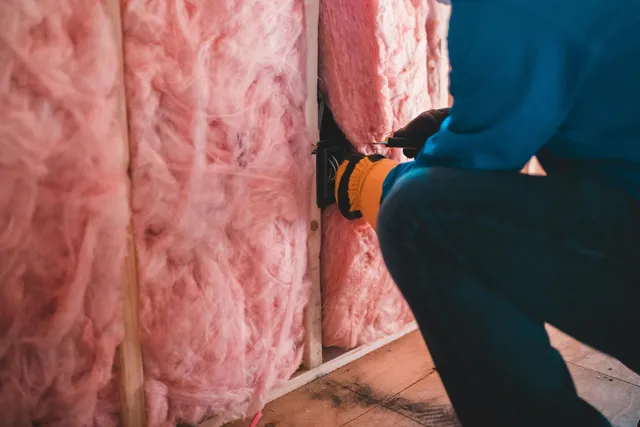
Fiberglass insulation has been a household staple for decades. It’s created from tiny glass fibers that trap air, which slows the transfer of heat. Typically sold in batts, rolls, or blown-in loose-fill, it is widely used in attics, walls, and crawl spaces.
Homeowners often choose to
install fiberglass insulation because it is:
- Cost-effective: Fiberglass has one of the lowest upfront costs of any insulation material.
- Widely available: Nearly every fiberglass insulation company carries it in multiple forms.
- Non-combustible: Made of glass, it does not burn and provides extra fire resistance.
- Easy to replace or top-up: Adding more fiberglass insulation in the future is a straightforward project.
However, fiberglass does have some drawbacks. It is prone to gaps if not installed carefully, which can reduce efficiency. It also allows some air movement, meaning drafts and energy loss may still occur. In humid climates, moisture buildup can reduce its effectiveness and increase the risk of mold.
For Plainview, TX homeowners on a budget, fiberglass is often a good starting point—but professional installation is key. Poorly fitted fiberglass can reduce energy efficiency by up to 30%. That’s why searching for fiberglass insulation contractors near me is often the smartest way to get reliable results.
Advantages of Spray Foam Insulation
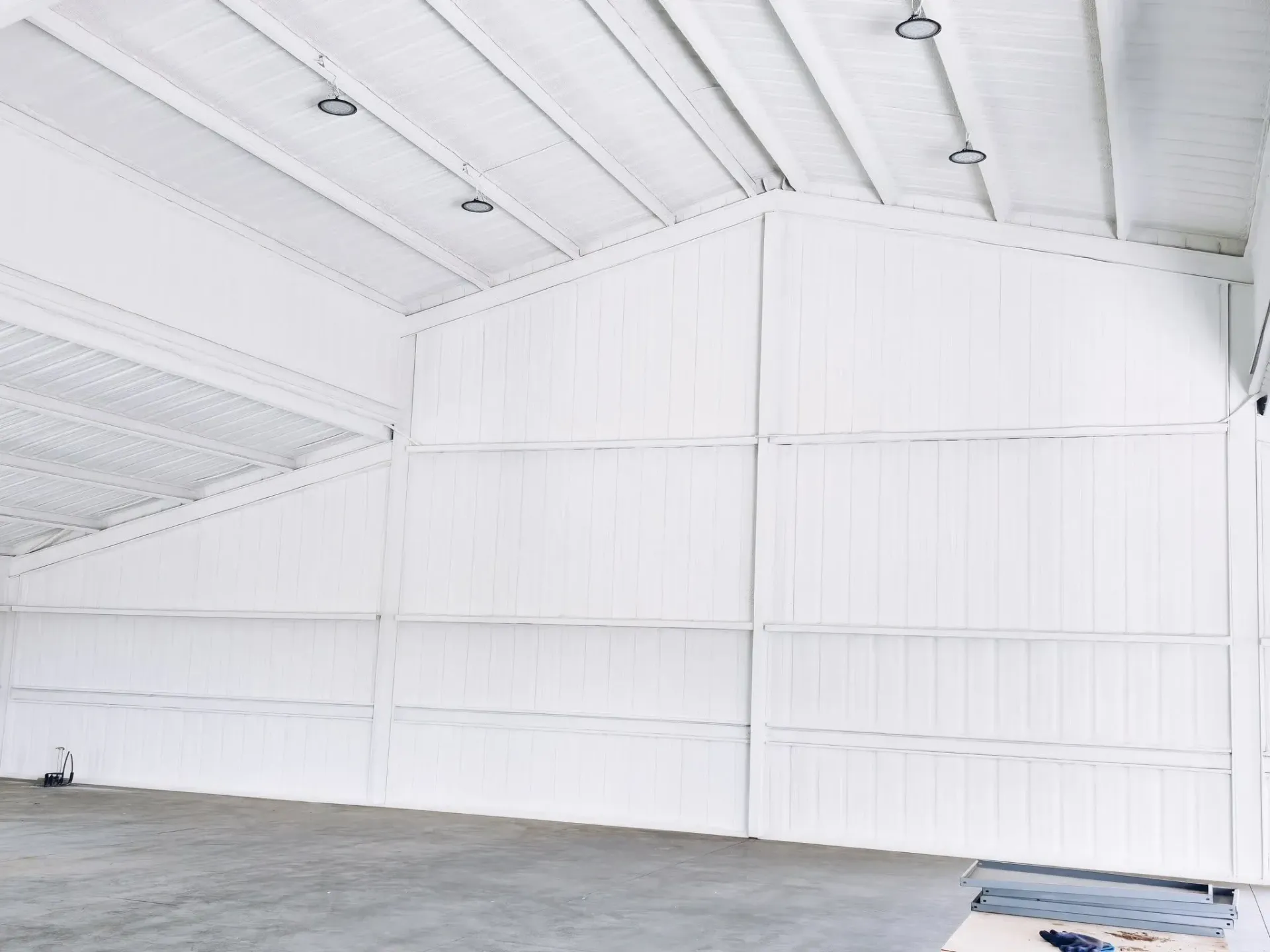
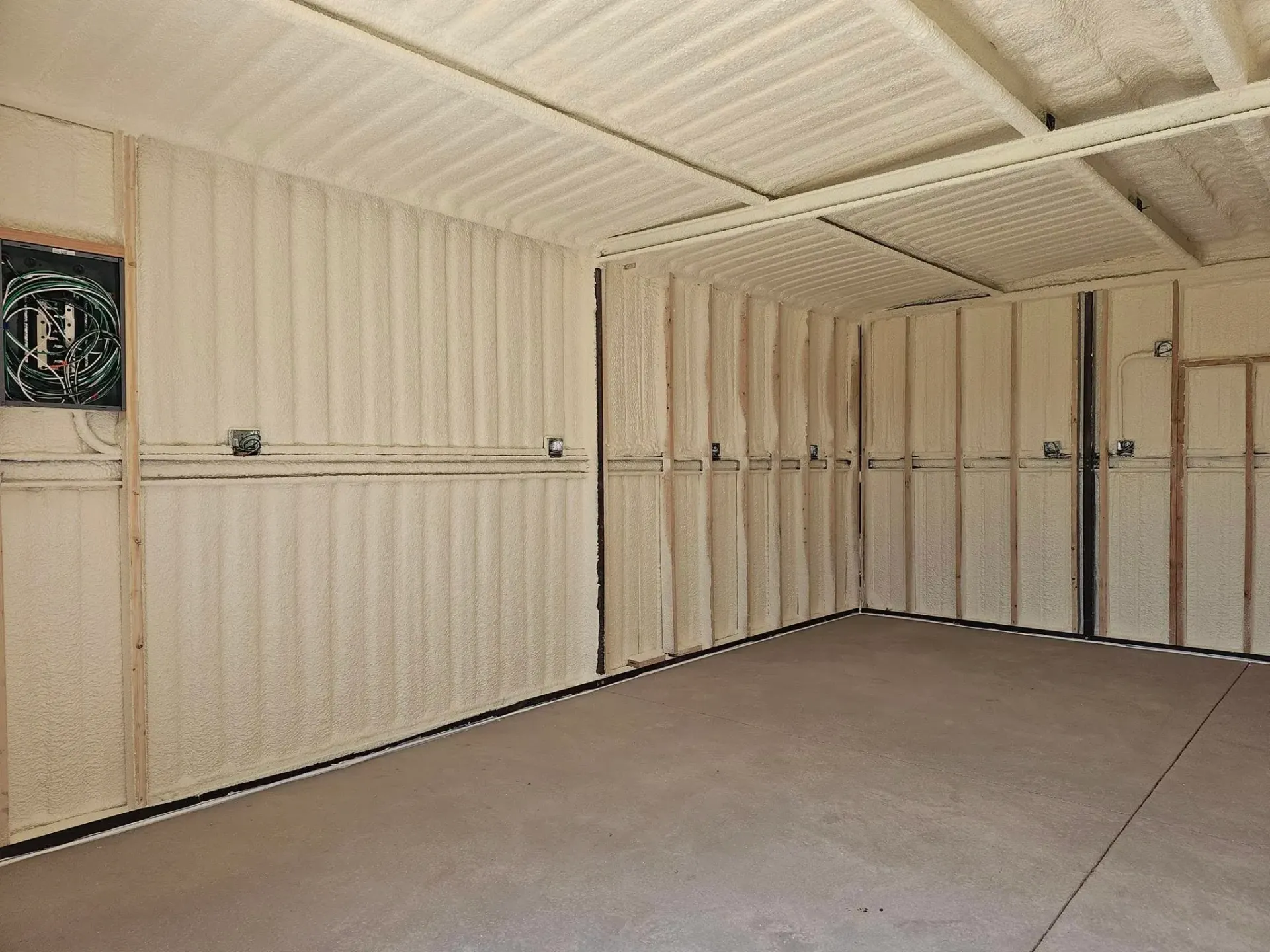
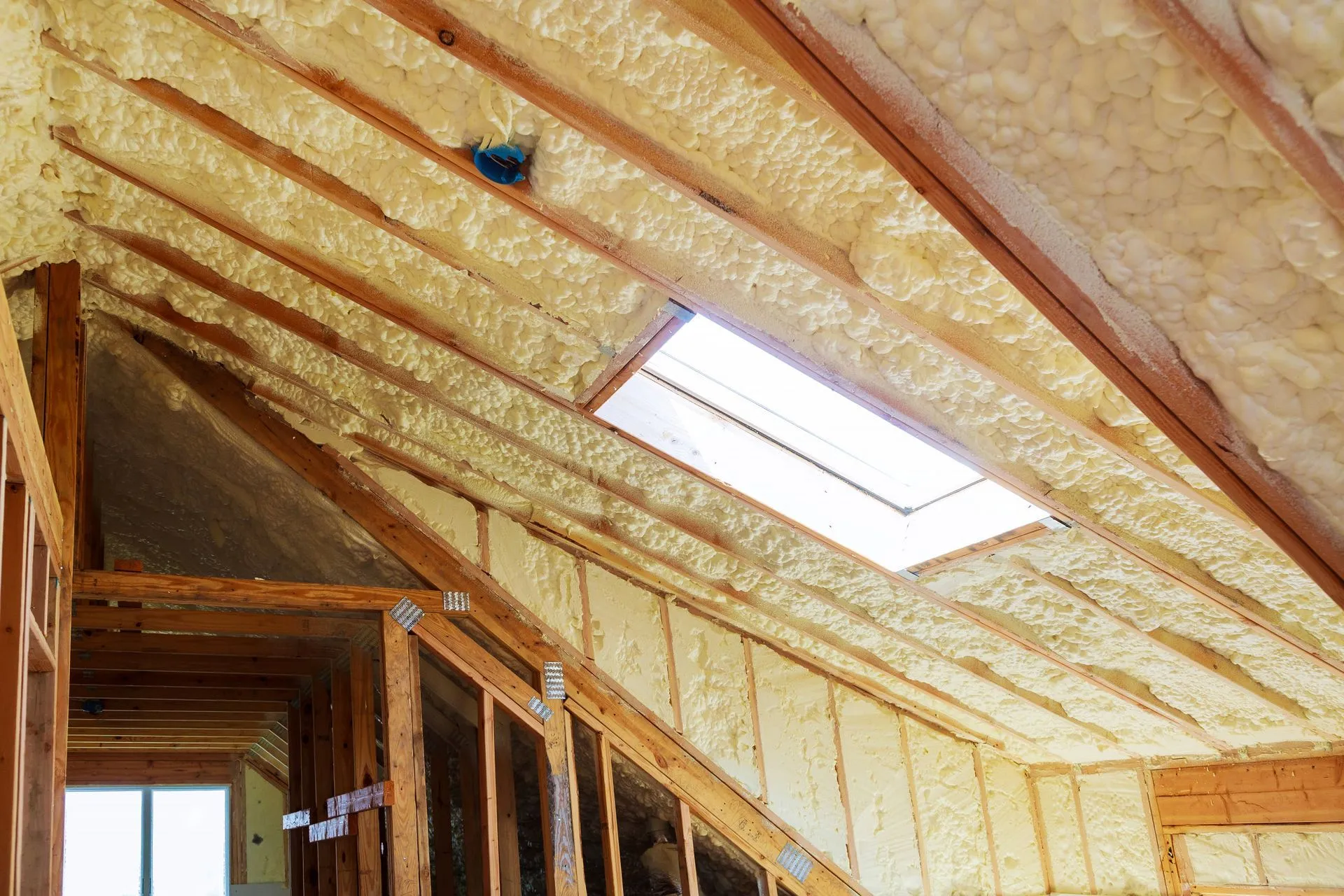
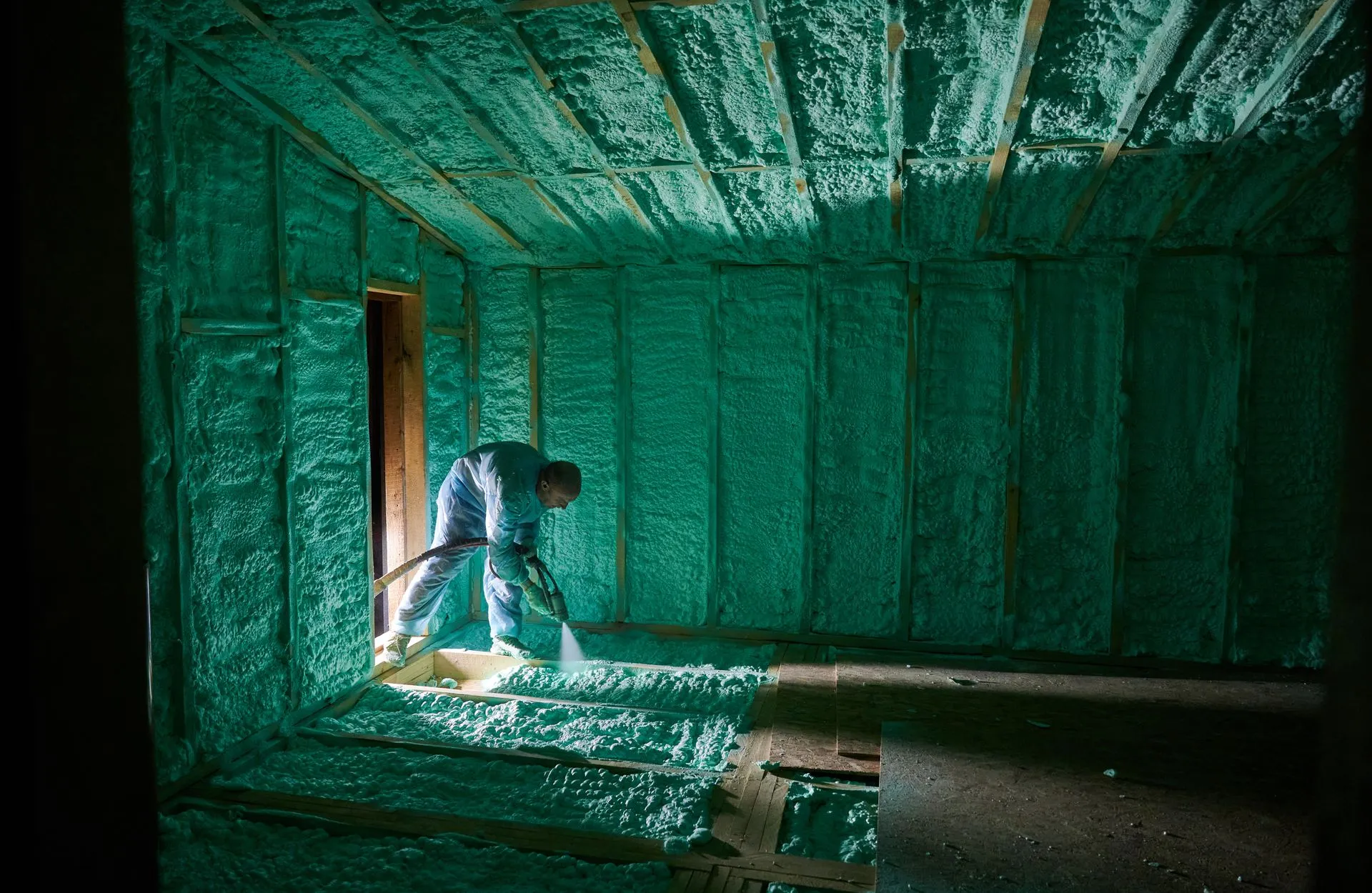
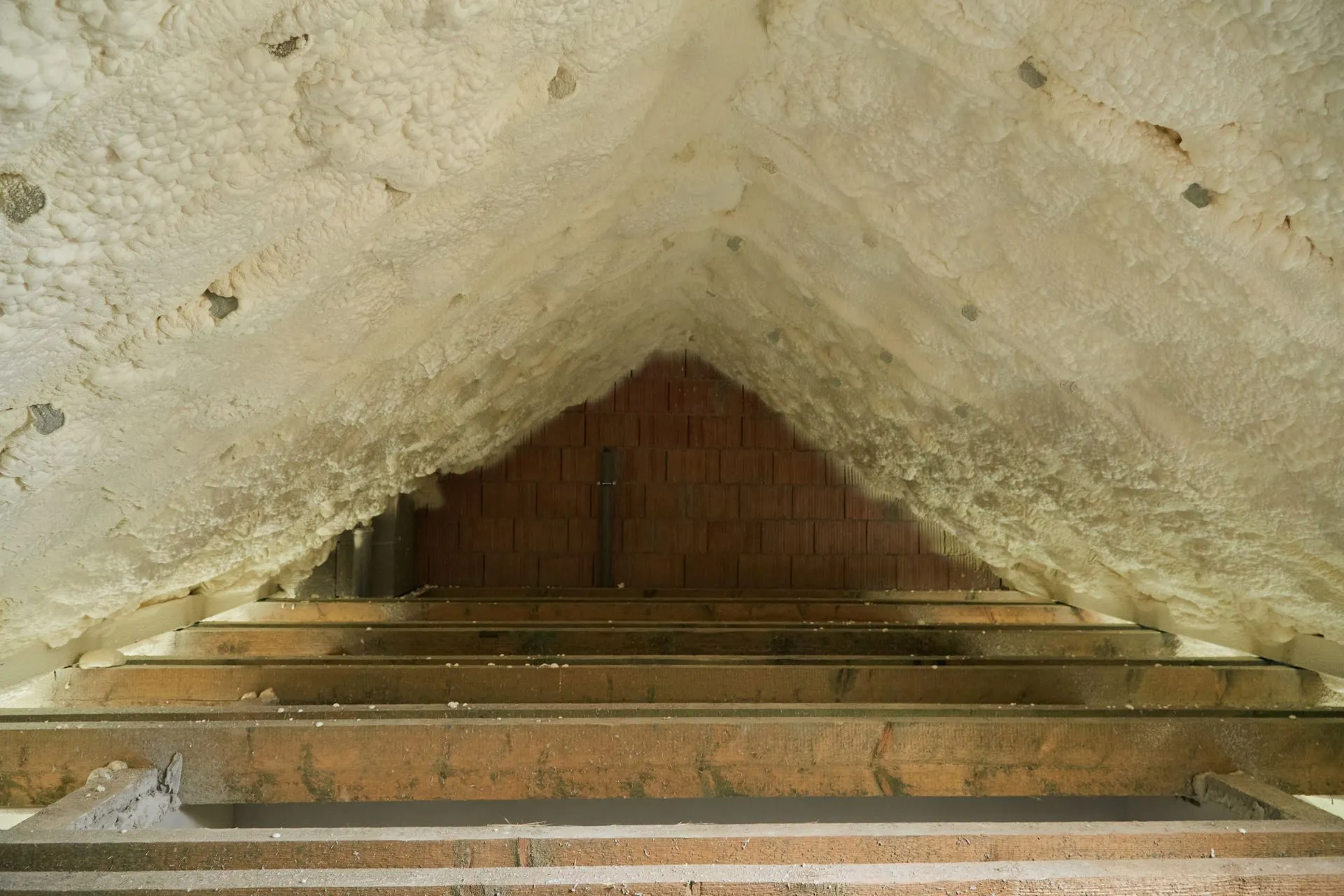
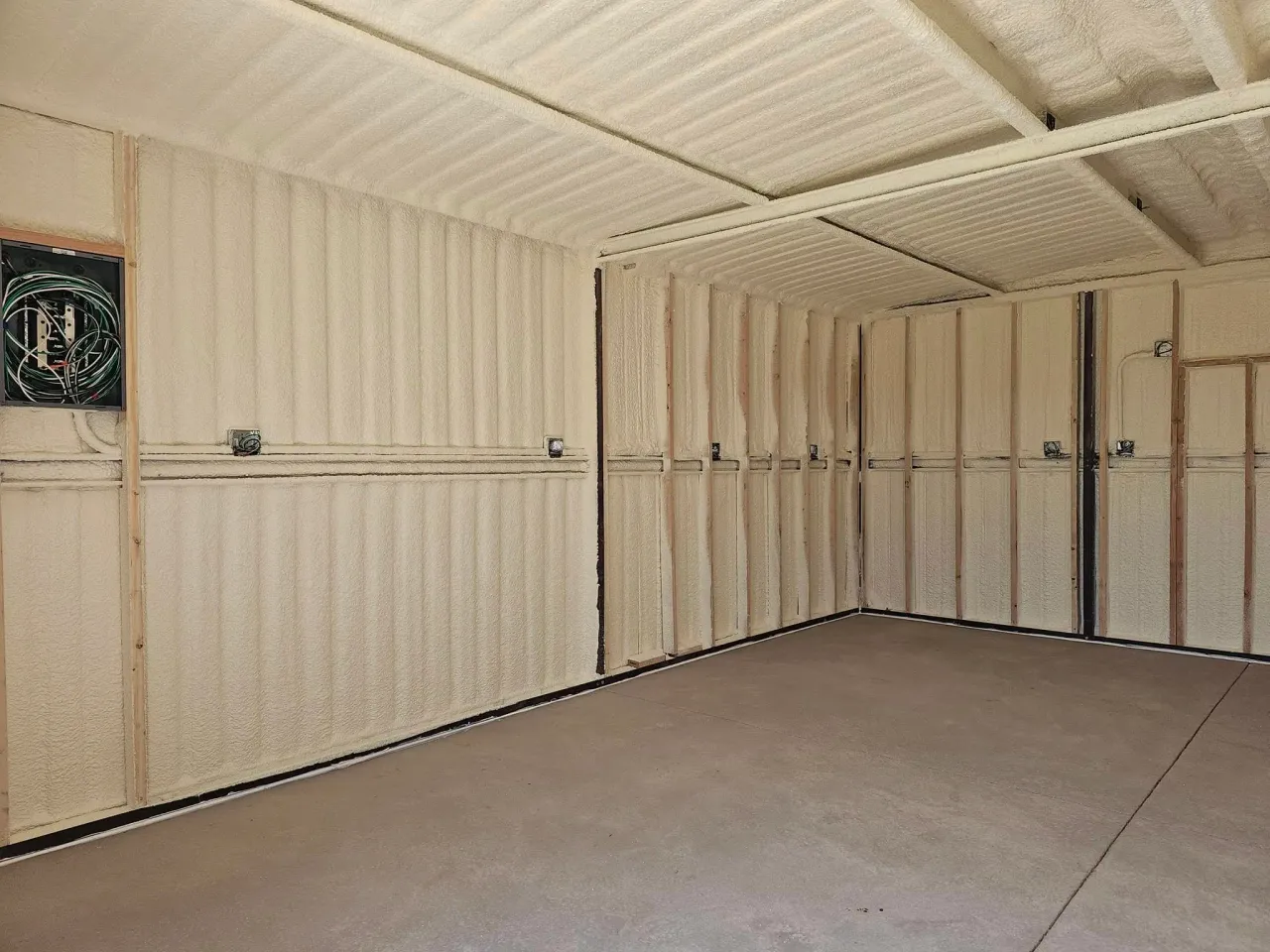
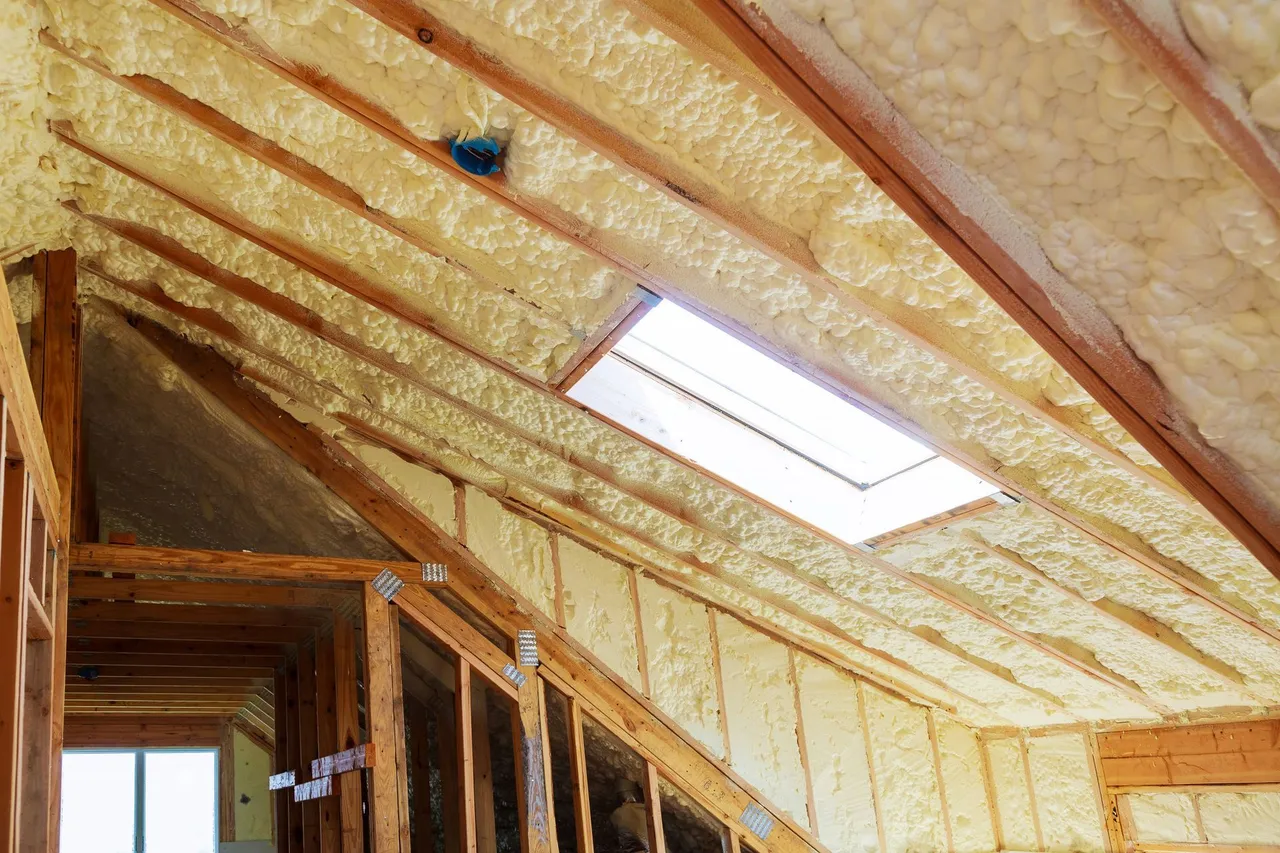
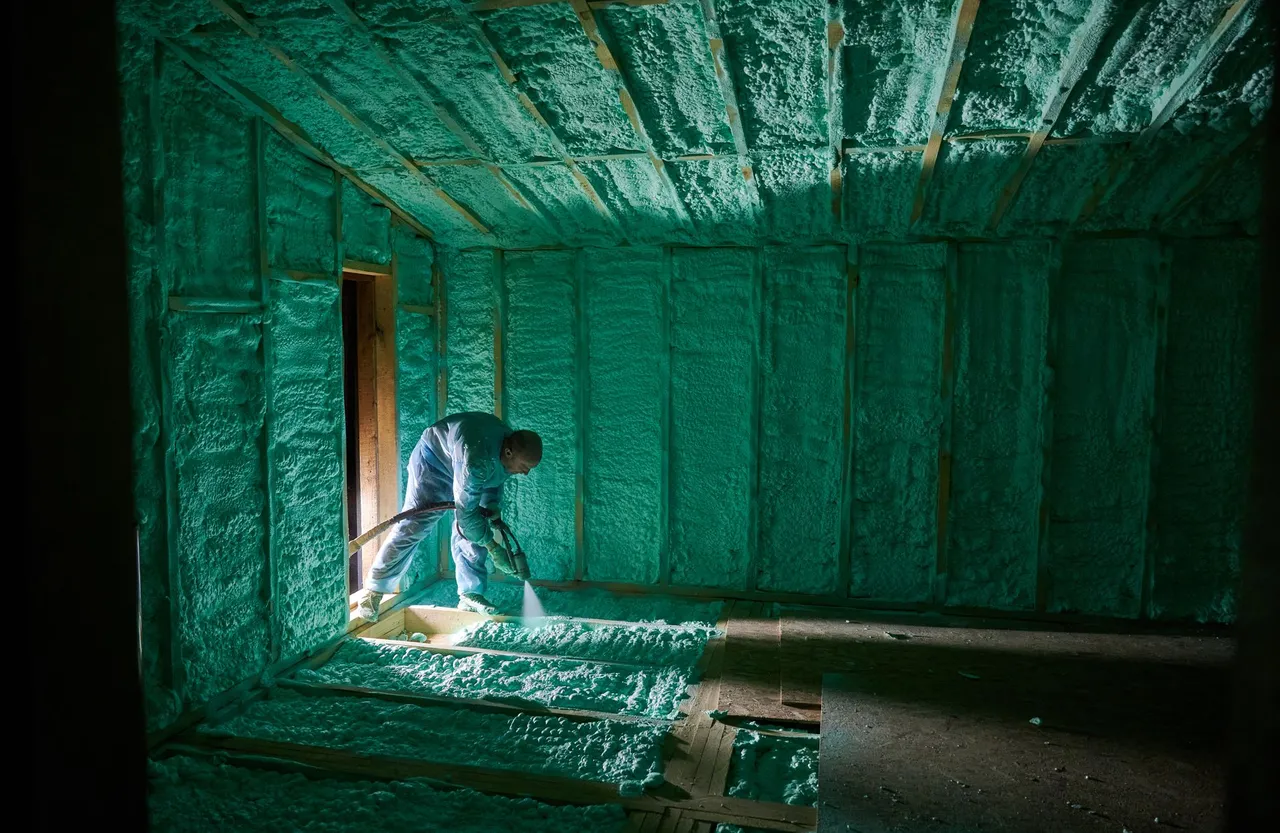
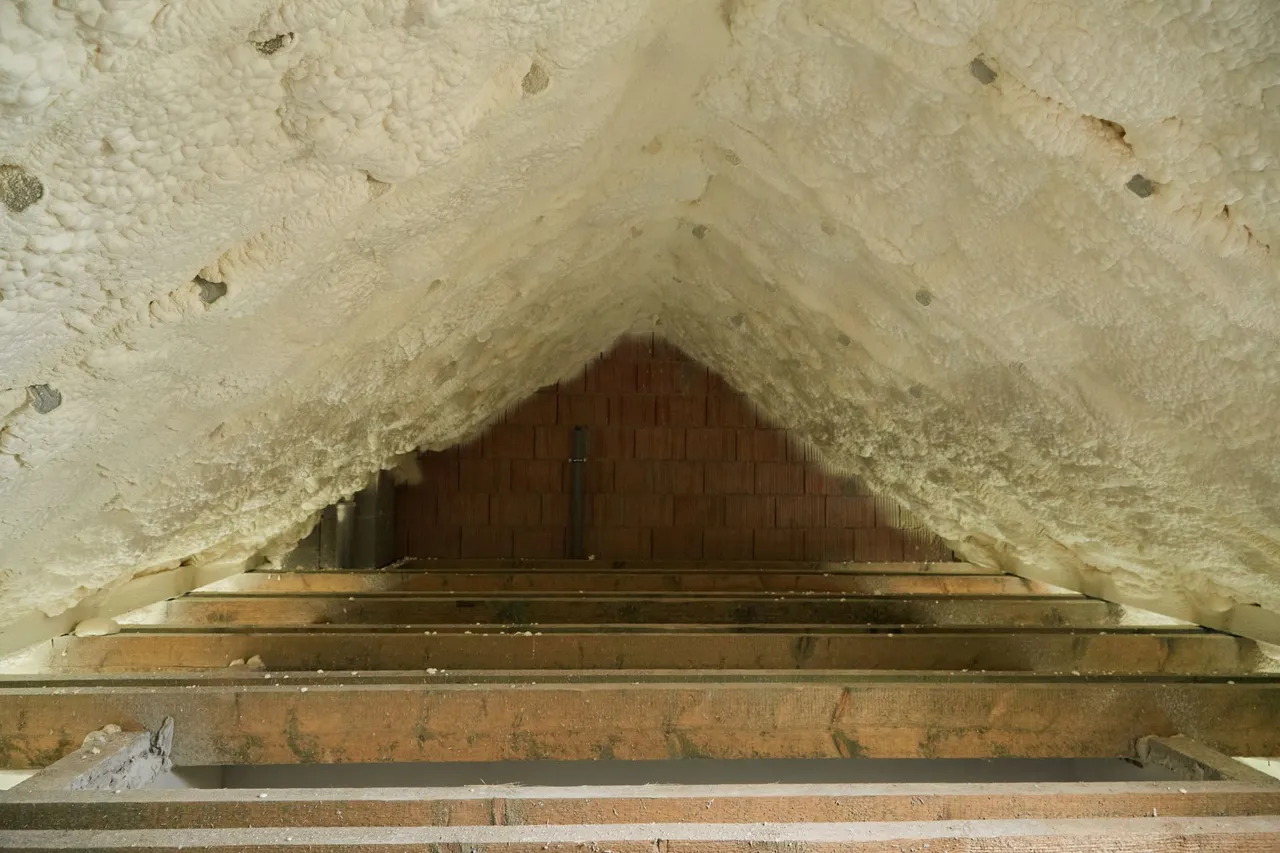
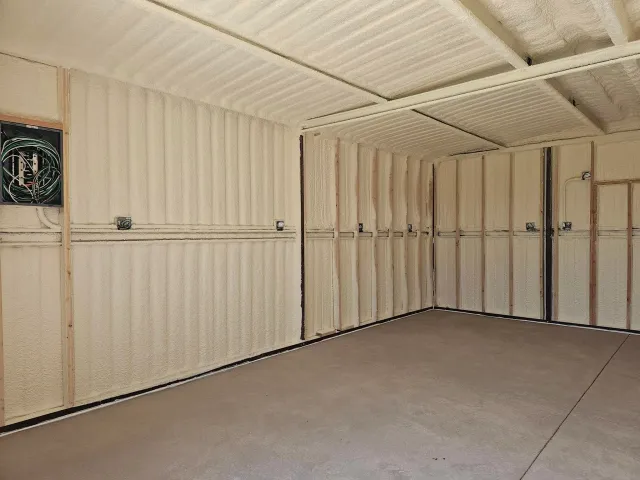
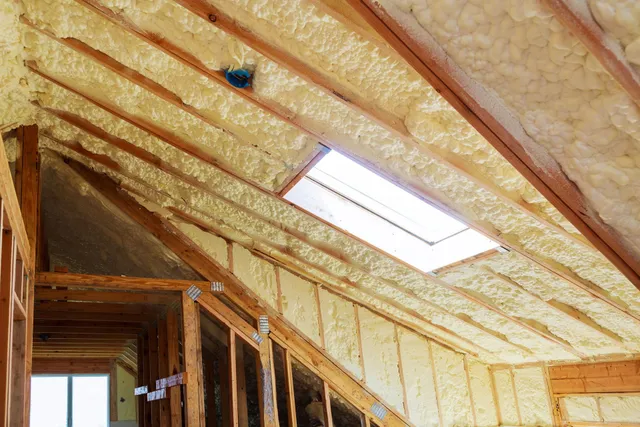
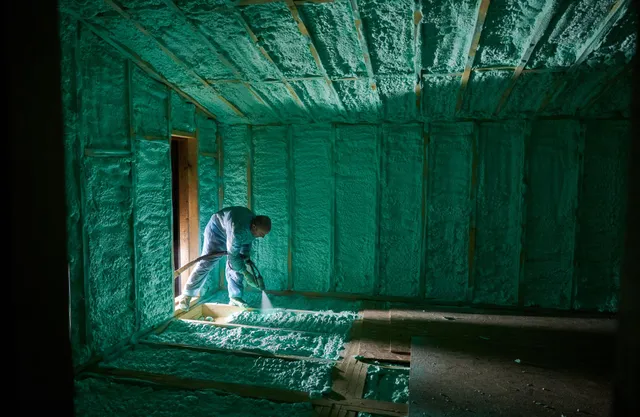
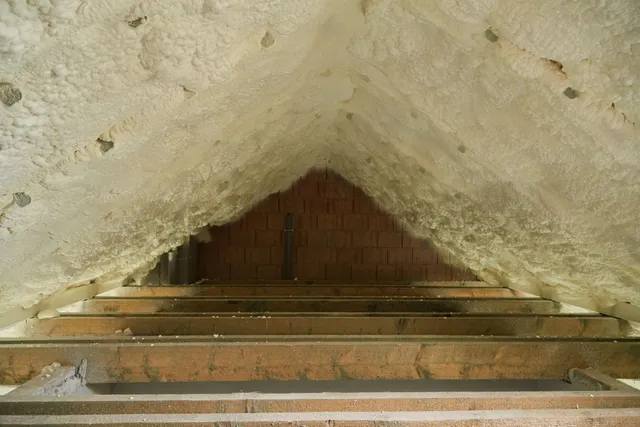
Spray foam insulation has transformed the industry over the last two decades. Applied as a liquid that expands into a solid foam, it seals every crack, gap, and crevice in your home. This tight seal provides benefits fiberglass simply can’t match.
The biggest advantages include:
- Air sealing: Spray foam creates an airtight barrier, reducing drafts and keeping conditioned air inside.
- High R-value: Spray foam has a higher insulating power per inch than fiberglass, which means you need less material to achieve better results.
- Moisture control: Because it resists water absorption, spray foam lowers the risk of mold and moisture damage.
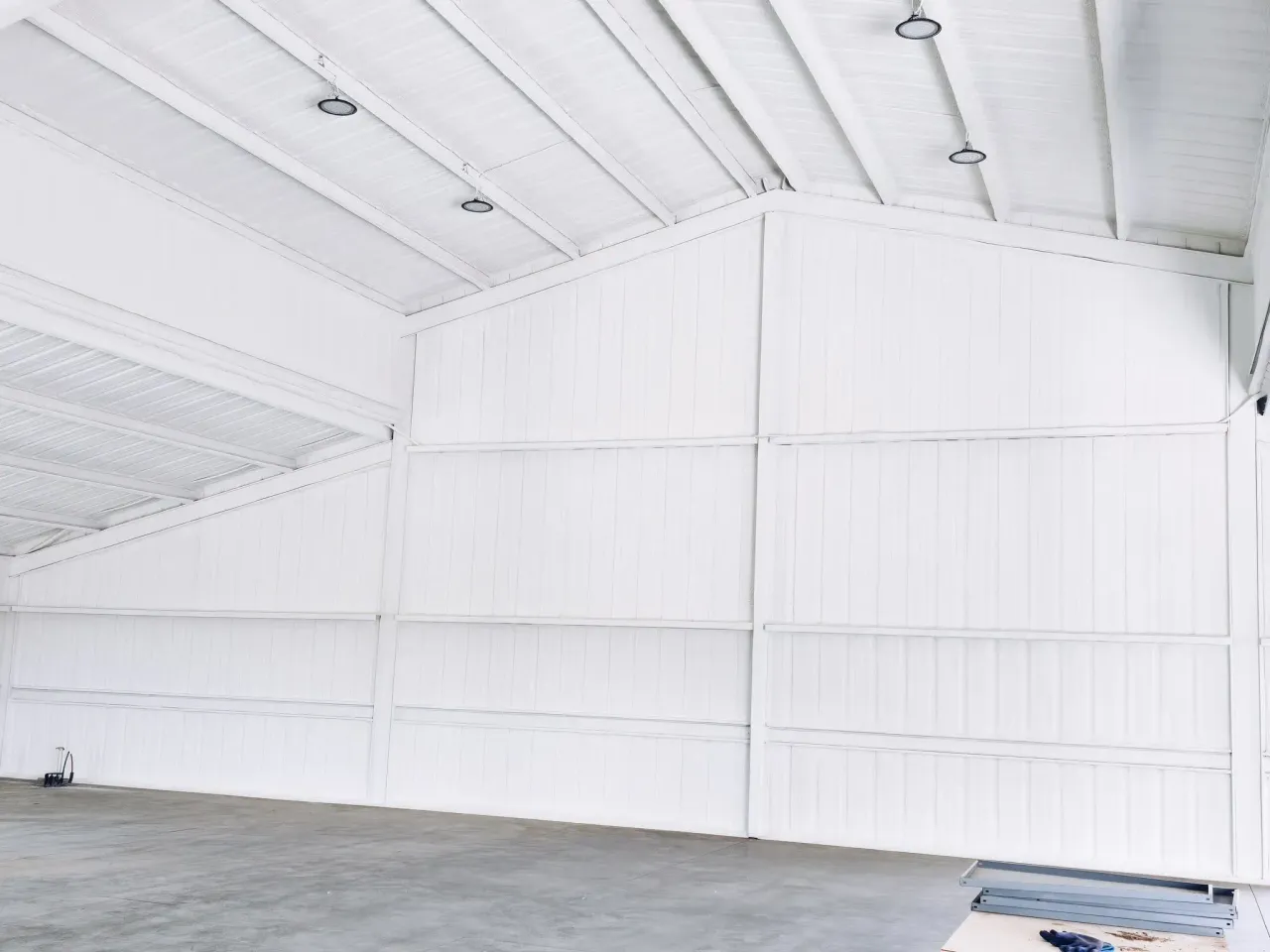
- Structural strength: Closed-cell spray foam can add rigidity to walls and ceilings, strengthening the building.
- Long lifespan: Unlike fiberglass, spray foam doesn’t sag or settle, maintaining its performance for decades.
The main drawback is cost. Spray foam insulation requires specialized equipment and trained installers, making the upfront investment higher. However, many homeowners recover this cost through long-term energy savings.
For example, a Plainview homeowner who upgrades from fiberglass to spray foam may see 20–40% reductions in annual heating and cooling costs. Over time, these savings add up, making spray foam an attractive investment.
Cost Comparison: Fiberglass vs. Spray Foam
One of the most common questions homeowners ask is:
“Which insulation is cheaper?” The answer depends on whether you’re looking at short-term or long-term costs.
- Fiberglass insulation typically costs less upfront. It’s a budget-friendly choice for insulating large areas like attics or garages. If your primary goal is lowering initial project expenses, fiberglass is the more affordable choice.
- Spray foam insulation, while more expensive at the start, often reduces utility bills enough to offset the higher cost within several years. Its increased lifespan means you won't have to replace it as often.
If you’re planning to stay in your home for many years, spray foam may be more cost-effective in the long run. If you need a quick, affordable solution, fiberglass may be sufficient.
Many homeowners in Plainview use a combination approach—installing fiberglass insulation in low-priority areas and investing in spray foam for attics, crawl spaces, or rooms where energy loss is most significant.
Durability and Maintenance Considerations
Durability is another key factor when comparing the two materials.
- Fiberglass insulation can lose effectiveness over time as it compresses or shifts. If exposed to moisture, it can grow mold or mildew, which compromises indoor air quality. While maintenance is generally low, you may need to replace or top up fiberglass insulation every 10–15 years.
- Spray foam insulation is far more durable. Once applied, it adheres to surfaces and resists settling, shifting, and moisture damage. In most cases, spray foam can last the lifetime of the home without replacement.
This difference makes spray foam a strong choice for homeowners who want a “set it and forget it” solution. Still, a reputable fiberglass insulation company can help extend fiberglass’s lifespan with proper installation and occasional maintenance.
Which Insulation Is Best for Your Home?
The right choice comes down to your priorities:
- Choose fiberglass if affordability, easy installation, and accessibility are most important.
- Choose spray foam if you want long-term energy savings, maximum comfort, and superior durability.
At
Duralock Spray Foam, we provide both options so you don’t have to choose blindly. Our team will inspect your home, identify areas of energy loss, and recommend a solution tailored to your needs and budget. Whether you want to install fiberglass insulation or explore the benefits of spray foam, we’re here to help.
Duralock Spray Foam: Your Plainview Insulation Experts
Ready to upgrade your home’s comfort and efficiency? Call
Duralock Spray Foam at
(806) 685-0609 today. We proudly serve Plainview, TX, and surrounding communities with professional insulation services. If you’re searching for
fiberglass insulation contractors near me or want expert
spray foam installation, our team has the knowledge and experience to deliver results you’ll feel year-round.
FAQs
Is fiberglass insulation safe for my family?
Yes. Fiberglass is non-combustible and safe when properly installed. Some irritation may occur during installation, which is why professional handling is recommended.
How long does spray foam insulation last?
Spray foam can last 20–30 years or longer. In most cases, it maintains its insulating power for the entire life of the home.
Can I install fiberglass insulation myself?
DIY installation is possible, but professional installers achieve better coverage and efficiency. Hiring a fiberglass insulation company ensures maximum performance.
Which insulation saves more on energy bills?
Spray foam usually delivers greater energy savings because of its superior air-sealing properties. However, properly installed fiberglass can also improve efficiency.
How do I know which insulation is right for me?
Consider your budget, the age of your home, and your long-term goals. If you’re unsure, a consultation with experts like Duralock Spray Foam can help you make the right decision.