

What’s the Difference Between Spray Foam and Fiberglass Insulation?
Understanding Insulation: The Basics Behind Spray Foam and Fiberglass
When it comes to keeping your home cozy in the winter and cool in the summer, insulation is your best friend. But not all insulation types are created equal, and knowing the differences between spray foam and fiberglass can help you make the best choice for your space and budget. Both options have their strengths, but they work in distinct ways and serve unique purposes. Here’s everything you need to know about spray foam and fiberglass insulation before you dive in.
Spray Foam Insulation: What It Is and Why People Love It
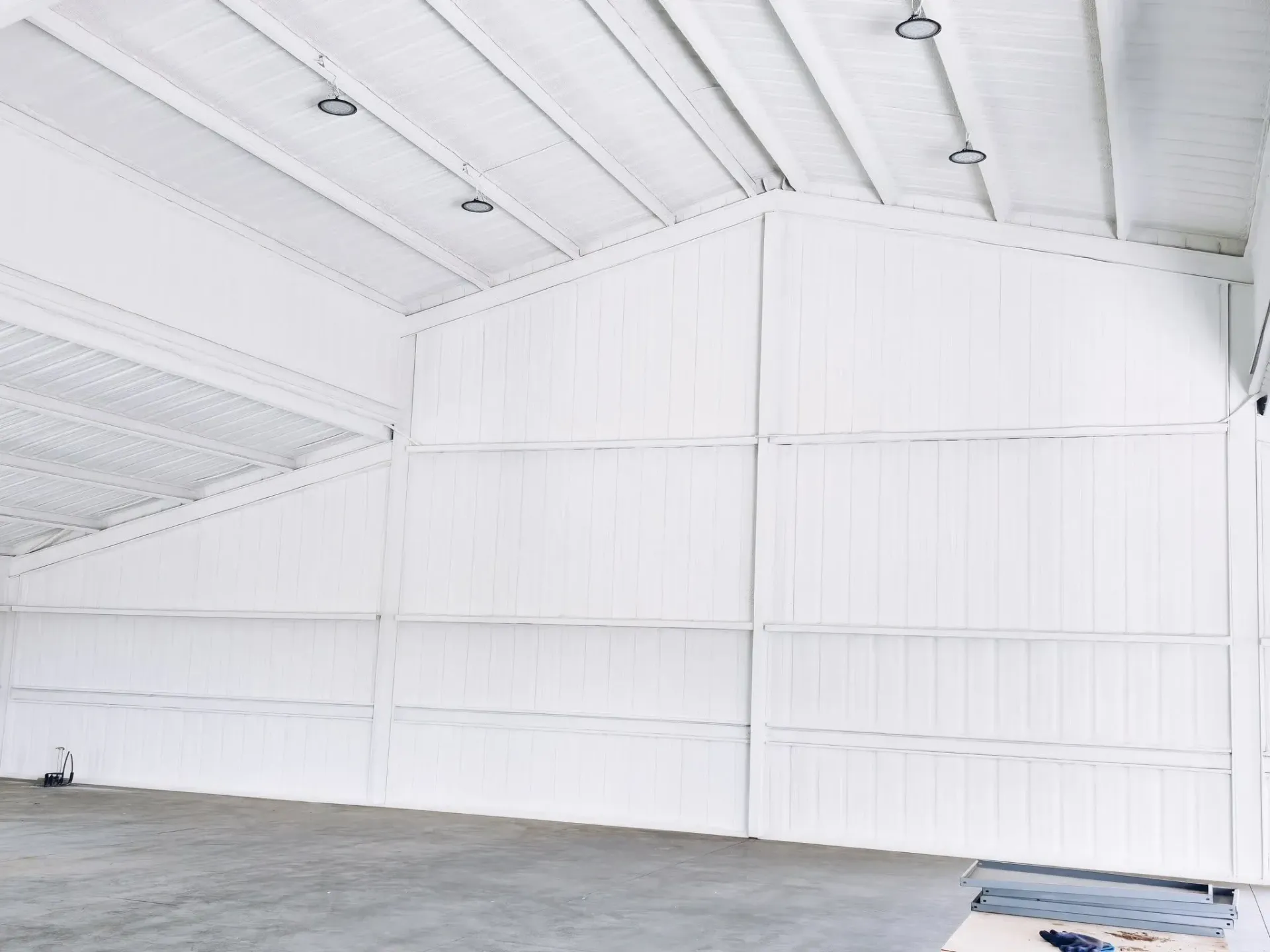
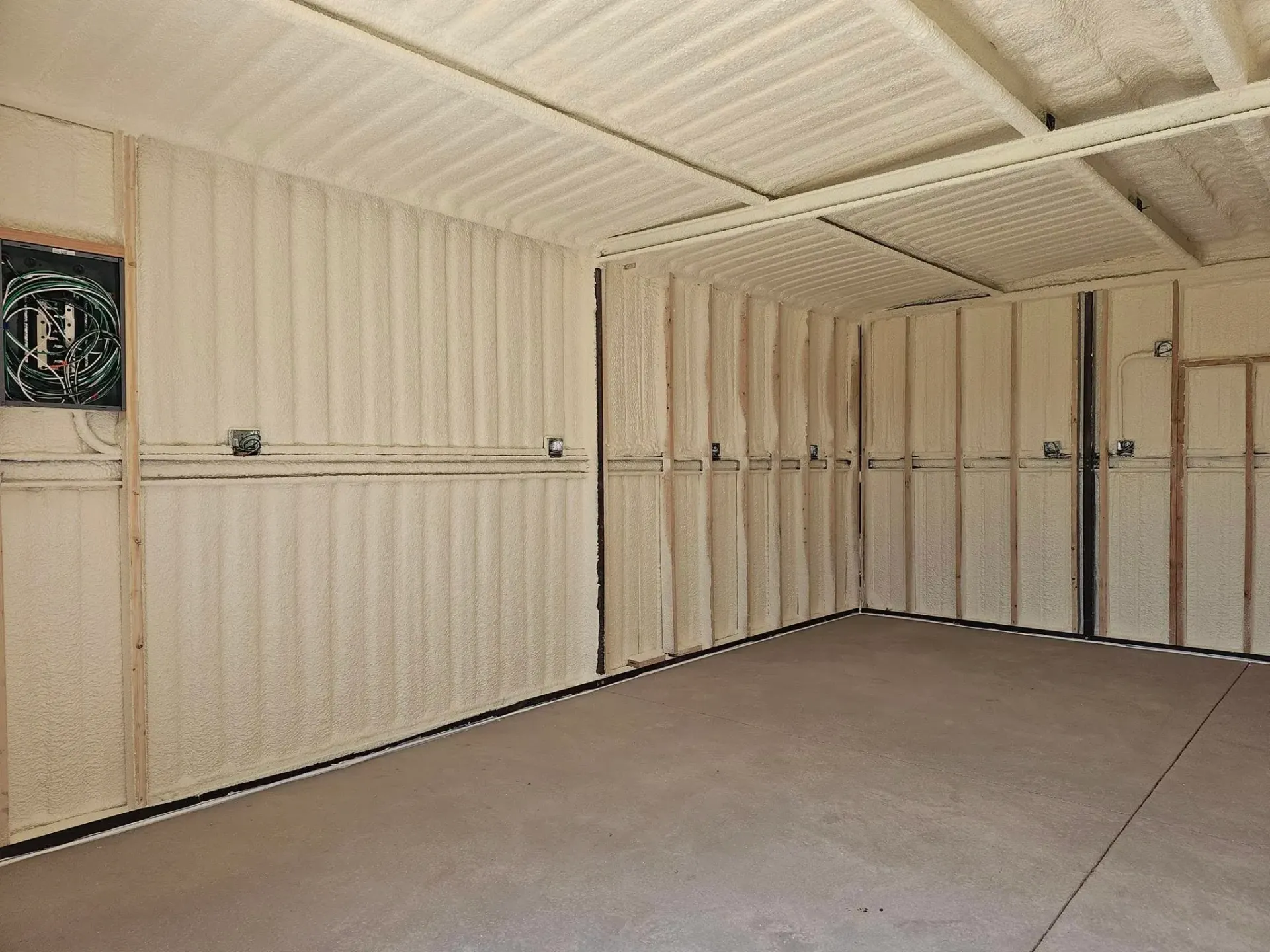
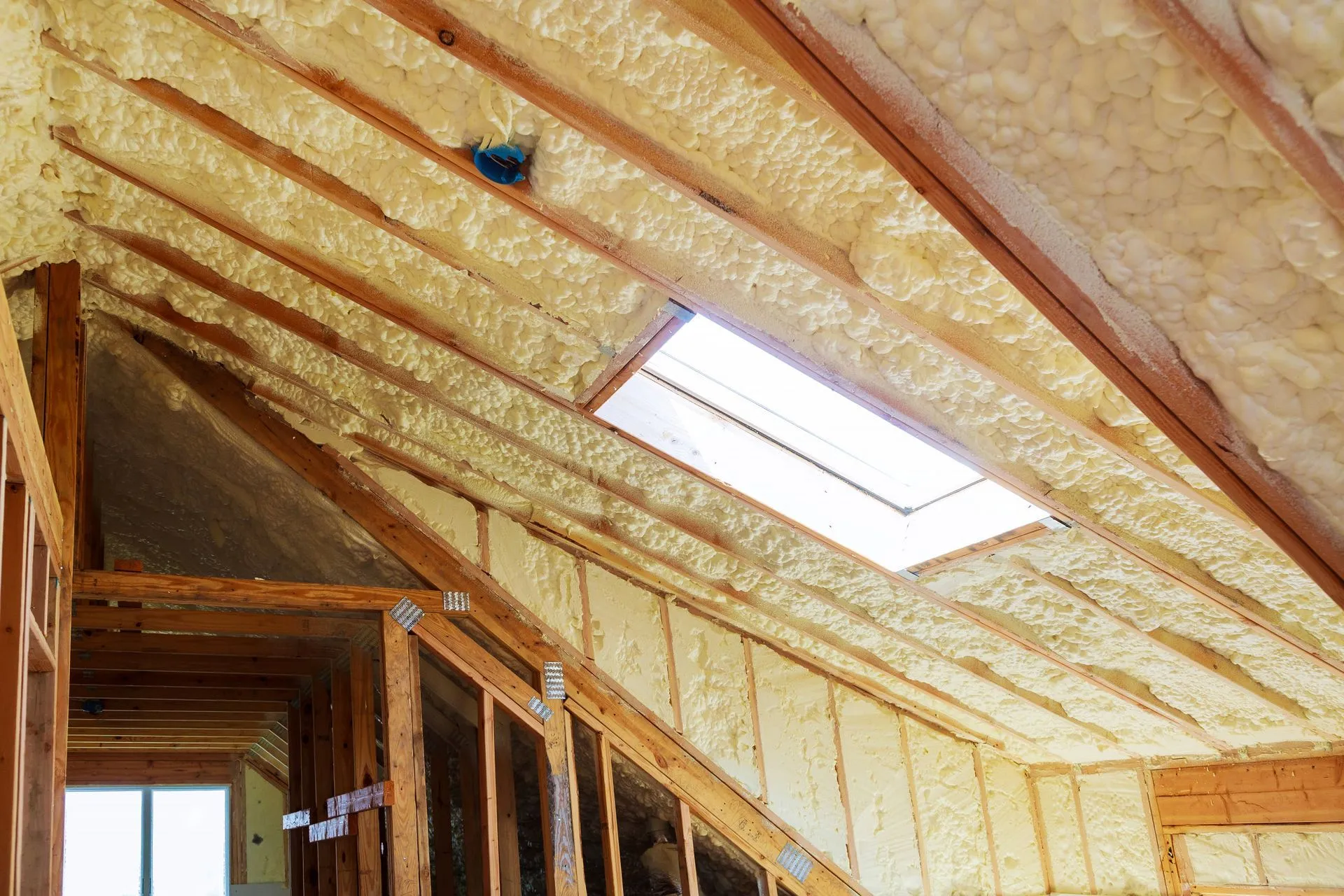
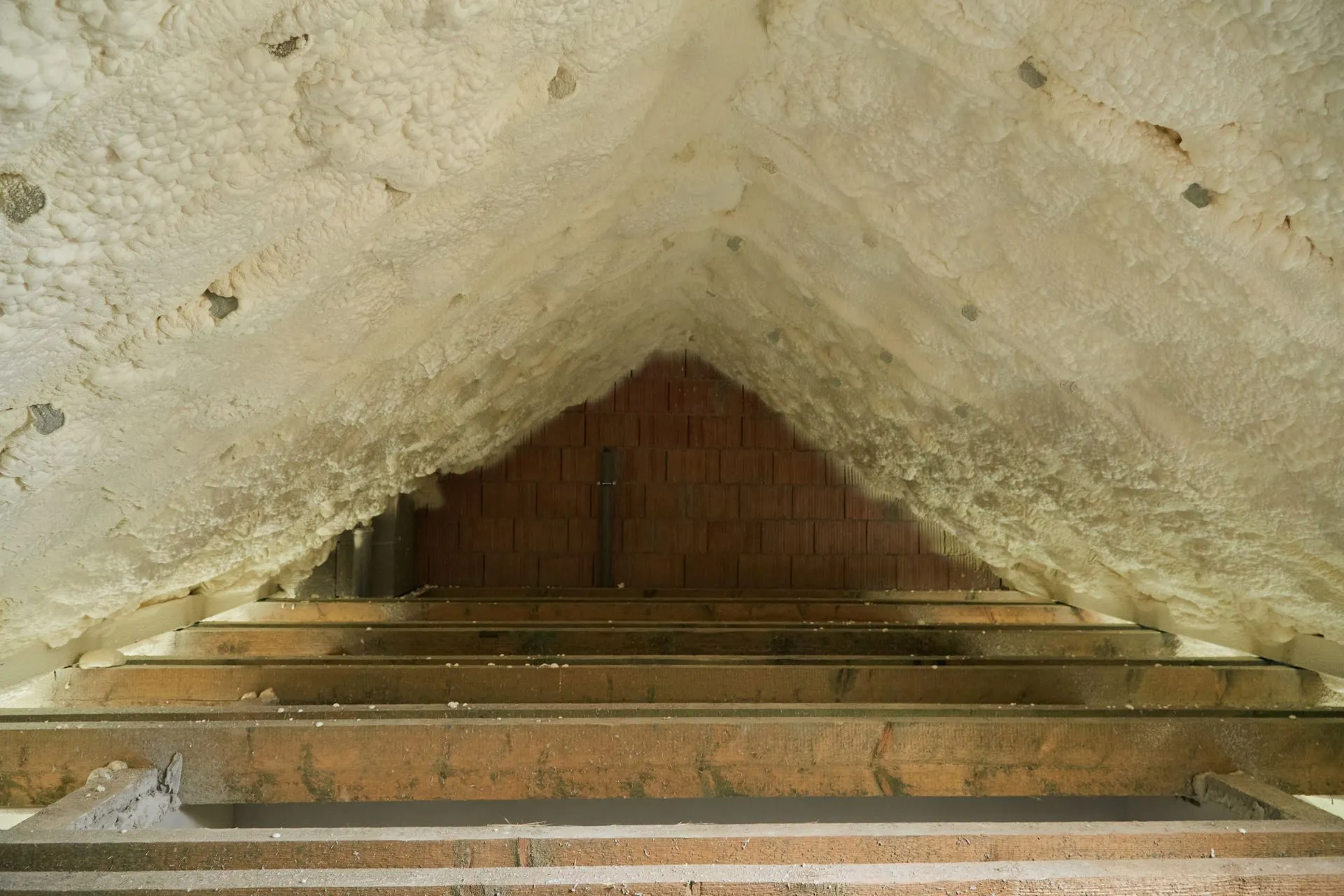
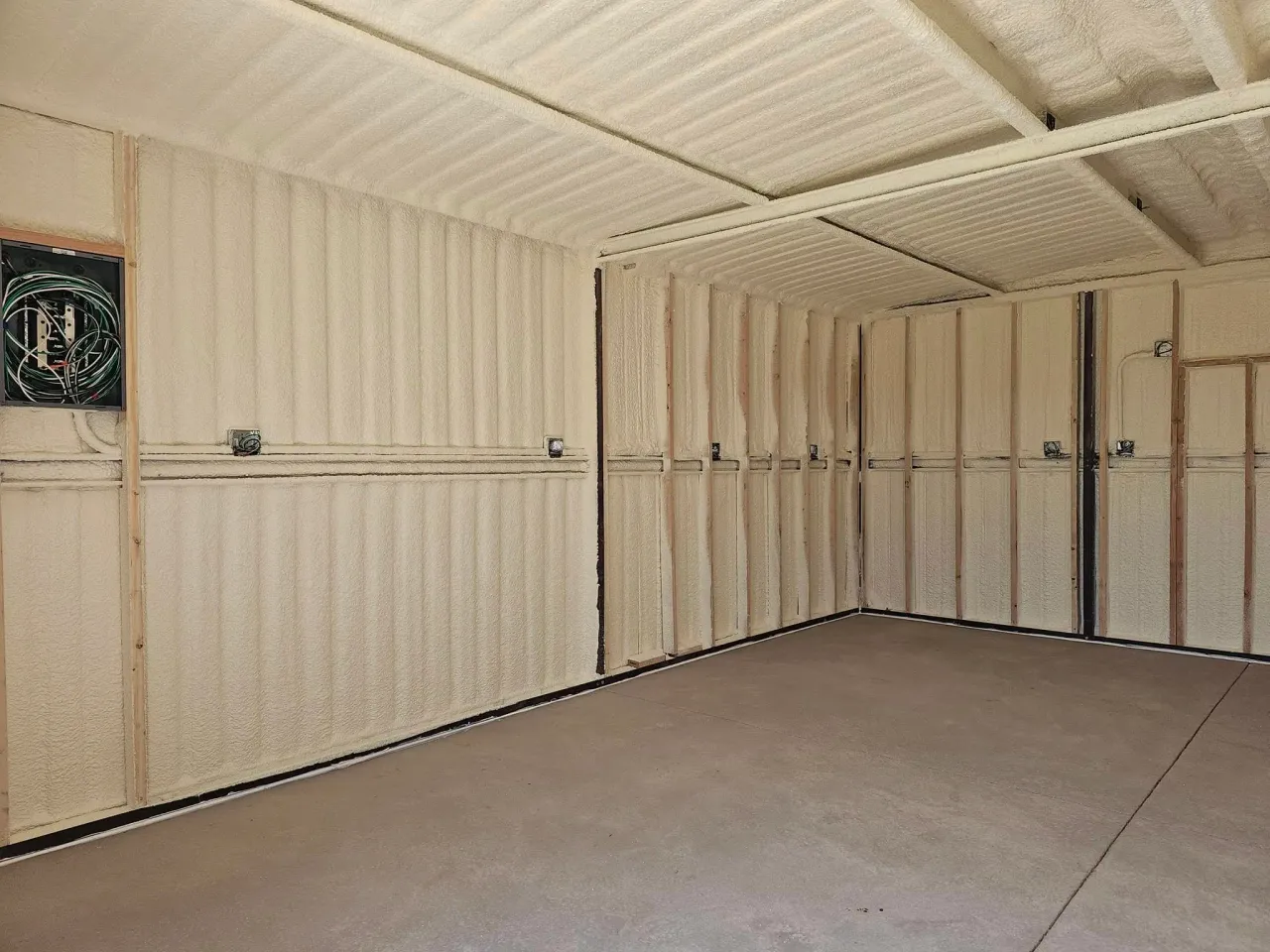
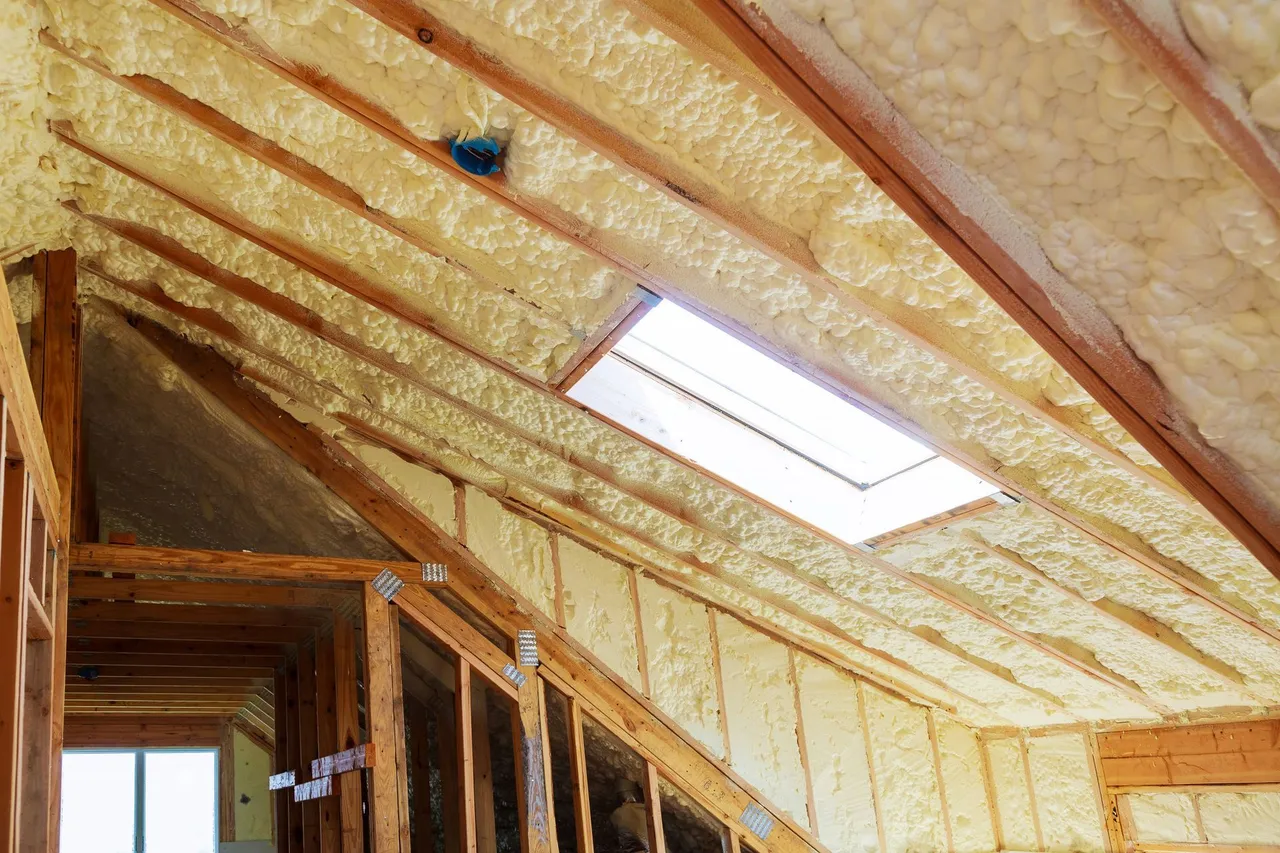
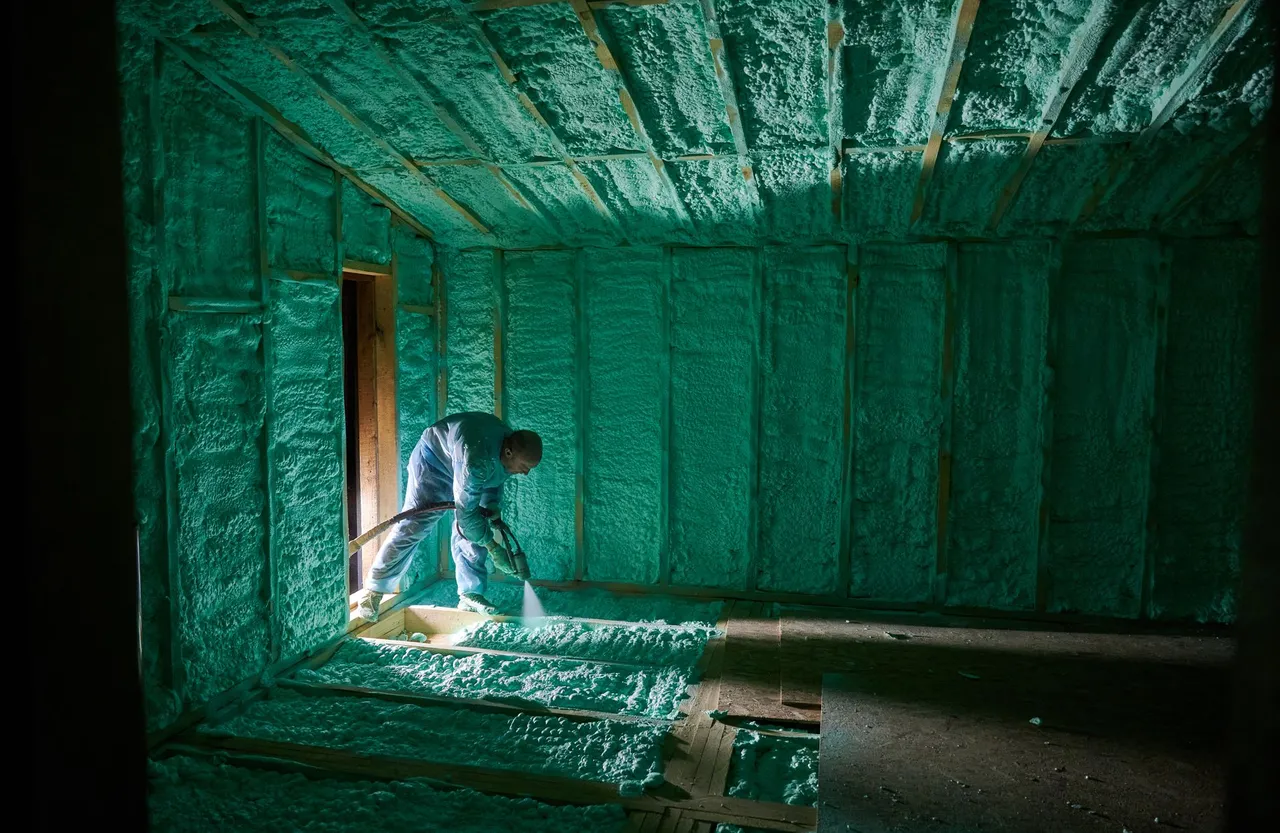
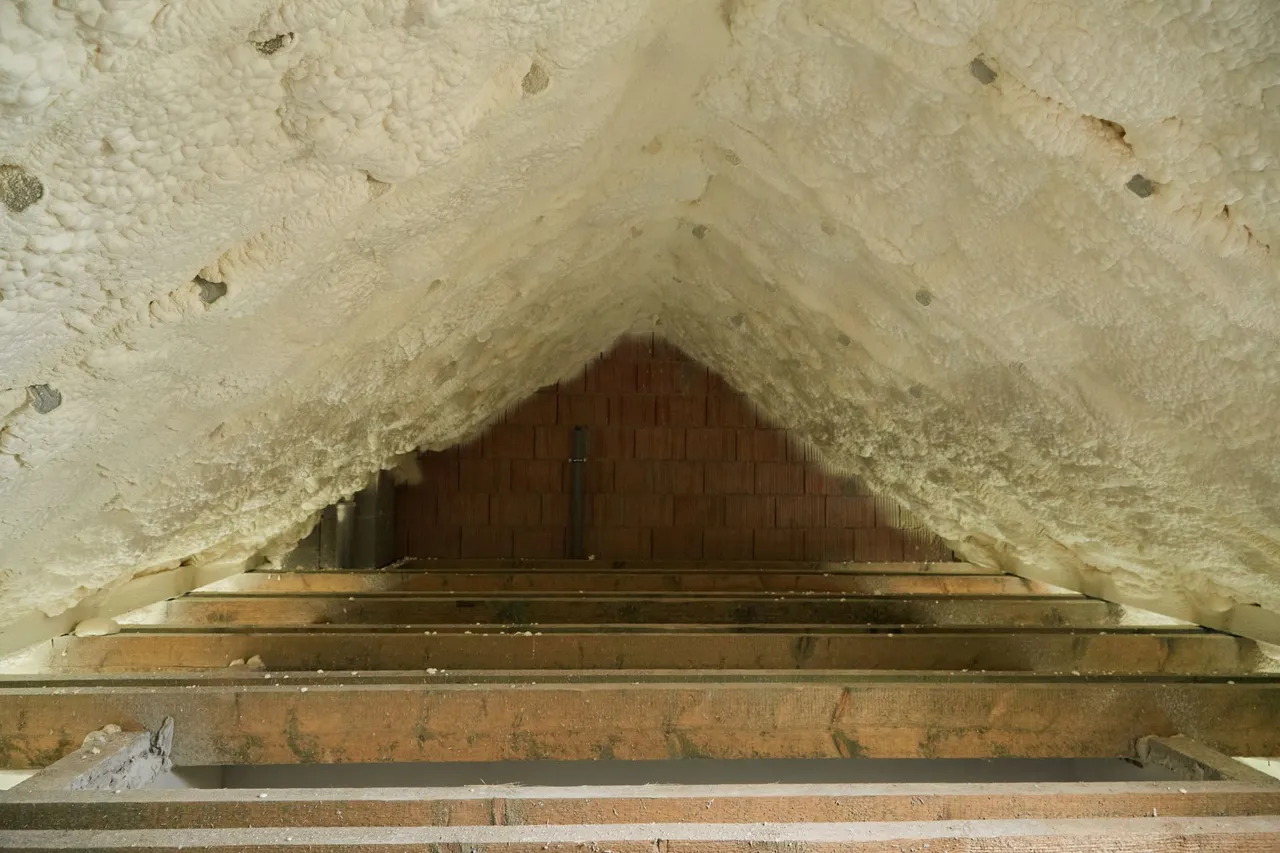
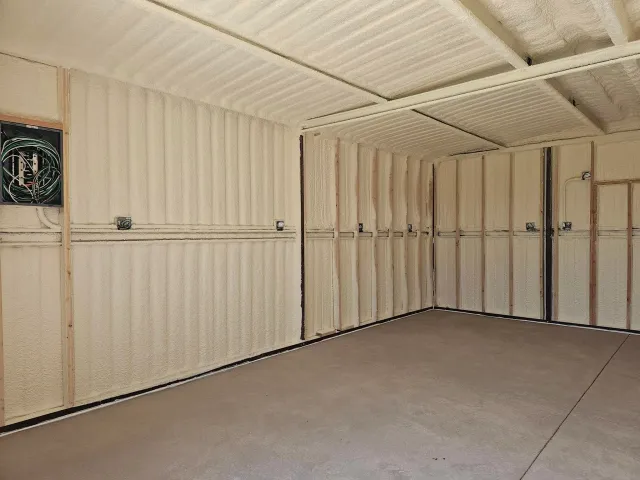
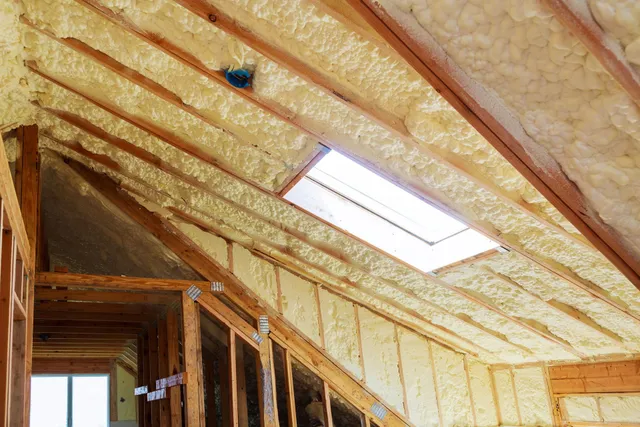
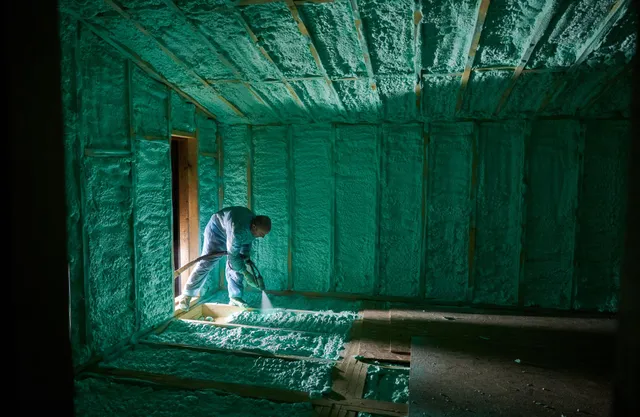
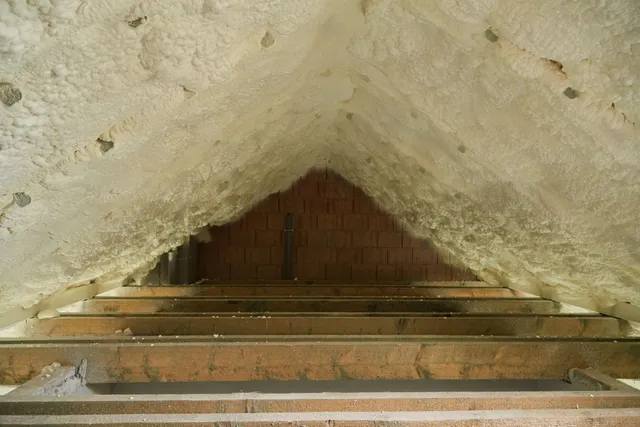
Spray foam insulation is a modern solution that’s quickly gained popularity for its high efficiency and impressive coverage. Applied as a liquid, it expands into a thick foam that fills every nook and cranny. Once it hardens, spray foam creates a powerful seal that stops air leakage, moisture intrusion, and even sound.
Key Benefits of Spray Foam Insulation
- Exceptional Air Seal: Spray foam expands up to 60 times its original size, covering gaps, cracks, and crevices. This creates a highly effective air barrier that blocks drafts better than almost any other insulation type.
- High R-Value: Spray foam insulation typically has a higher R-value than fiberglass, meaning it offers better thermal resistance. In fact, spray foam can have R-values between R-6 and R-7 per inch, while fiberglass batts are closer to R-2 to R-4.
- Longevity: Spray foam insulation can last over 80 years, so while it may have a higher upfront cost, it can be more economical in the long run.
- Moisture Control: Closed-cell spray foam, in particular, is great for controlling moisture because it’s waterproof and adds rigidity to your structure, making it ideal for humid or wet areas.
Downsides to Consider
Of course, spray foam insulation isn’t perfect. Here are a few points to keep in mind:
- Higher Cost: The initial cost for spray foam can be significantly higher than for fiberglass insulation, though the energy savings often help make up for it over time.
- Professional Installation Required: Spray foam insulation needs specialized equipment and expertise, so it’s not the best option for DIY enthusiasts.
For homeowners who prioritize energy efficiency, comfort, and long-term benefits, spray foam insulation might be the perfect fit.
Fiberglass Insulation: The Classic Choice That’s Stood the Test of Time
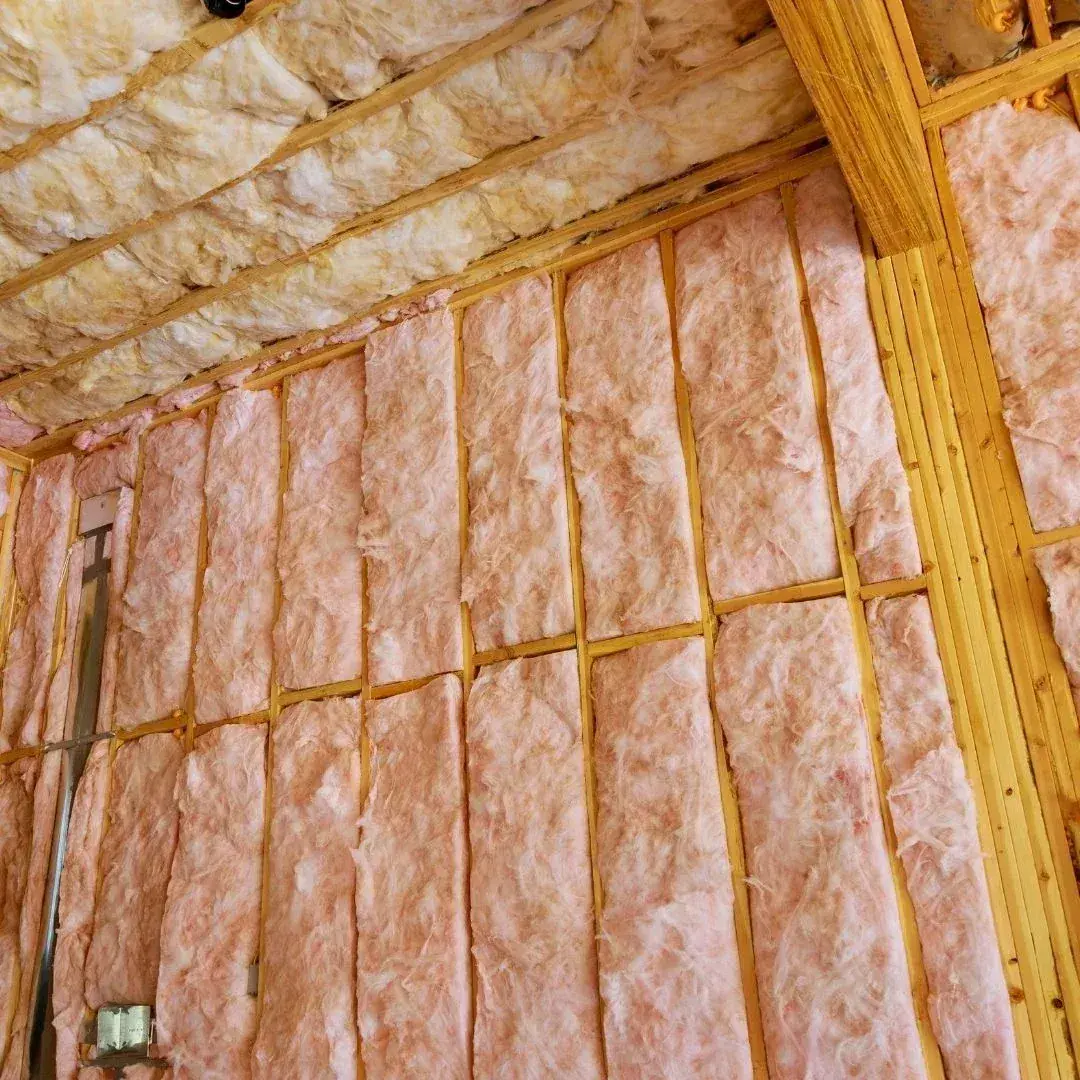
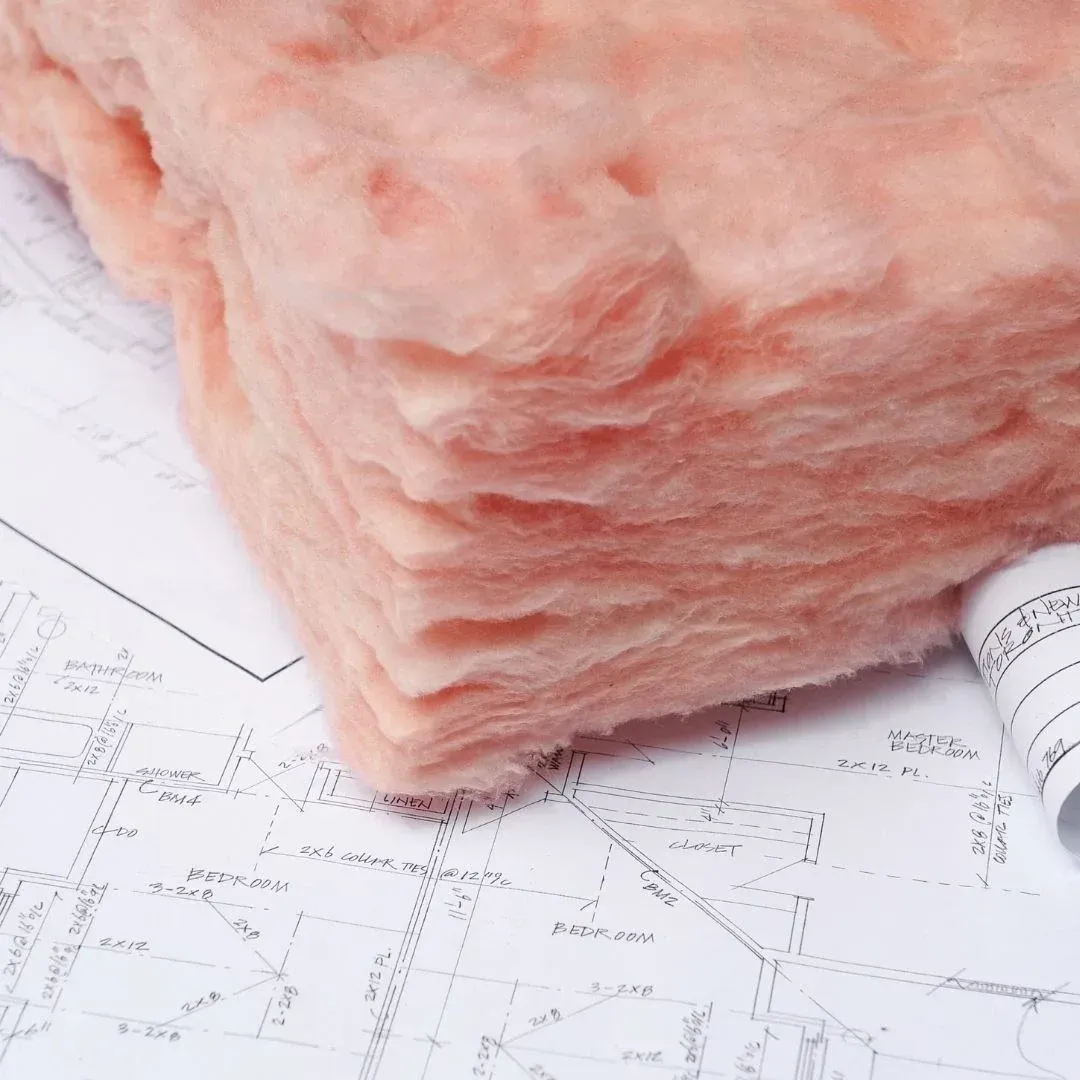
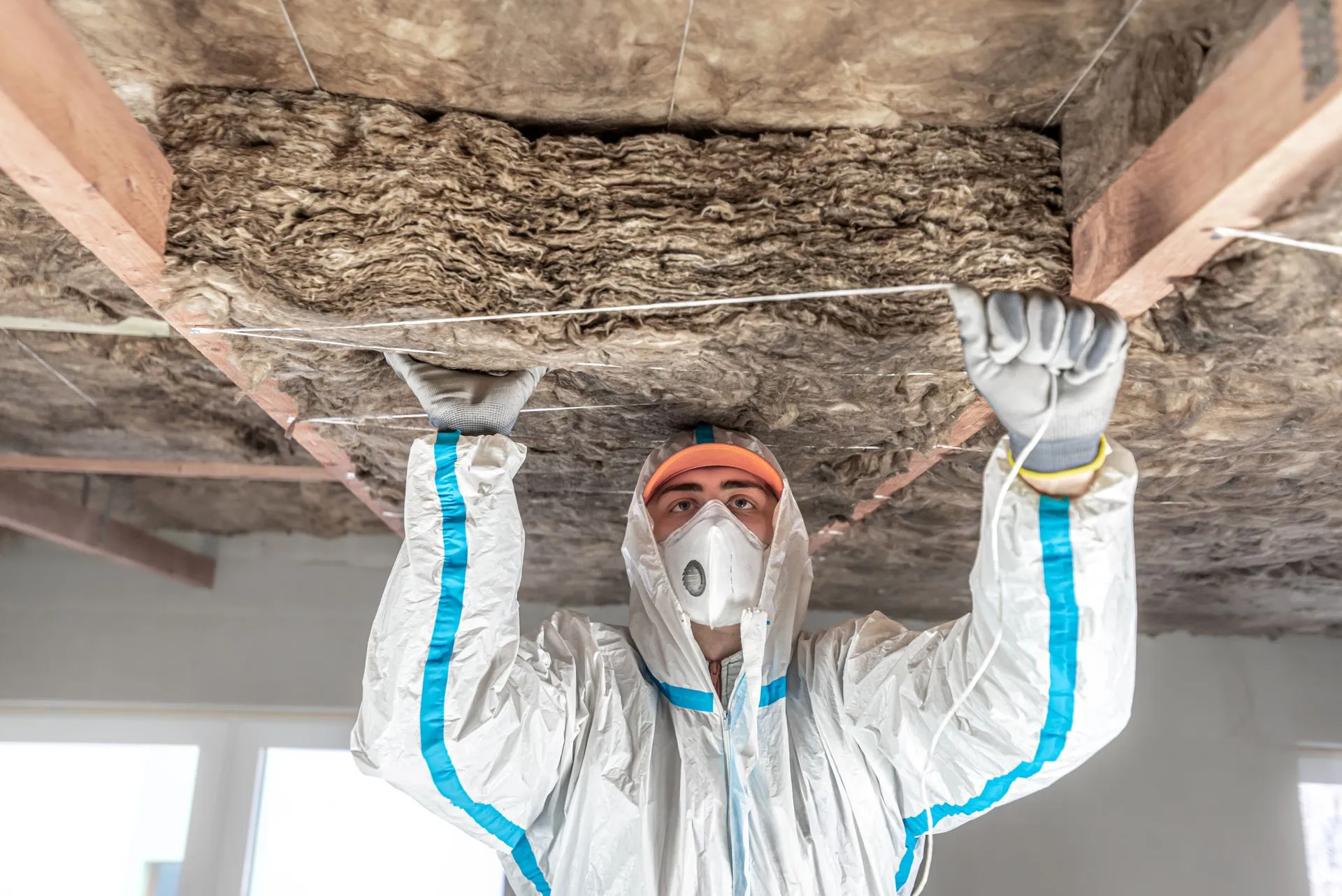
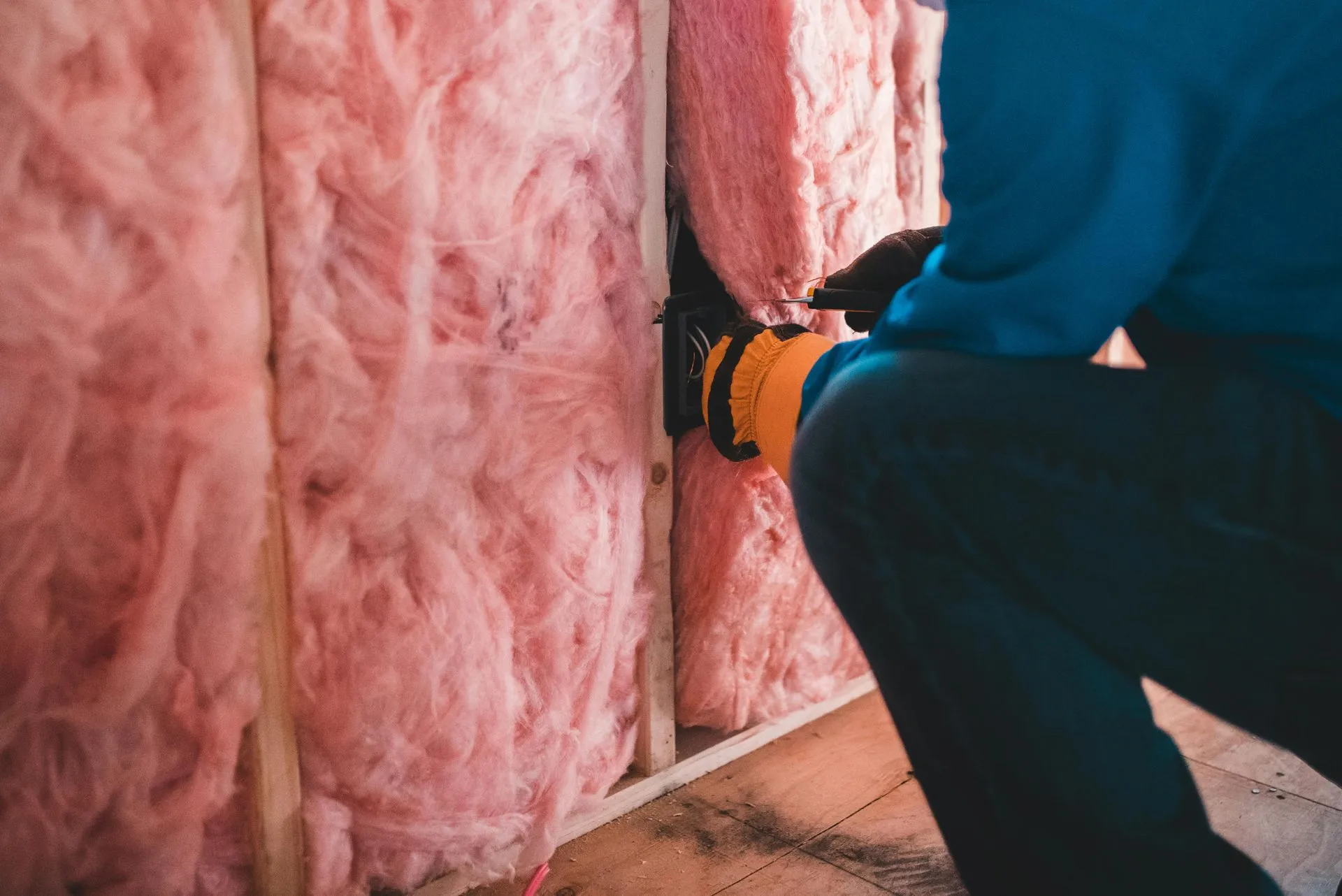
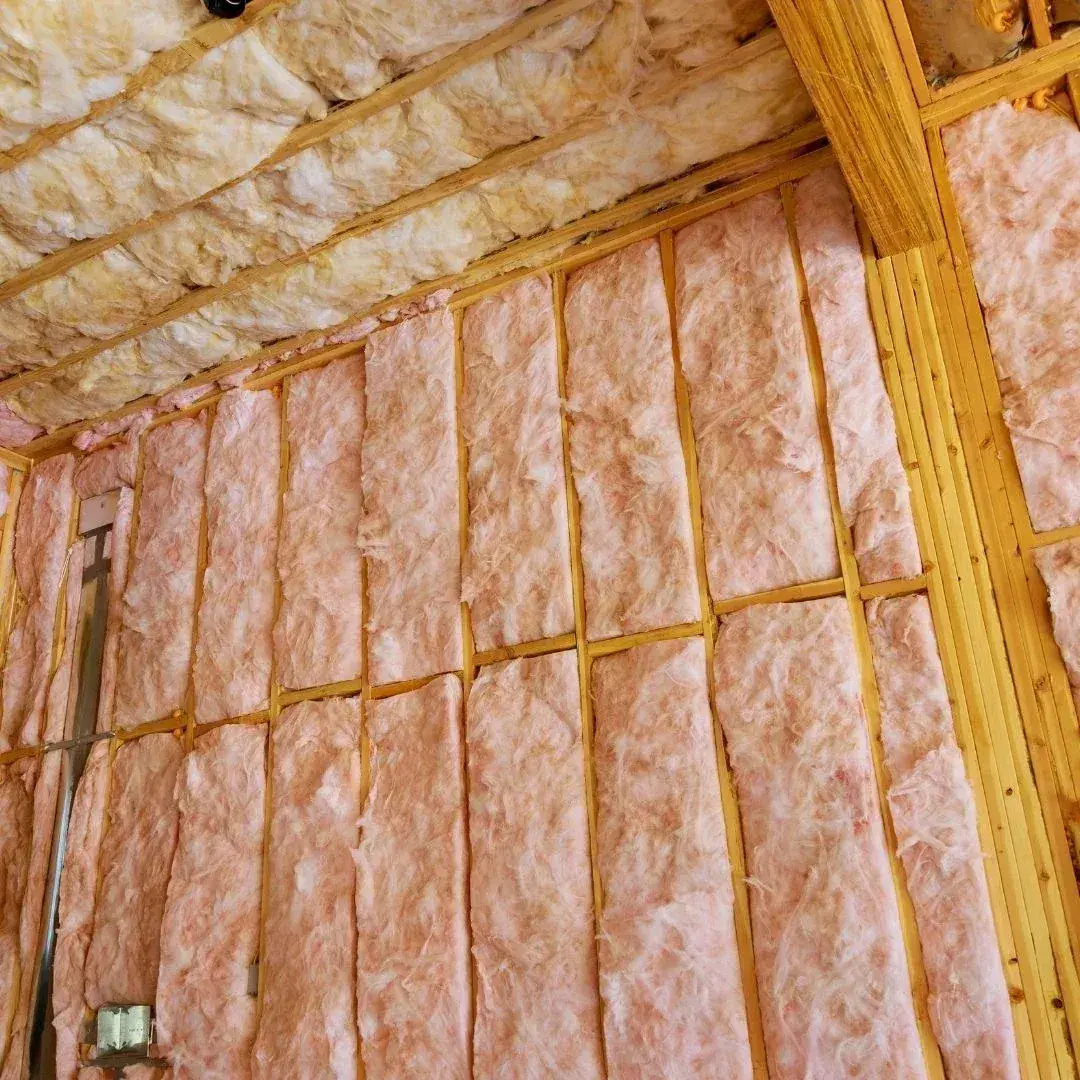
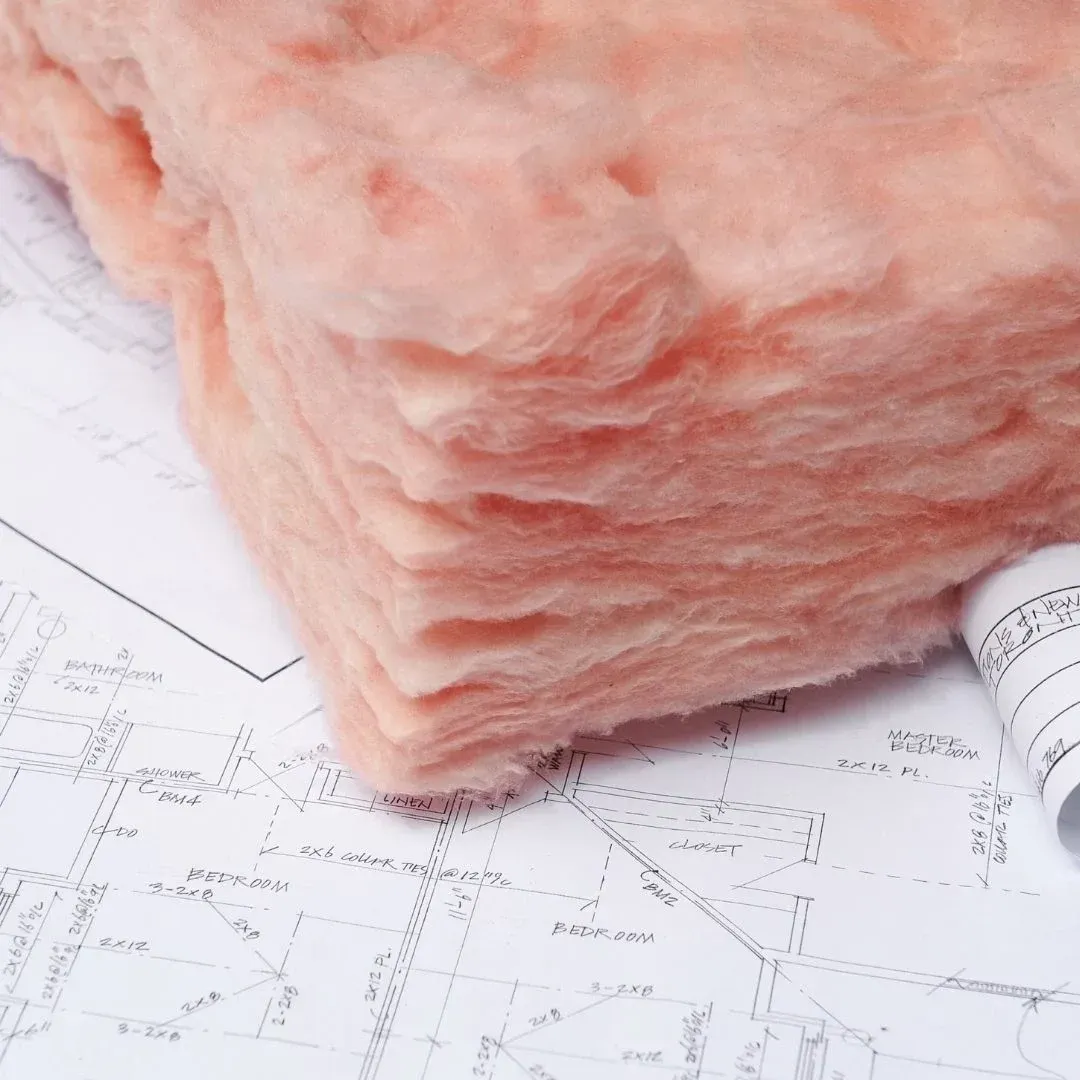
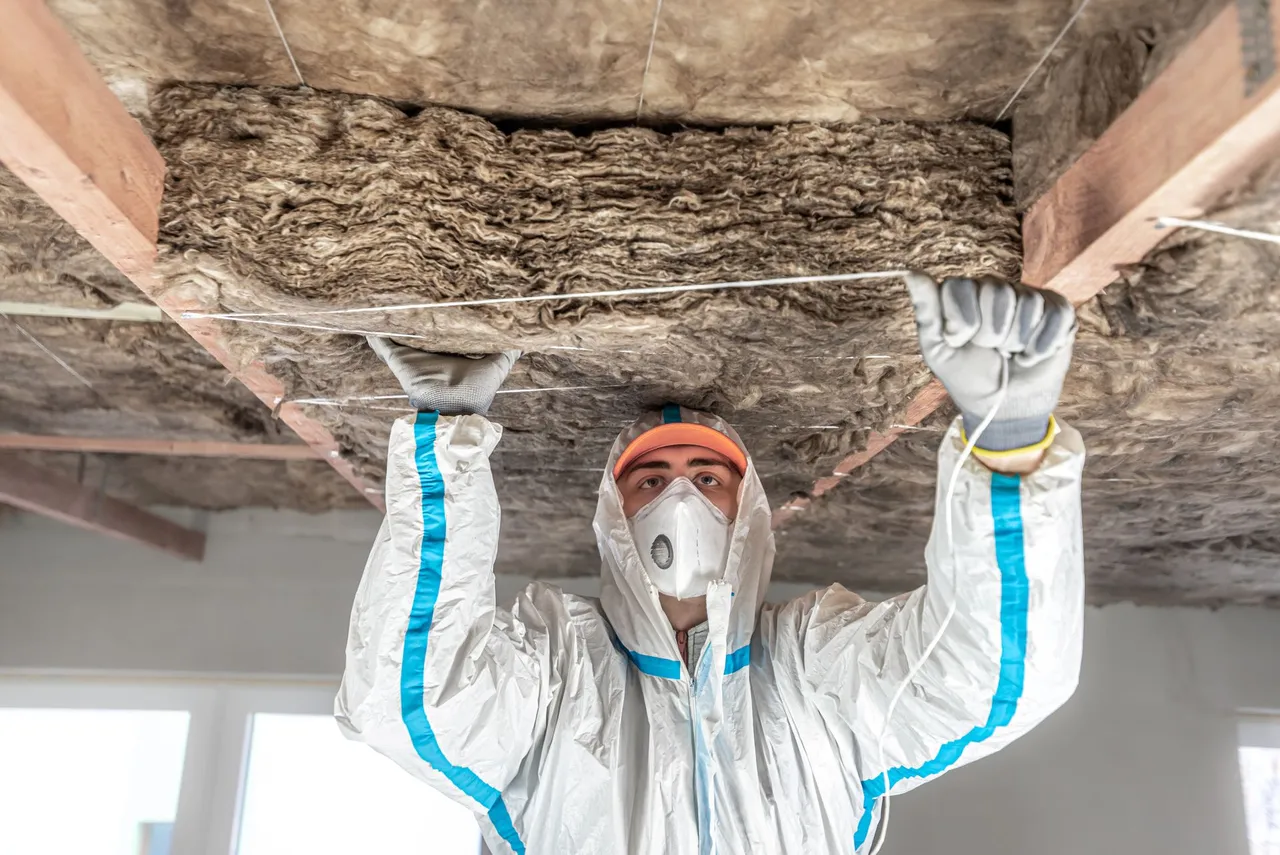
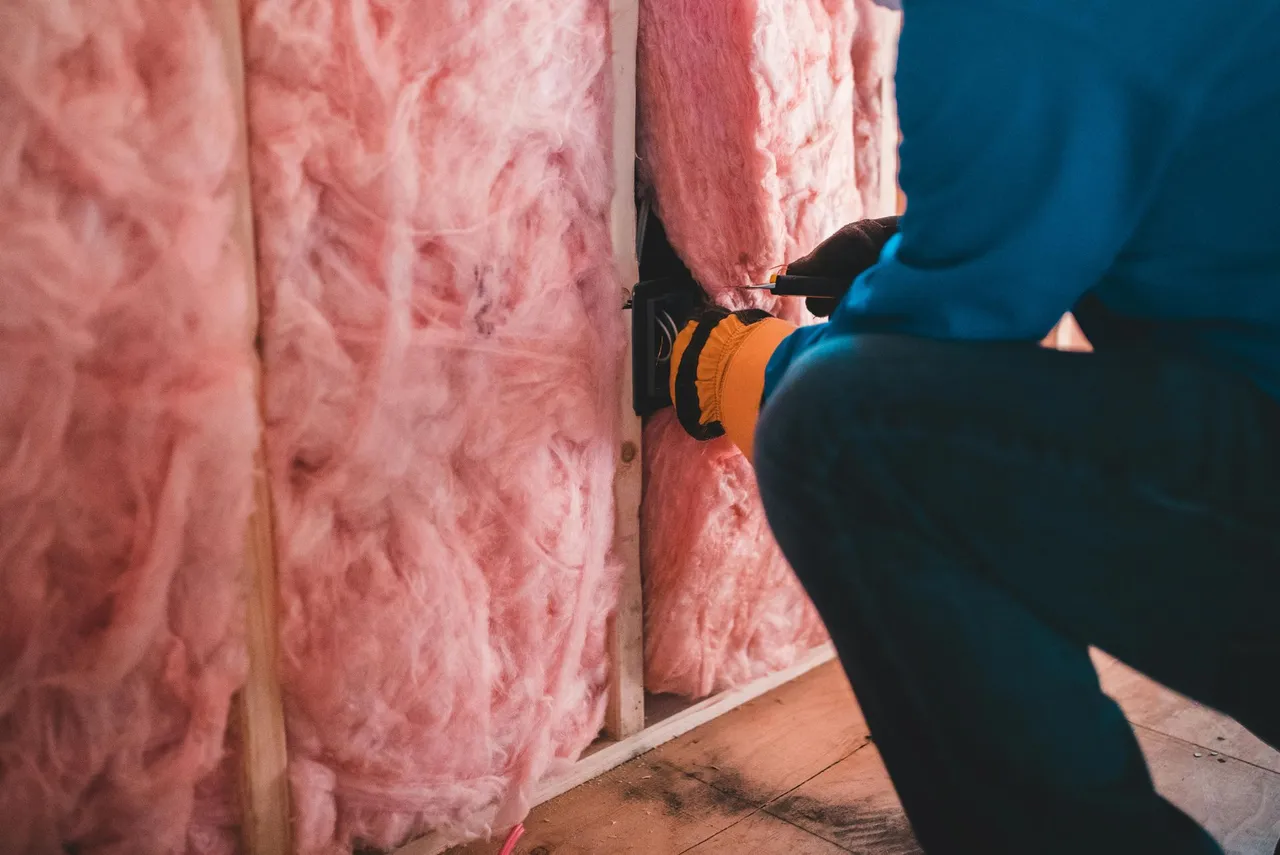
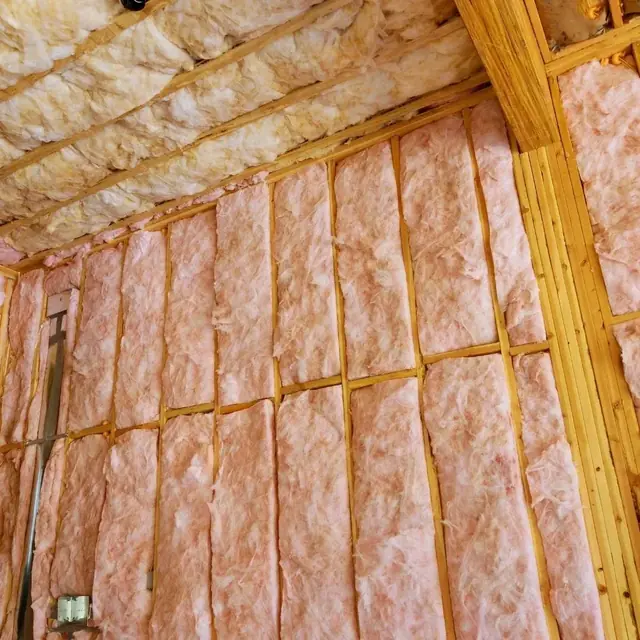
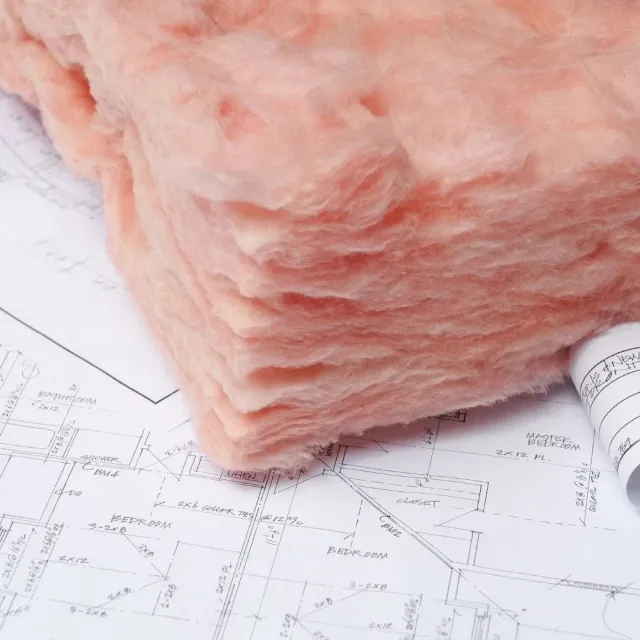
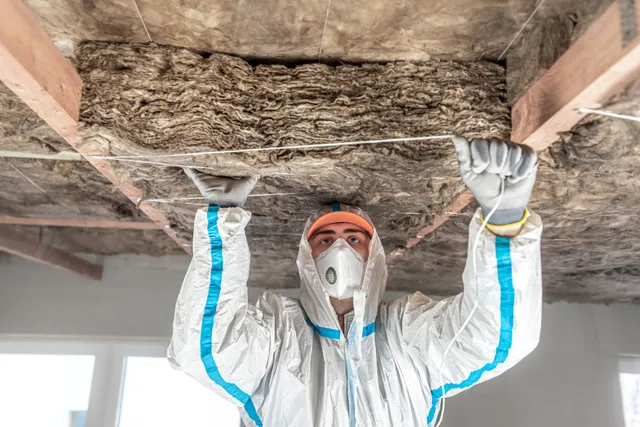
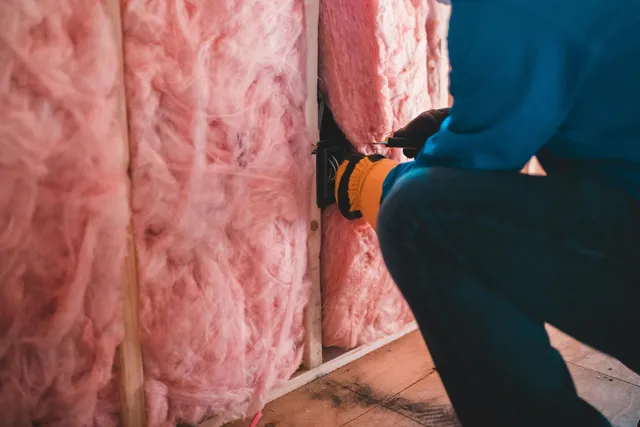
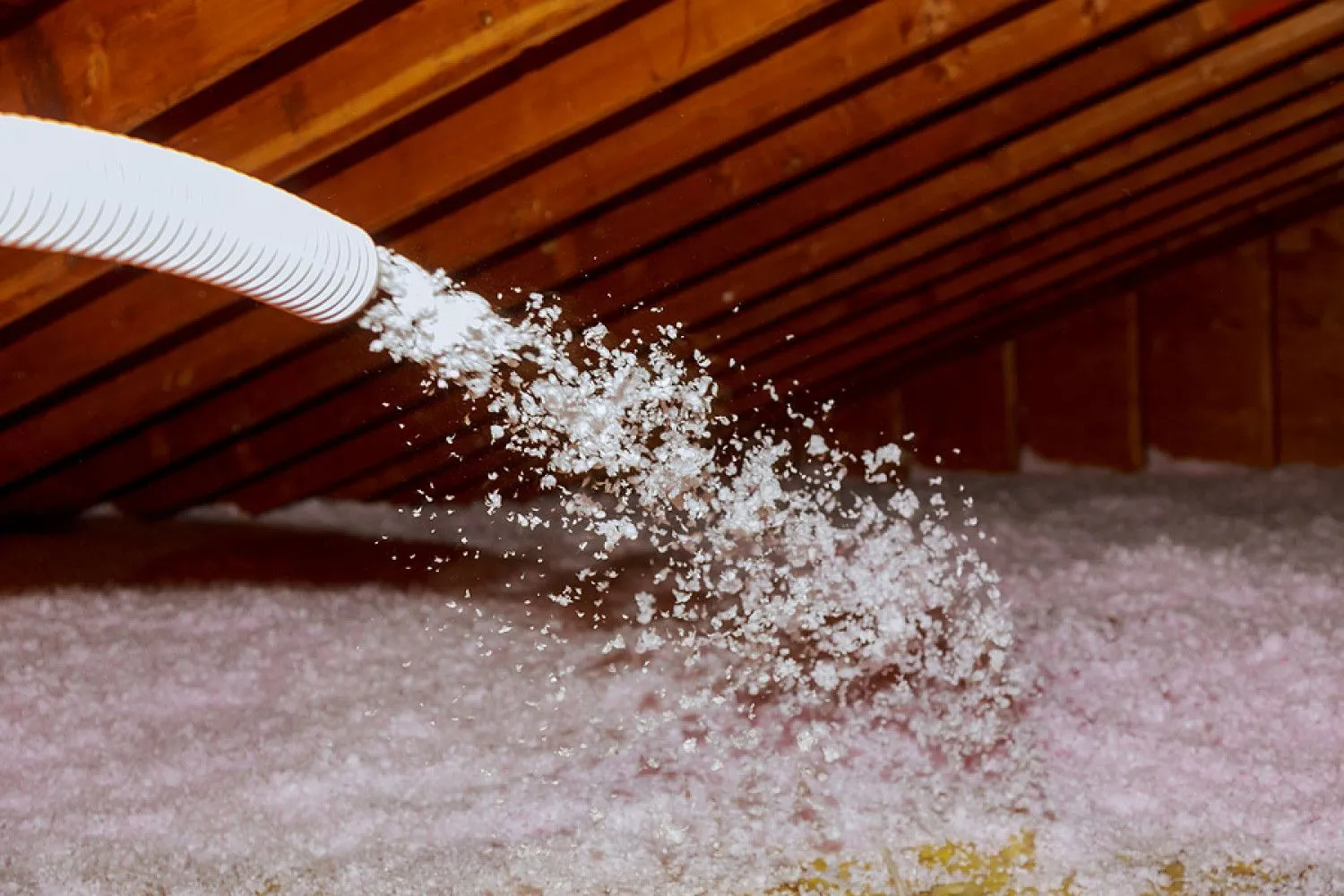
Fiberglass insulation has been around for decades and remains a popular choice. It’s made from extremely fine glass fibers, usually packed into batt or roll form. Known for being more budget-friendly and DIY-compatible, fiberglass insulation works well in many residential settings.
Key Benefits of Fiberglass Insulation
- Cost-Effective: Fiberglass is generally more affordable than spray foam and is widely available. This makes it an appealing choice for homeowners looking to cut initial installation costs.
- Easy Installation: Fiberglass batts are relatively easy to install, so DIYers can handle smaller projects on their own, which can save additional costs.
- Fire-Resistant: Fiberglass insulation is non-combustible, giving it an added safety benefit for residential applications.
- Good Soundproofing: While spray foam is a better insulator, fiberglass insulation still provides decent soundproofing, which makes it a popular choice for interior walls.
Downsides to Consider
Fiberglass insulation is not without its drawbacks:
- Lower R-Value: Fiberglass has a lower R-value per inch, meaning it doesn’t provide as much thermal resistance as spray foam. You may need a thicker layer to achieve the same level of insulation.
- Air Gaps: Fiberglass insulation doesn’t seal air leaks well, which can lead to drafts and inefficiencies in your heating and cooling.
Despite these downsides, fiberglass insulation remains a good option, especially for homeowners on a budget who want a tried-and-true method of keeping their homes comfortable.
Comparing R-Values: Spray Foam vs. Fiberglass Insulation Efficiency
The “R-value” is the holy grail of insulation lingo, and if you’ve been researching insulation, you’ve probably run across it. R-value measures thermal resistance, with higher values indicating better insulation performance. Here’s how spray foam and fiberglass stack up.
R-Values and Performance Breakdown:
- Spray Foam: Closed-cell spray foam offers an R-value of about R-6 to R-7 per inch, while open-cell spray foam is closer to R-3.5 to R-4 per inch. With closed-cell spray foam, you get higher efficiency in a thinner layer.
- Fiberglass: Fiberglass batts typically have an R-value of R-2.9 to R-4.3 per inch. To match the thermal efficiency of closed-cell spray foam, you’d need much thicker fiberglass insulation.
Higher R-values mean better temperature regulation and less heat transfer, making spray foam more efficient overall. But the choice ultimately depends on your insulation goals, climate, and budget.
Installation Process: How Spray Foam and Fiberglass Get the Job Done
Choosing insulation is one thing; getting it installed is another. Here’s a look at what’s involved in installing spray foam versus fiberglass insulation.
Spray Foam Insulation Installation
- Preparation: The spray foam contractor preps the area and ensures any surfaces that shouldn’t come in contact with foam are properly covered.
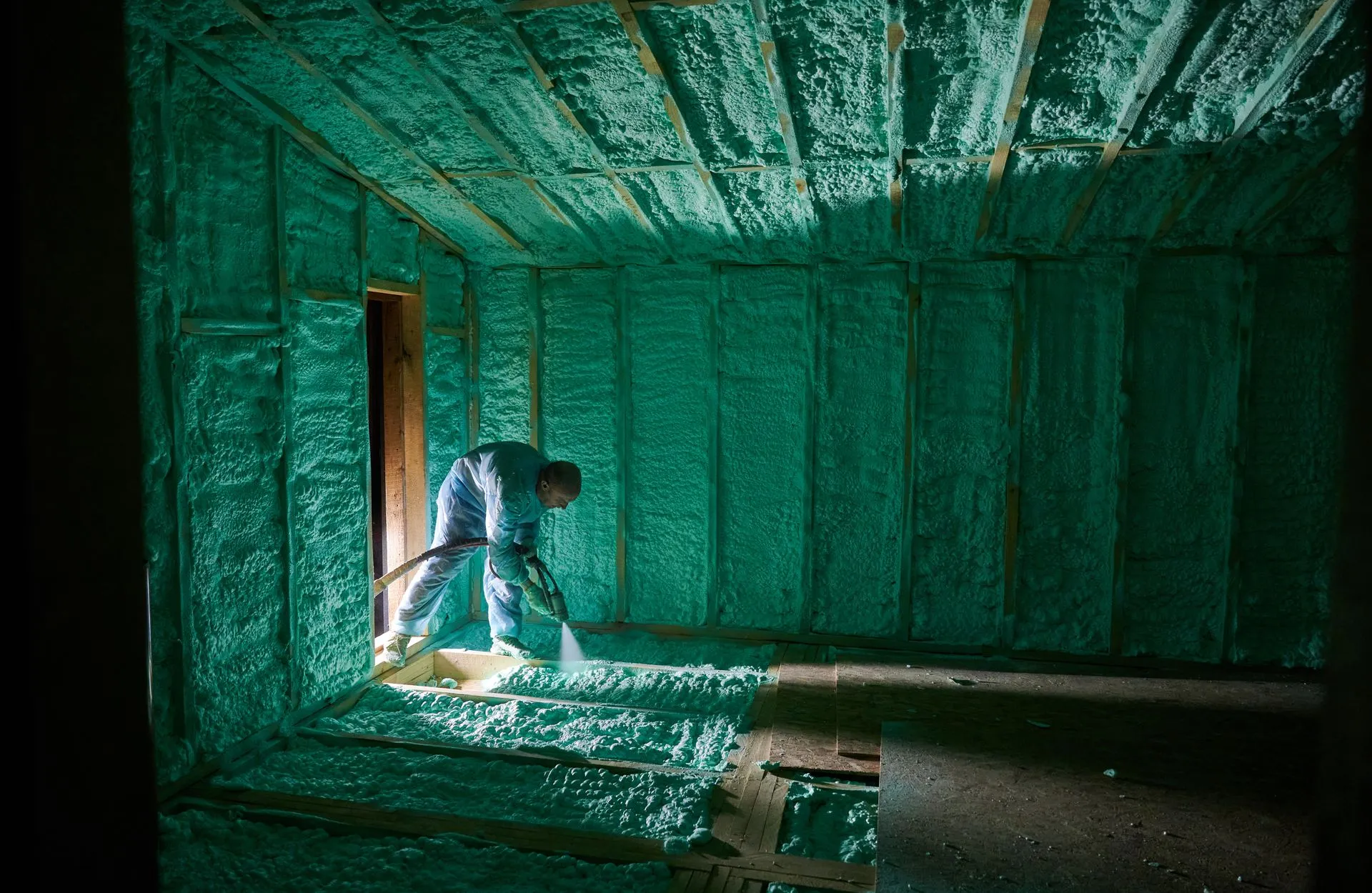
- Application: Using specialized equipment, the liquid foam is sprayed onto surfaces where it expands to fit any gaps or cracks.
- Curing: After a short curing time, the spray foam hardens to create a durable and seamless barrier.
Pro Tip: Due to its expanding nature, spray foam requires careful application by trained professionals. Don’t try this one at home!
Fiberglass Insulation Installation
- Measuring and Cutting: Fiberglass batts are measured and cut to fit between studs, joists, and other structural components.
- Positioning: The fiberglass is positioned carefully to avoid compression, which can reduce its insulating properties.
- Final Adjustments: If needed, gaps around electrical outlets or pipes are sealed for better efficiency.
Fun Fact: Many DIYers like fiberglass insulation because it’s easy to work with, but remember to wear gloves and goggles – those tiny fibers can be irritating!
Choosing the Right Insulation for Your Home: Factors to Consider
When deciding between spray foam and fiberglass insulation, consider the following factors to help make your choice:
- Budget: Fiberglass is cheaper upfront, but spray foam may offer greater long-term savings.
- Climate: For hot or humid areas, closed-cell spray foam may be more effective. In milder climates, fiberglass might be sufficient.
- Energy Efficiency Goals: If energy savings and comfort are top priorities, spray foam offers a higher R-value and better air-sealing capabilities.
- DIY or Professional: If you prefer to handle the installation yourself, fiberglass may be the better option. Spray foam generally requires a professional application.
Call Our Team for Expert Insulation Solutions in Plainview, TX!
Your Local Insulation Pros Are Here to Help!
Deciding on the right insulation for your home can be tricky, but you don’t have to do it alone. At Duralock Spray Foam, we’re here to guide you through every step, from choosing the ideal insulation type to flawless installation. Our team has the expertise to evaluate your needs and help you find the best insulation for your unique situation.
Whether you're looking to insulate a
new build,
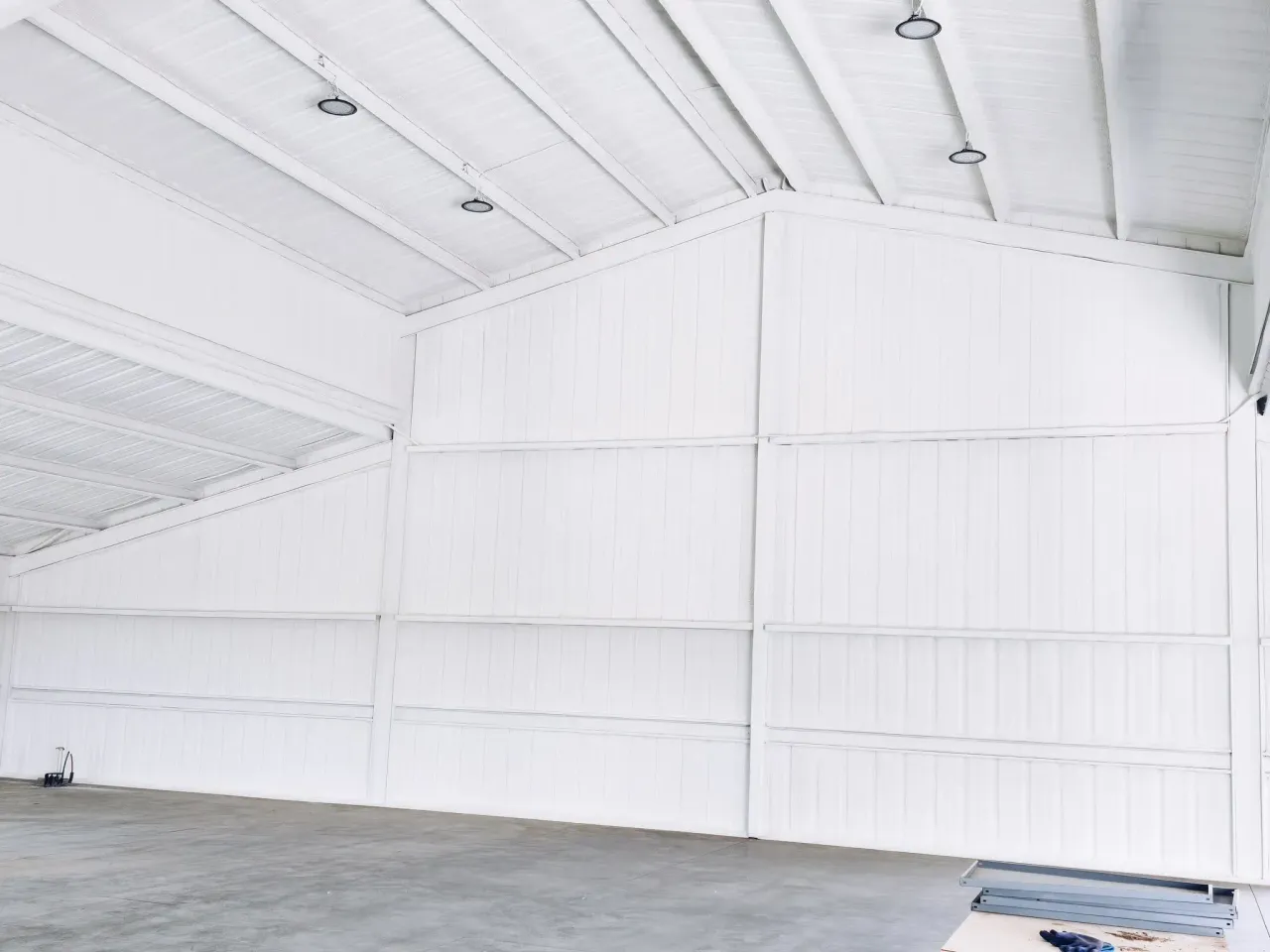
metal building, or
commercial roof, or simply want to reduce your monthly energy bills, we’ve got you covered. Call Duralock Spray Foam at
(806) 685-0609 for a consultation and see how we can improve your home’s comfort and efficiency with top-tier insulation services in Plainview, TX, and beyond!
FAQs
What is the most affordable insulation option?
Fiberglass insulation is generally more affordable than spray foam, making it a popular choice for those on a tighter budget.
Is spray foam insulation safe for my home?
Yes, spray foam insulation is safe when installed correctly by professionals. However, proper ventilation during application is essential.
Can I add spray foam insulation on top of existing fiberglass?
Yes, in some cases, closed-cell spray foam can be added to enhance the insulation, but it’s best to consult a professional.
How long does fiberglass insulation last?
Fiberglass insulation typically lasts 15 to 20 years before it may need to be replaced.
Which insulation is better for noise reduction?
Spray foam offers better soundproofing, as it creates a tighter seal that blocks more noise than fiberglass.