
Why Choose Fiberglass Insulation for Your Home? Here’s Why It’s a Smart Choice!
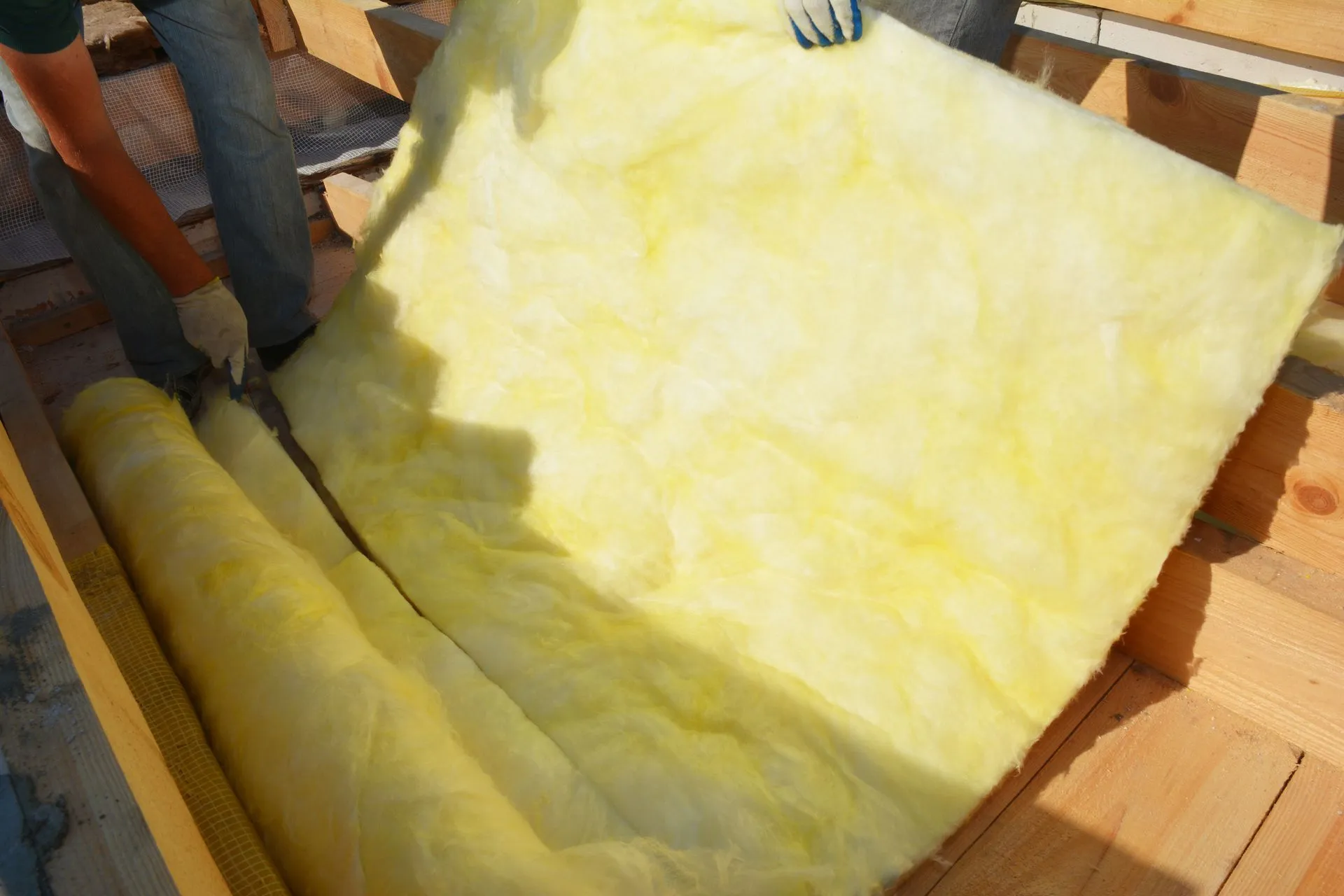
When it comes to keeping your home comfortable year-round and cutting down on energy bills, insulation is the unsung hero behind the scenes. But why fiberglass insulation? Is it really that much better than other options? In this blog post, we’re diving deep into the benefits of fiberglass insulation and exploring why it’s a wise choice for homeowners looking for an efficient, cost-effective solution. Let’s get into the nitty-gritty of what makes fiberglass insulation stand out in today’s market.
What Makes Fiberglass Insulation a Cost-Effective Choice?
One of the first things that come to mind when making any home improvement is cost. Thankfully, fiberglass insulation strikes a great balance between affordability and performance. Here’s why it’s a cost-effective option:
- Low upfront cost: Fiberglass is one of the most affordable insulation materials available. Whether you’re insulating a new build or retrofitting an older home, it won’t break the bank.
- Energy savings: Fiberglass insulation helps reduce energy consumption by minimizing heat transfer. This means your heating and cooling systems won’t have to work as hard, leading to lower energy bills.
- Long-lasting: It doesn’t just save you money now—it’s durable enough to provide benefits for decades with minimal maintenance. Over time, fiberglass insulation’s cost-effectiveness really pays off.
When you invest in fiberglass insulation, you’re essentially investing in long-term energy efficiency. And while it may not be the flashiest home improvement project, it will certainly help save you money and keep your home comfortable all year long.
How Does Fiberglass Insulation Improve Energy Efficiency?
Energy efficiency isn’t just a buzzword—it’s a practical goal that helps homeowners save money while reducing their environmental impact. Fiberglass insulation is designed to create a thermal barrier, minimizing the transfer of heat between the inside of your home and the great outdoors. Here’s how it works:
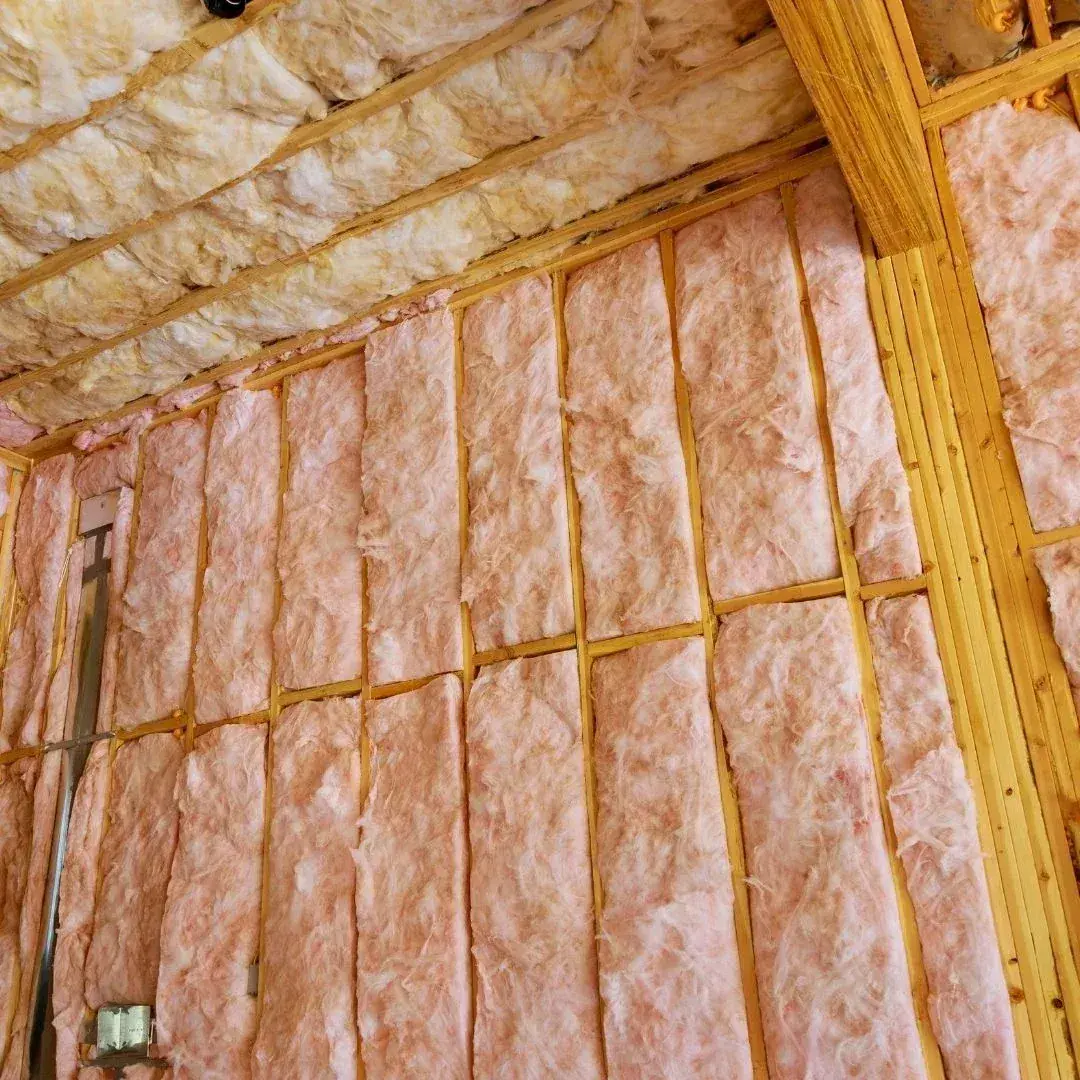
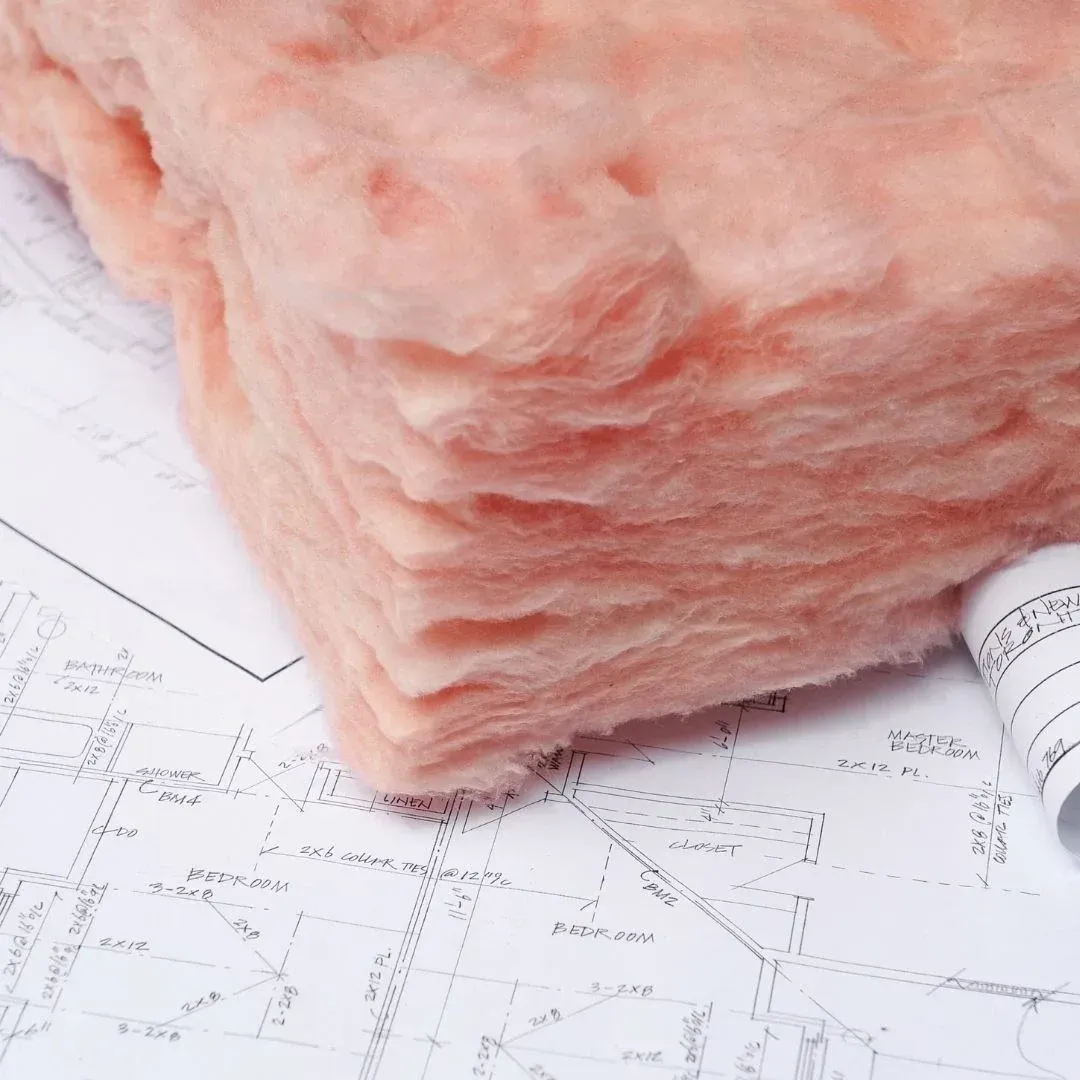
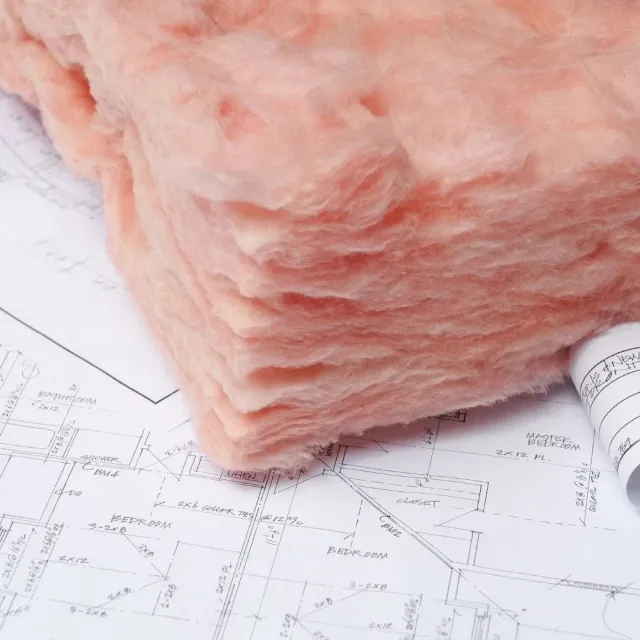
- Traps air: Fiberglass is made from tiny glass fibers that trap air pockets. These pockets reduce the rate of heat transfer, keeping your home warm in the winter and cool in the summer.
- R-Value: The efficiency of insulation is measured by its R-value. Fiberglass offers a high R-value for its cost, meaning it provides excellent thermal resistance relative to its price. The higher the R-value, the better the insulation’s ability to keep heat where you want it.
- Consistent temperature: This insulation type ensures that your HVAC system doesn’t have to work overtime to maintain a steady temperature. The result? Your energy bills go down, and your home feels more comfortable.
Energy efficiency is key when you want to reduce utility costs, and fiberglass insulation is an effective way to achieve that goal without spending a fortune upfront.
Why Fiberglass Insulation is Environmentally Friendly
If you’re environmentally conscious, you might wonder about the sustainability of fiberglass insulation. The good news? It’s an eco-friendly option. Here’s why:
- Recycled materials: Fiberglass insulation is typically made from up to 40% recycled glass. That means fewer raw materials are required, making it a more sustainable option compared to some other insulation materials.
- Reduces energy consumption: By cutting down on the amount of energy your home uses to stay cool or warm, fiberglass insulation lowers your carbon footprint. Over time, this reduction in energy usage has a significant positive impact on the environment.
- Longevity: Because fiberglass insulation lasts for decades, it doesn’t need to be replaced as often. Fewer replacements mean less waste in landfills, which is always a win for the environment.
Choosing fiberglass insulation isn’t just a good decision for your wallet—it’s a smart choice for the planet as well. You can feel confident that your home is insulated with a material that balances performance with sustainability.
The Safety and Health Benefits of Fiberglass Insulation
Homeowners often wonder if fiberglass insulation is safe for their family, and the answer is a resounding yes. Over the years, fiberglass insulation has undergone extensive testing to ensure it’s safe for residential use. Here’s what you need to know:
- Fire-resistant: Fiberglass is non-combustible, meaning it won’t catch fire if exposed to a flame. This fire-resistant property makes it a safe choice for homeowners concerned about fire hazards.
- Mold and moisture resistant: Because fiberglass doesn’t absorb water, it’s resistant to mold growth. This is especially important in areas like attics or basements, where moisture is a common issue. Mold in your home can lead to serious health problems, so having insulation that discourages its growth is a huge plus.
- Low allergen potential: Fiberglass insulation doesn’t contain organic materials, so it won’t attract pests or provide a breeding ground for allergens. If you or your family members suffer from allergies, it’s a healthy choice for maintaining good indoor air quality.
Fiberglass insulation keeps your home safer, healthier, and more comfortable—all while offering long-term protection against fire and moisture.
How to Maximize Comfort and Savings with Fiberglass Insulation
Fiberglass insulation doesn’t just save you money—it also improves the comfort of your living space. Here’s how to get the most out of your insulation:
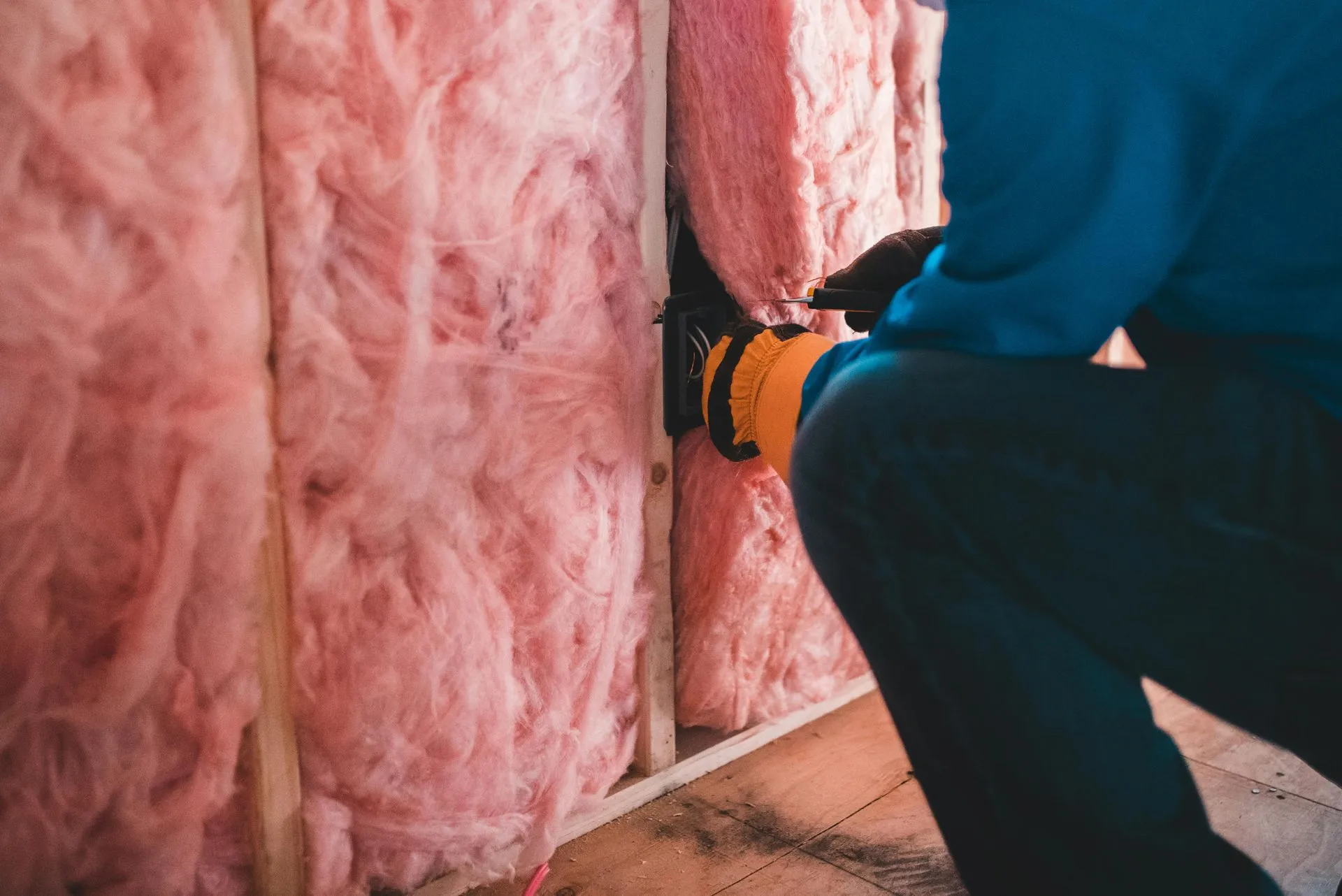
- Seal air leaks: To maximize the benefits of fiberglass insulation, it’s essential to first seal any air leaks in your home. Cracks around doors, windows, and even electrical outlets can allow air to escape, making your insulation work harder.
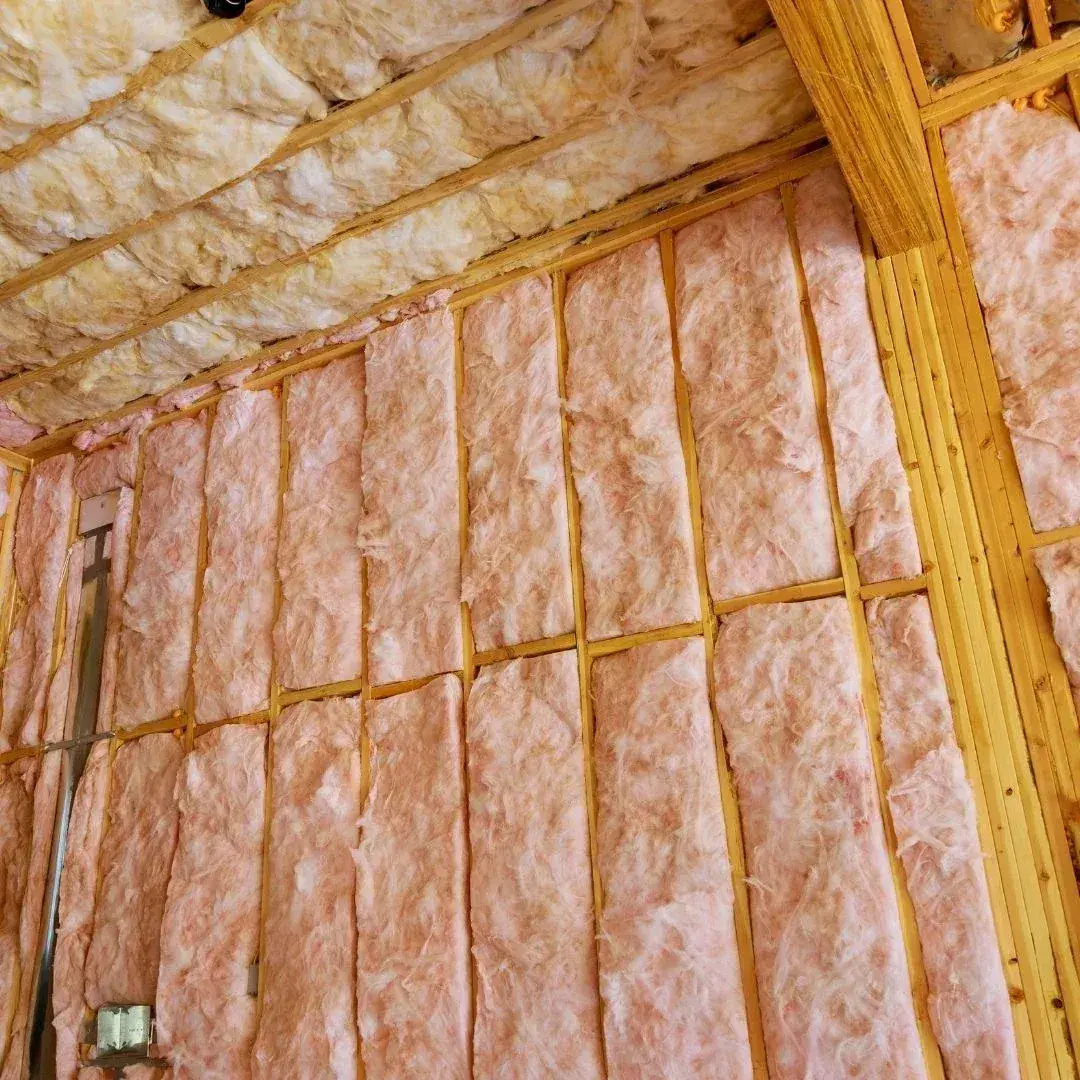
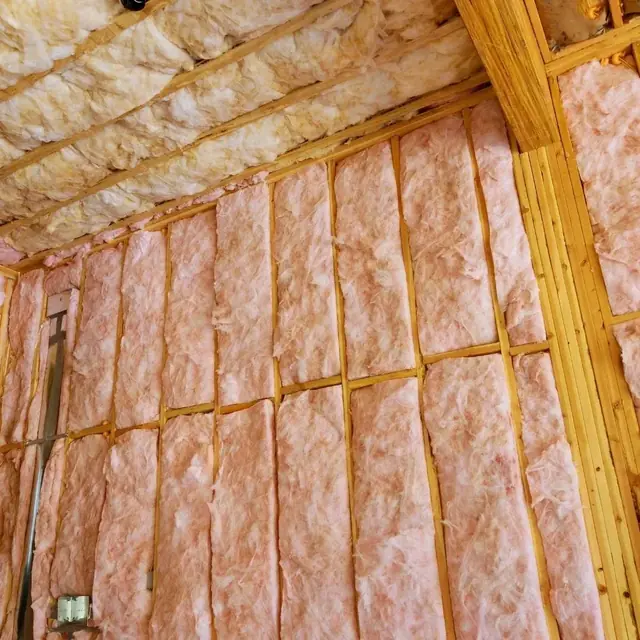
- Install in key areas: Insulating attics, crawl spaces, and walls with fiberglass provides the best return on investment. These areas are the most common sources of heat loss, and properly insulating them can lead to significant energy savings.
- Regular inspections: Although fiberglass insulation is durable, it’s still a good idea to have it inspected periodically, especially after major weather events. This ensures that it remains effective in maintaining your home’s temperature.
Maximizing comfort and savings is easy when you know how to make the most of your fiberglass insulation. The right installation paired with regular maintenance is the key to a cozy and energy-efficient home.
Contact Duralock Spray Foam for Expert Fiberglass Insulation Services in Plainview, TX!
At the end of the day, having well-installed insulation is one of the most important things you can do for your home. That’s where we come in. At Duralock Spray Foam, we’re experts in professional fiberglass insulation and are ready to help you enjoy all of its benefits—from energy savings to increased comfort. Whether you’re looking to install fiberglass insulation in your existing home or need insulation for a new build, we’ve got you covered.
Give us a call at
(806) 685-0609 to schedule a consultation or request more information about our fiberglass insulation services in Plainview, TX, and the surrounding areas. We also offer spray foam insulation for
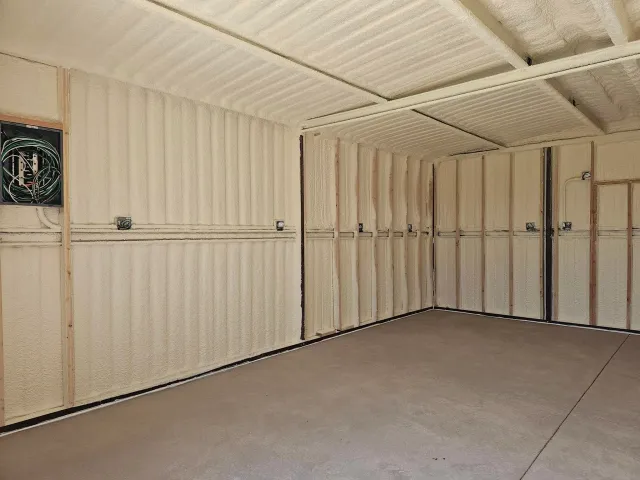
new builds,
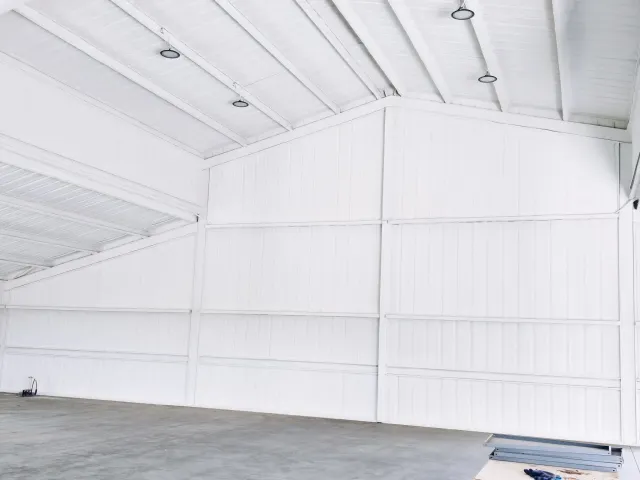
metal buildings,
existing buildings,
commercial roofs, and
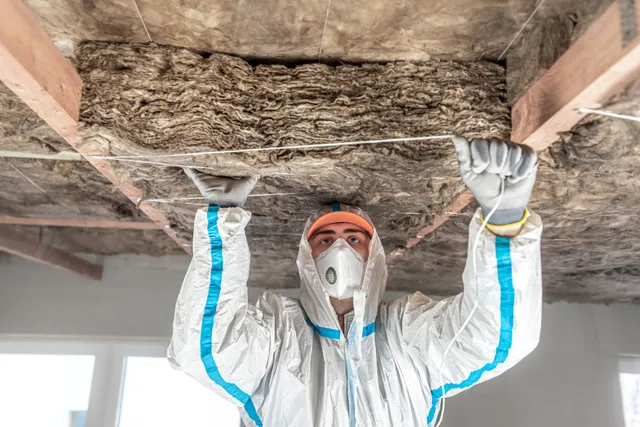
attic insulation removal. Trust Duralock Spray Foam to provide top-notch service that meets your insulation needs.
FAQs
How long does fiberglass insulation last?
Fiberglass insulation can last 50 years or more when properly installed. It’s resistant to aging, so you won’t need to replace it for decades.
Is fiberglass insulation safe to handle?
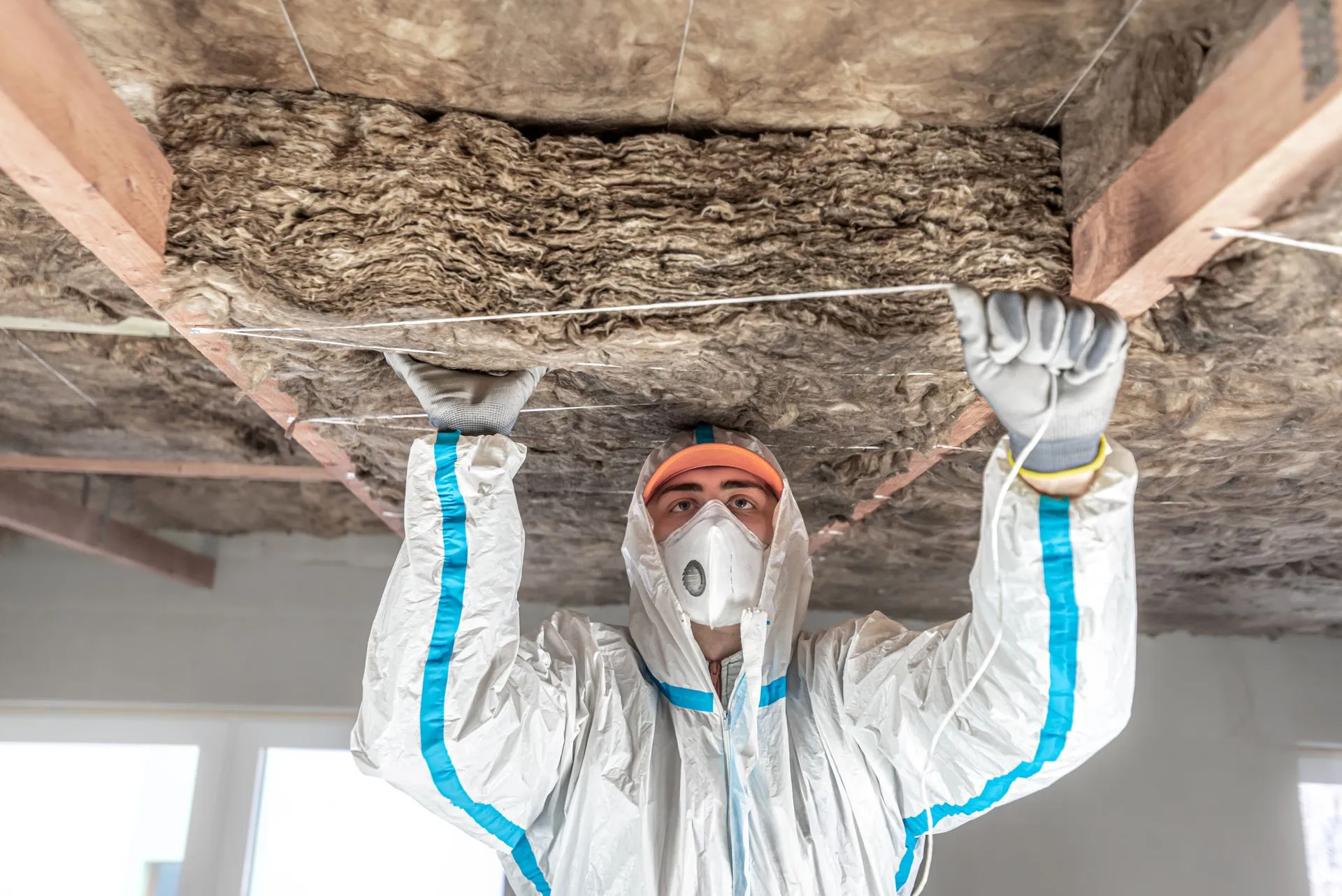
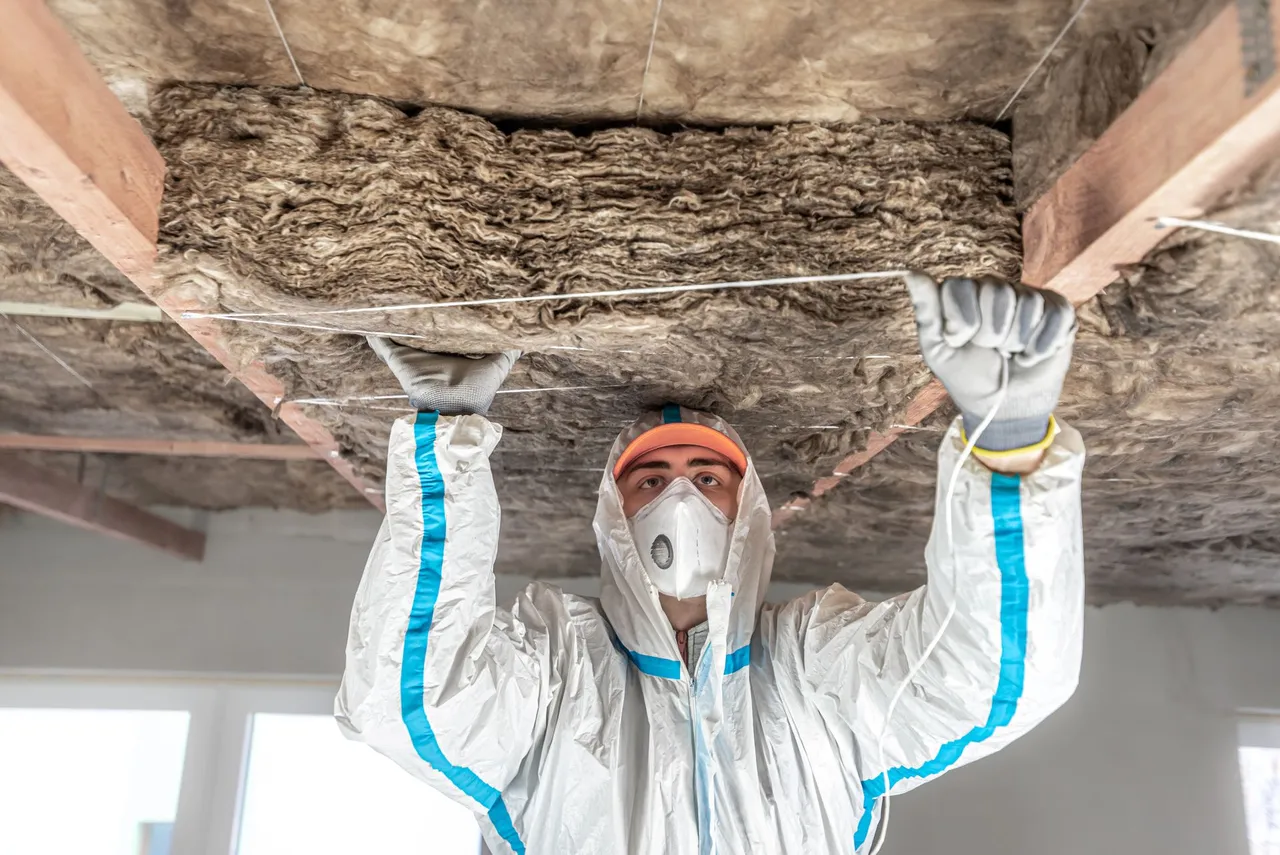
While fiberglass insulation is safe to use in homes, it’s a good idea to wear protective clothing, gloves, and a mask during installation. Tiny glass fibers can irritate the skin and respiratory system if not handled properly.
Can fiberglass insulation help reduce noise?
Yes! Fiberglass insulation acts as a sound barrier, reducing the amount of noise that travels through walls and ceilings. It’s an excellent option for homeowners looking to create a quieter living space.
Can fiberglass insulation be installed in older homes?
Absolutely! Fiberglass insulation is a great way to upgrade the energy efficiency of older homes. It can be installed in attics, walls, and floors to help modernize your home’s insulation.
What’s the difference between batt and blown-in fiberglass insulation?
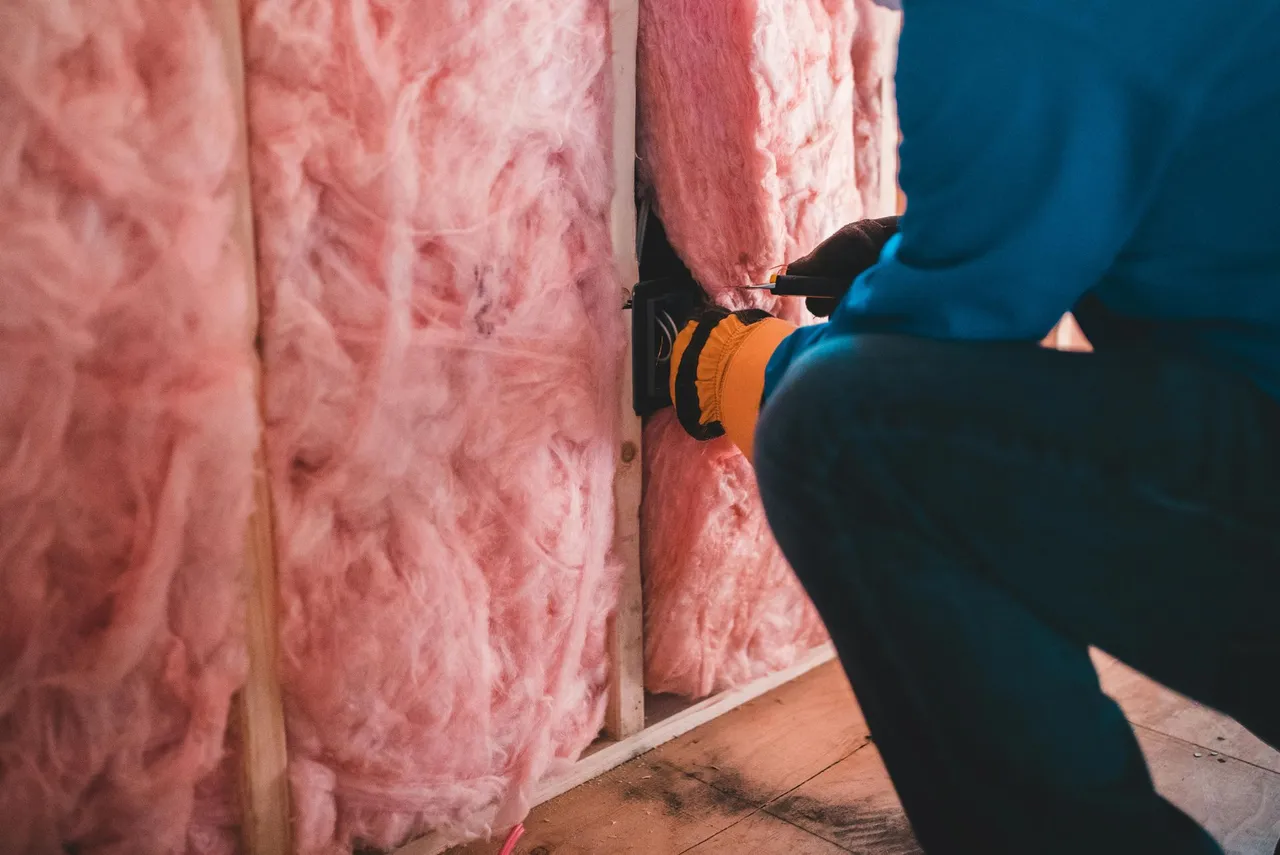
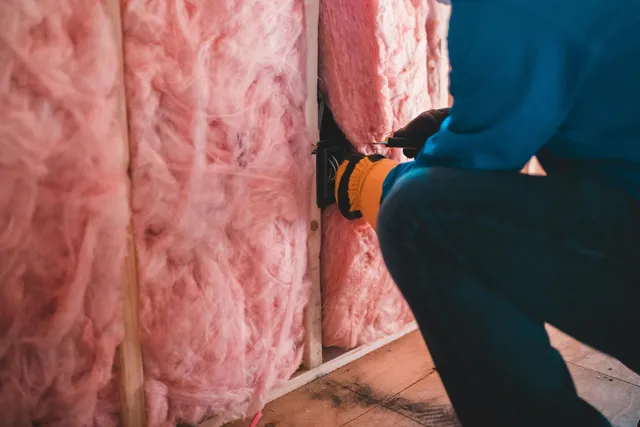
Batt insulation comes in pre-cut sheets and is ideal for areas with standard spacing between studs and joists. Blown-in insulation, on the other hand, is loose-fill insulation that’s blown into spaces, making it perfect for filling irregular areas or adding to existing insulation.